Sultanhanı Caravanserai: Anatolia’s Largest Seljuk Inn
Aksaray's restored Seljuk inn, built under Alaeddin Keykubad, shows how Anatolian trade routes worked.
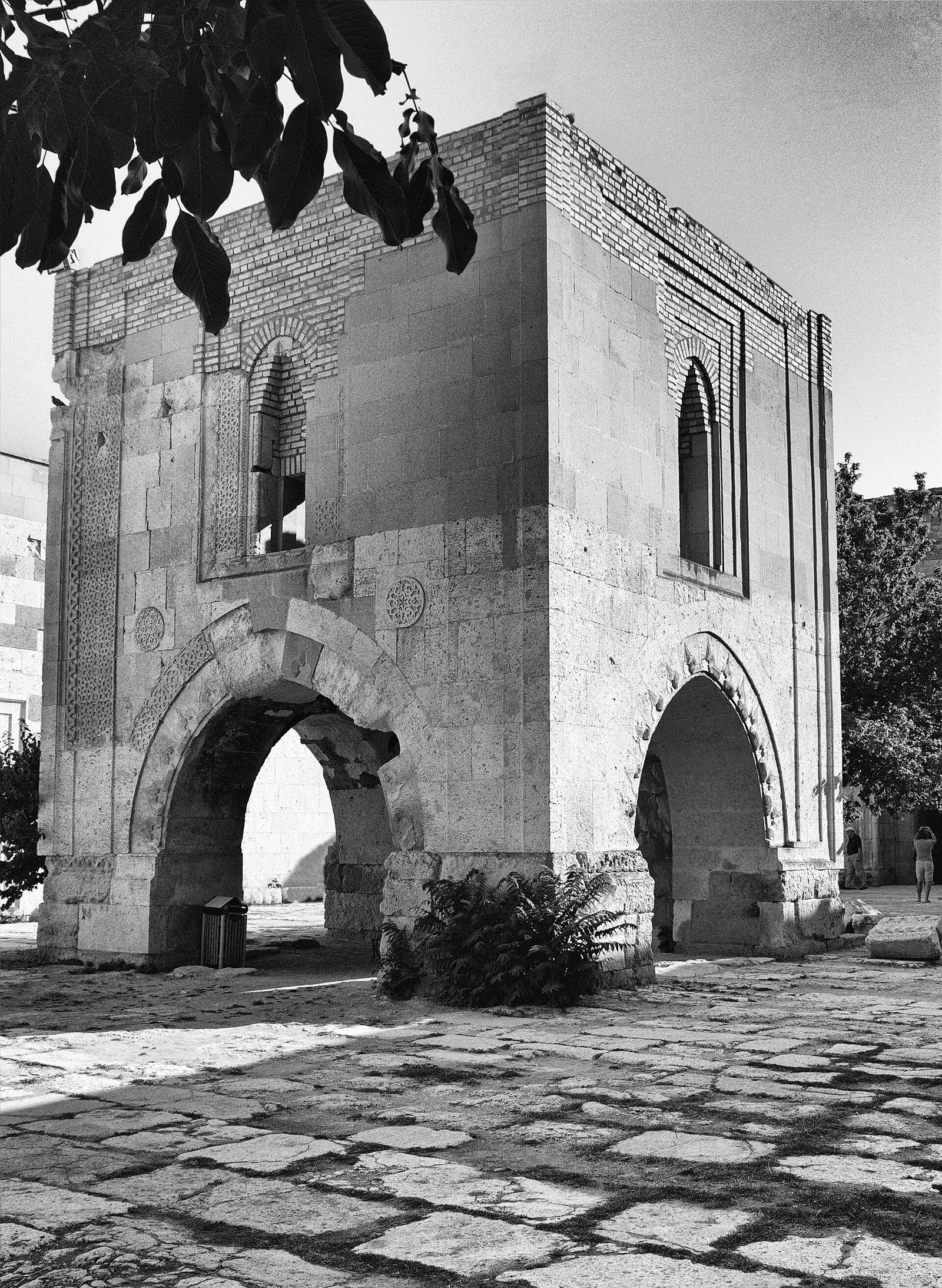
The Sultanhanı Caravanserai in Aksaray, central Türkiye, is drawing Turkish and foreign visitors again after a restoration. Built about 800 years ago under the Anatolian Seljuk sultan I. Alaeddin Keykubad (Kayqubad), it is regarded as the largest caravanserai of the Anatolian Seljuk period.
A caravanserai (kervansaray in Turkish) was a fortified roadside inn. It gave merchants, travellers and their animals a safe place to rest. The Sultanhanı example shows how the Seljuk state turned trade routes into a protected network.
Why the Sultanhanı Caravanserai matters
The building stands in the Sultanhanı district of Aksaray, on the road between Aksaray and Konya. Turkish reports describe it as the biggest of the caravanserais the Seljuks placed along Anatolia’s main trade roads. They were spaced about one day’s journey apart.
That spacing explains the system. A caravan could travel from one secure stop to the next and rarely had to camp in open country. The inns also held goods, so trade moved with less risk.
Local press reports say the restoration followed the building’s original form. The visitors quoted in the source report praise the site, and one tourist said she had learned it was the largest caravanserai in the world. That claim is not supported. The verified claim concerns the Anatolian Seljuk period only.
What historical records say about the building
Heritage references date the original building to 1229, based on inscriptions, in the reign of Alaeddin Keykubad (r. 1220-1237). A fire later damaged the complex. In 1278, under Sultan Kaykhusraw III, a local governor sponsored repairs and an enlargement.
The complex covers roughly 4,900 square metres, though published figures differ slightly. Its marble east portal is about 13 metres high and has carved geometric and muqarnas (stalactite-like) decoration. Inside, an open courtyard is surrounded by vaulted halls and storerooms. A small mosque stands on arches in the middle of the courtyard. A covered hall gave winter shelter.
How Silk Road trade worked in Anatolia
The Silk Road was not a single road. It was a web of routes, and goods often changed hands several times before reaching their destination. Anatolia linked the markets of Persia and the East with the Mediterranean and the Black Sea.
Inns like Sultanhanı supported that exchange with lodging, storage and security. Historical studies treat them as evidence of the Seljuk state’s interest in commerce and the safety of its roads. They also show how the Seljuk state organised its territory.
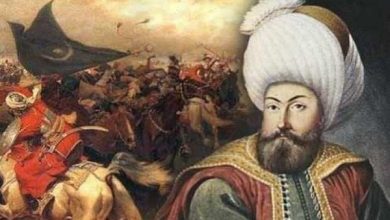
Viewers of Turkish historical drama will recognise this world. Series such as Kuruluş Osman are set in Anatolia as Seljuk authority weakened. The series presents its own dramatised version of that period. Surviving buildings like this one are far firmer evidence of everyday life.
In 2017, Anadolu Agency reported that the building was due for its first restoration in about 60 years. That plan included workshops and a carpet museum. The latest report does not say which of those plans were completed, so readers should check current opening arrangements with local authorities before visiting.
Source: SonDakika, Hürriyet Daily News (Anadolu Agency), Madain Project
Featured image: zolakoma / Wikimedia Commons, CC BY 2.0