Daskyleion Lydian Kitchen Yields 2,600-Year-Old Seeds
Seven ovens and a grain store reveal how Lydians cooked and stored food at Daskyleion.
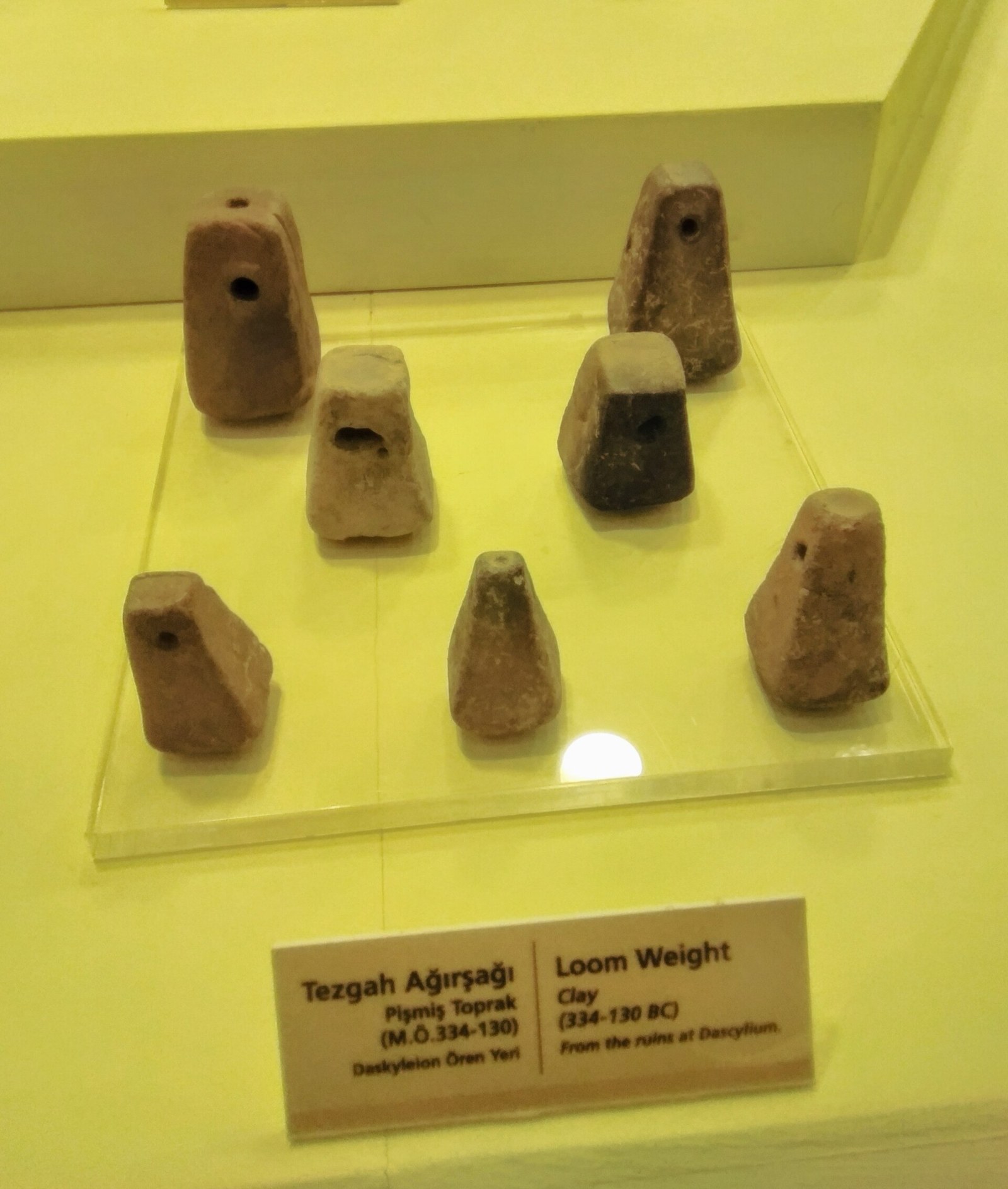
Archaeologists at the ancient city of Daskyleion in Balıkesir, northwestern Türkiye, have recovered carbonized seeds about 2,600 years old from a Lydian oven. The find sheds light on what people cooked, stored and ate in the Lydian kitchen of this Anatolian settlement.
The team says the kitchen area still looks much as it did in daily use. Excavators have now found seven ovens there, including one in the pantry section.
What the Daskyleion excavation found in the oven
Daskyleion lies on the shore of Lake Manyas in Bandırma district, south of the Marmara Sea. Excavations in the Ergili neighborhood began in 1954. Professor Kaan İren of the Archaeology Department at Muğla Sıtkı Koçman University leads the current work.
The season began in July. It had support from the Ministry of Culture and Tourism, the Balıkesir Governorship, Balıkesir Metropolitan Municipality, Manyas Municipality and the university.
The seeds came from the area known as the “Lydian Kitchen”. The team recovered einkorn, gernik (a bearded wheat variety), wheat, six-row barley, broad beans, black vetch, chickpeas, peas, lentils, bitter vetch and grape seeds. Many seeds also turned up in a main rock pit that the team identified as a grain store.
What the kitchen tells us about Lydian daily life
Specialist archaeologist Yeşim Kirman told Anadolu Agency that this year’s season has ended. Inside the oven soil, her team also found fish bones and bird bones alongside the seeds. She said the exact type and date of the seeds are set in a laboratory.
“We find everything that should be in a kitchen as if it were all in its place,” Kirman said. She added that the Lydians ate foods similar to those eaten today.
She also said the Lydians cooked in mudbrick ovens. According to her, the recovered material suggests that upper-class people used this kitchen.
Why carbonized seeds survive for 2,600 years
Organic material usually decays quickly in soil. Kirman explained that seeds can last if they lie in a sealed layer and have been carbonized, meaning partly burned into carbon. That is why wheat, barley, chickpeas and lentils remain recognizable after 26 centuries.
Such remains are valuable because they record real meals, not just the tools used to make them. Pottery and walls show how a building was arranged. Seeds and bones show what people actually ate.
Daskyleion in context
The Lydians were an Iron Age people of western Anatolia, and their kingdom is often linked with the city of Sardis. Daskyleion bears traces of many civilizations that ruled Anatolia, according to the source report. Further analysis of the finds will show how the new ovens fit into the wider picture of the site.
For readers of Turkish historical drama, the discovery is a reminder that everyday life often leaves the clearest evidence. Kitchens, grain stores and ovens record routines that written histories rarely describe. Laboratory dating of the seeds is the next confirmed step.
Source: Türkiye Today
Featured image: Kızıldeniz / Wikimedia Commons, CC BY-SA 4.0