Türkiye and Uzbekistan: Shared Roots Beyond Diplomacy
A Sabah column links Anatolia and Transoxiana through language, culture and a Turkish-Uzbek series.
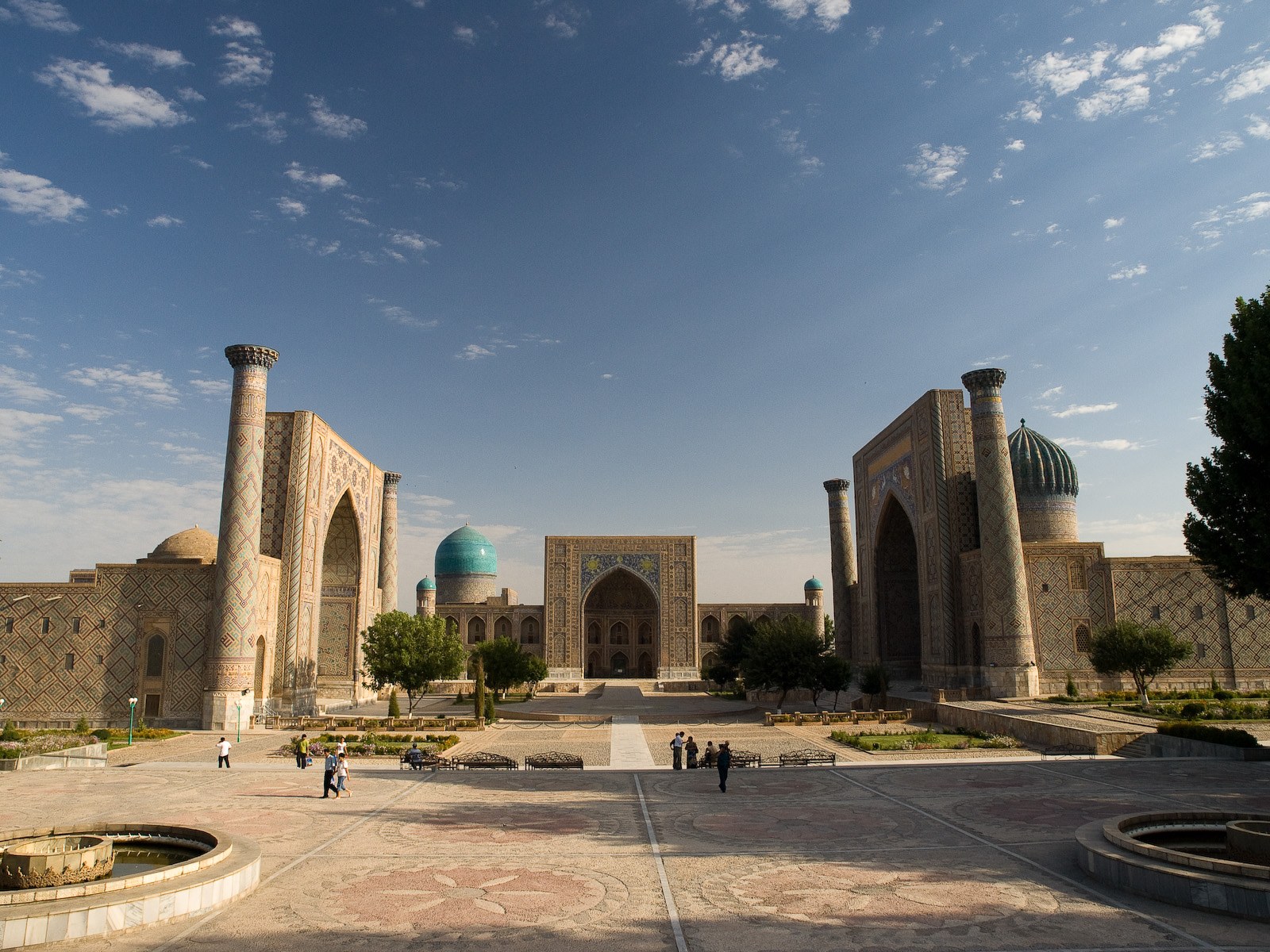
Türkiye and Uzbekistan share a history that reaches from Anatolia to Transoxiana, the region Ottoman and Turkish sources call Maveraünnehir. A recent Sabah column by Ömer Karahan argues that this common memory matters more than diplomacy alone. It points to culture, language and television as places where that memory stays alive.
The column appeared after Saida Mirziyoyeva, head of Uzbekistan’s Presidential Administration, visited Türkiye. Uzbek outlet Daryo reports that she met President Recep Tayyip Erdoğan, toured Ibn Haldun University in Istanbul and visited the Baykar defence company. The two sides also agreed to expand educational cooperation.
Language and alphabet as shared memory
Karahan stresses that an alphabet is more than a set of letters. In his view, a common writing system helps Turkic peoples read each other more easily and pass a shared memory to later generations. He links this to Uzbek efforts to bring the Uzbek alphabet closer to the rest of the Turkic world. This is the columnist’s interpretation, and the article has not independently checked the details of those efforts.
He also mentions cultural exchanges. One example is the Uzbek National Ballet’s staging of “Lazgi” in Istanbul. Lazgi is a traditional dance associated with Uzbekistan’s Khorezm region.
Mendirman Celaleddin brings a medieval hero to the screen
The most relevant example for television viewers is Mendirman Celaleddin, also known as Mendirman Jaloliddin and Bozkır Arslanı Celaleddin. Reports describe it as an Uzbek-Turkish production by Mehmet Bozdağ, the producer behind Diriliş Ertuğrul. It was made with Uzbekistan’s Ministry of Culture and Sports.
The series follows Jalal al-Din Mangburni (Celaleddin Harezmşah), the last ruler of the Khwarazmian Empire. Emre Kıvılcım plays the title role. According to Wikipedia, the drama ran for 30 episodes over two seasons on Uzbek television, from 2021 to 2023.
Filming took place in both countries. Turkish reports name Aksaray, Nevşehir and Kayseri as Turkish locations, and the production also shot in Uzbekistan.
Separating history from the screen
Historically, Jalal al-Din is remembered for resisting the Mongol invasion of Central Asia in the 13th century. A television drama, however, compresses events and invents scenes and dialogue. Viewers should treat the series as a dramatised portrayal and not as a historical record.
The connection also runs through other well-known stories. The Seljuk Turks, the subject of series such as Alparslan: Büyük Selçuklu, also trace their origins to Central Asia. You can find that series here if you want to see how Turkish television portrays that era.
Karahan ends by saying that the real test of friendship is how close peoples feel to each other. He also notes that Uzbekistan was among the countries that sent aid to Türkiye after the 6 February 2023 earthquakes.
Source: Sabah, Daryo
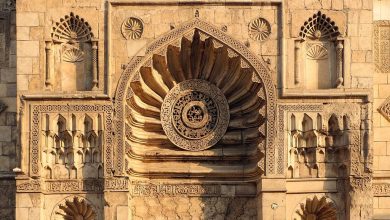
Featured image: Gustavo Jeronimo from Aranjuez, Spain / Wikimedia Commons, CC BY 2.0