Anabasis Northern Route Links Erzurum to the Black Sea
A new TGA route links Erzurum, Bayburt, Gümüşhane and Trabzon along Xenophon's ancient retreat.
A new tourism trail called the Anabasis Northern Route now connects Erzurum, Bayburt and Gümüşhane with the Black Sea city of Trabzon. It follows the story of about 10,000 Greek mercenaries who retreated through Anatolia in 401 B.C. For history-minded travellers, it offers a chance to see Roman, Byzantine, Seljuk and Ottoman traces along one corridor.
According to Türkiye Today, the itinerary is the third stage of the “Route of Ancient Cities” project, developed by the Turkish Tourism Promotion and Development Agency (TGA). It draws on the writings of Xenophon, the ancient Greek commander and historian.
What the Anabasis Northern Route Follows
The name comes from Xenophon’s Anabasis, an account of the soldiers’ journey after Cyrus the Younger was killed at the Battle of Cunaxa in 401 B.C. Their leader and commanders were gone, so the men made their way through Mesopotamia and Anatolia to the Black Sea. Xenophon also noted the geography and communities they met.
The modern route does not claim to retrace every step. Instead, it uses that ancient narrative as a frame for sites of many periods, from archaeological remains to medieval fortresses and mountain scenery.
Stops in Erzurum, Bayburt and Gümüşhane
In Erzurum, the list includes the Narman Fairy Chimneys (rock formations shaped by nature), Oltu, the Rainbow Hills, Enguzek Castle, Pirinkayalar Observation Terrace and Osvank Monastery.
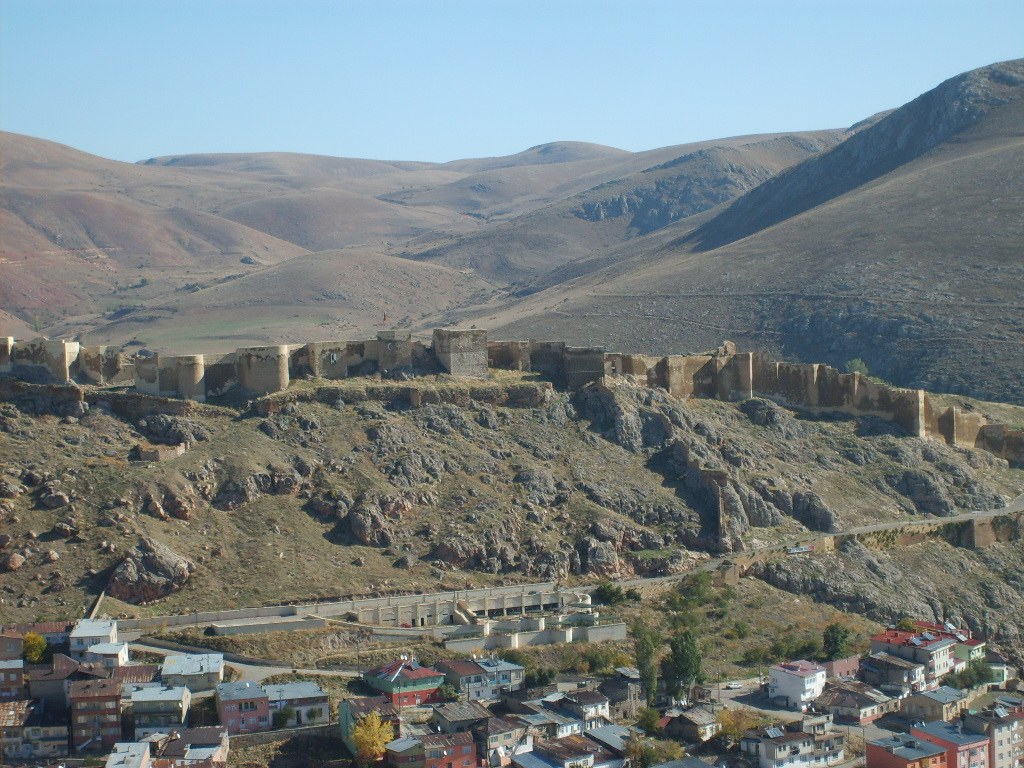
Bayburt adds Bayburt Castle, the Ulu Mosque (Grand Mosque) and Aydintepe Underground City. The castle overlooks the Çoruh River and historically helped guard routes between eastern Anatolia and the Black Sea. It was repaired in the Byzantine period and later strengthened under Turkish dynasties and the Ottomans. The Ulu Mosque reflects Seljuk religious architecture. Despite heavy restoration, parts of its minaret and decoration survive.
In Gümüşhane, visitors pass through the ancient city of Satala, the Santa ruins and Süleymaniye, also called Old Gümüşhane. Süleymaniye grew into a mining and trading centre thanks to its silver and its place on the Silk Road. Its mosques, churches, baths, bridges and schools recall a time when Turkish, Greek and Armenian communities lived side by side.
The Santa ruins, near Dumanlı village, hold more than 300 stone houses, churches and other buildings. The settlement was largely abandoned after the 1923 population exchange and is now protected as an archaeological and natural site.
Trabzon Ends the Journey
The route finishes in Trabzon with Çal Cave, Canik Dere Waterfall, the Girls’ Monastery and examples of traditional Black Sea architecture. Other stops include the cable car between the Beşikdüzü coast and Beşikdağı, and Atatürk Mansion, where Mustafa Kemal Atatürk stayed during visits to the city.
Hürriyet Daily News has also reported on the route, describing Satala as a Roman legionary base with surviving walls, baths and aqueducts. Readers who plan a trip should check local access and seasonal conditions, since the sources do not give opening details or a start date for organised tours.
Source: Türkiye Today, Hürriyet Daily News
Featured image: Serguzesht / Wikimedia Commons, CC BY-SA 3.0