Istanbul Time Machine Rebuilds Ottoman Streets in 3D With AI
Marmara University uses AI and old newspapers to model Ottoman Eminönü and its daily life.
Researchers at Marmara University are using artificial intelligence to rebuild Ottoman-era Istanbul in 3D. The Istanbul Time Machine project links old newspapers, maps and archival records to a digital city model. Its aim is to show not only how the city looked, but what happened on its streets.
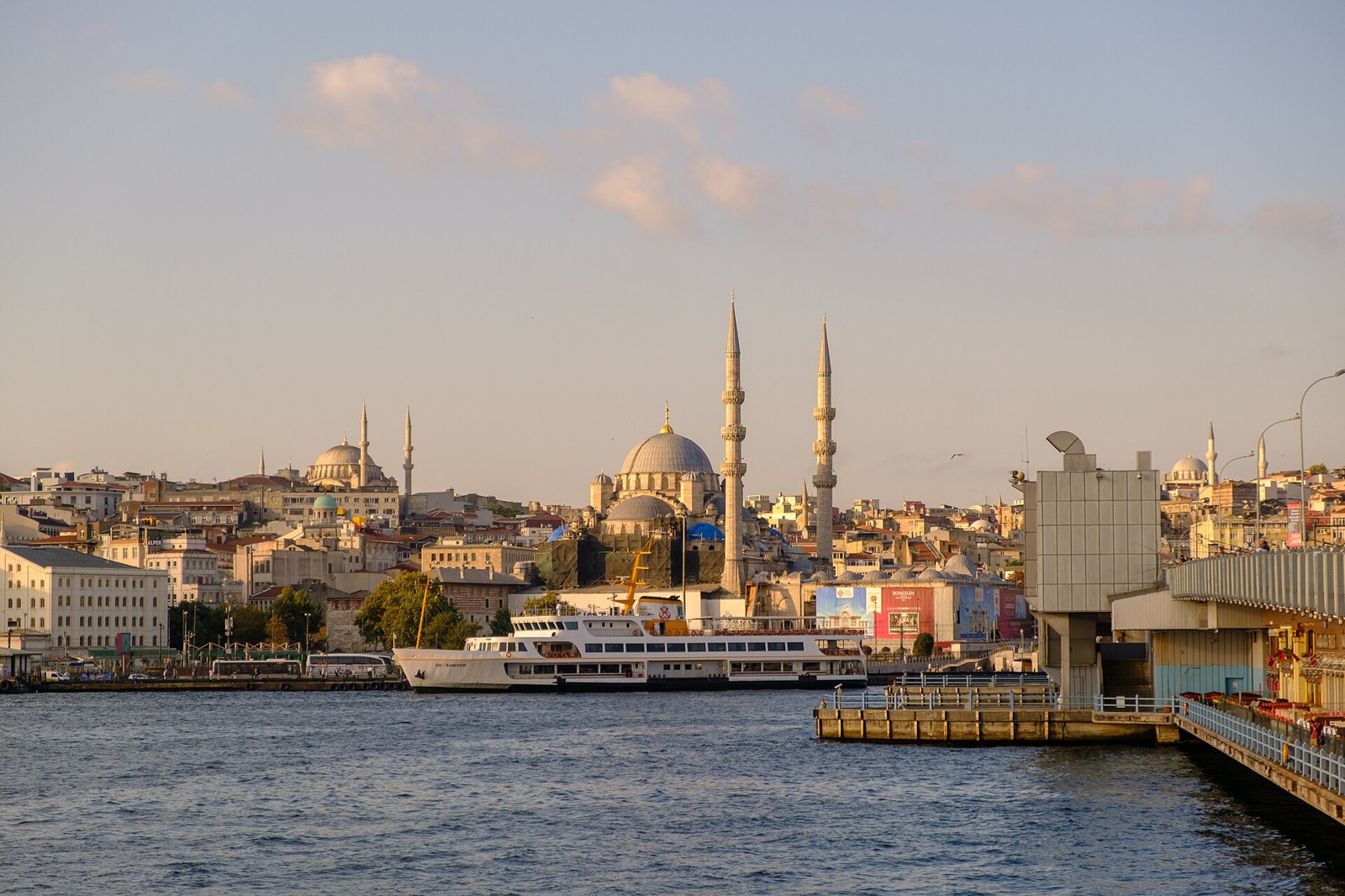
The work comes from the university’s Humanities DataLab, according to Türkiye Today. The team began with Eminönü, a busy commercial and transport district on the European side of Istanbul. Newspapers of the period mentioned it often.
How the Istanbul Time Machine uses newspapers and AI
Türkiye Today reports that the research covers 1880 to 1940. It draws on papers such as Ikdam, Sabah, Tanin and Tercüman-ı Hakikat. The project page on the Time Machine network website lists a narrower range, 1880 to 1920, and a timeline of 2025 to 2028. The two sources do not match, so the final scope may differ.
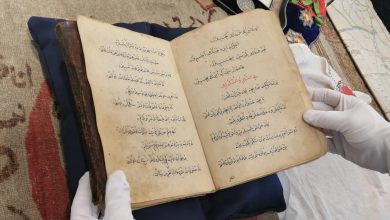
The papers were printed in Ottoman Turkish, which used an Arabic-based script. Turning hundreds of thousands of pages into searchable text is a major task. The team built its own text recognition tool, which it says reads printed Ottoman Turkish with about 93% accuracy. That figure comes from the researchers and was not independently tested.
Further AI methods then pick out people, places, buildings and events. These details are tied to specific locations in the 3D model. The team is also working on models for harder handwriting styles, including rika and nesih, and hopes to share the technology with other scholars.
Everyday life in Ottoman Istanbul, street by street
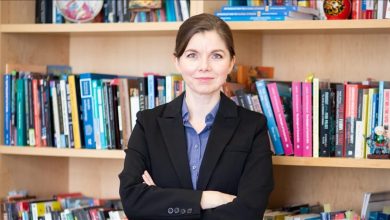
Fatma Aladağ of Marmara University’s Institute of Population and Social Research told Anadolu Agency that most 3D urban history asks what a city looked like. The team wants to add a second question: what was happening there.
The newspapers hold small, human details. One 1919 advertisement came from an English teacher from London who offered lessons on Yüksek Kaldırım Street in Galata. The teacher promised students would speak English after 30 lessons, for 30 kuruş. The kuruş was a small Ottoman currency unit.
Other reports describe phonographs, early sound-playing machines, being played for paying customers in coffeehouses. One account tells of a fight near Galata after a street vendor tossed a simit, the sesame-covered bread ring, into the air. Aladağ said such records show ordinary life that broad histories often miss.
What is finished and what comes next
The project is still in development. Users are expected, eventually, to walk up to buildings in the virtual city and open the historical information linked to them. The model relies on period photographs, written records and academic research, and the team plans to add more areas as newspapers are processed.
The researchers are also working on virtual reality and game-style learning tools for students and visitors. Aladağ said the infrastructure could serve museums, municipalities, the Ministry of Culture and Tourism and other heritage bodies. The team hopes to apply the method to other cities later.
For viewers of Ottoman-era dramas, this kind of research offers a record-based picture of daily life. Newspaper reports are still accounts from their time, not a full picture. Still, they can help separate documented street life from screen dramatization.
Source: Türkiye Today, Time Machine Organisation
Featured image: Tarikkaanmuslu / Wikimedia Commons, CC BY-SA 4.0