Is Kuruluş: Osman Historically Accurate? What the Series Gets Right and Wrong
Is it accurate? Series vs real history, part 1
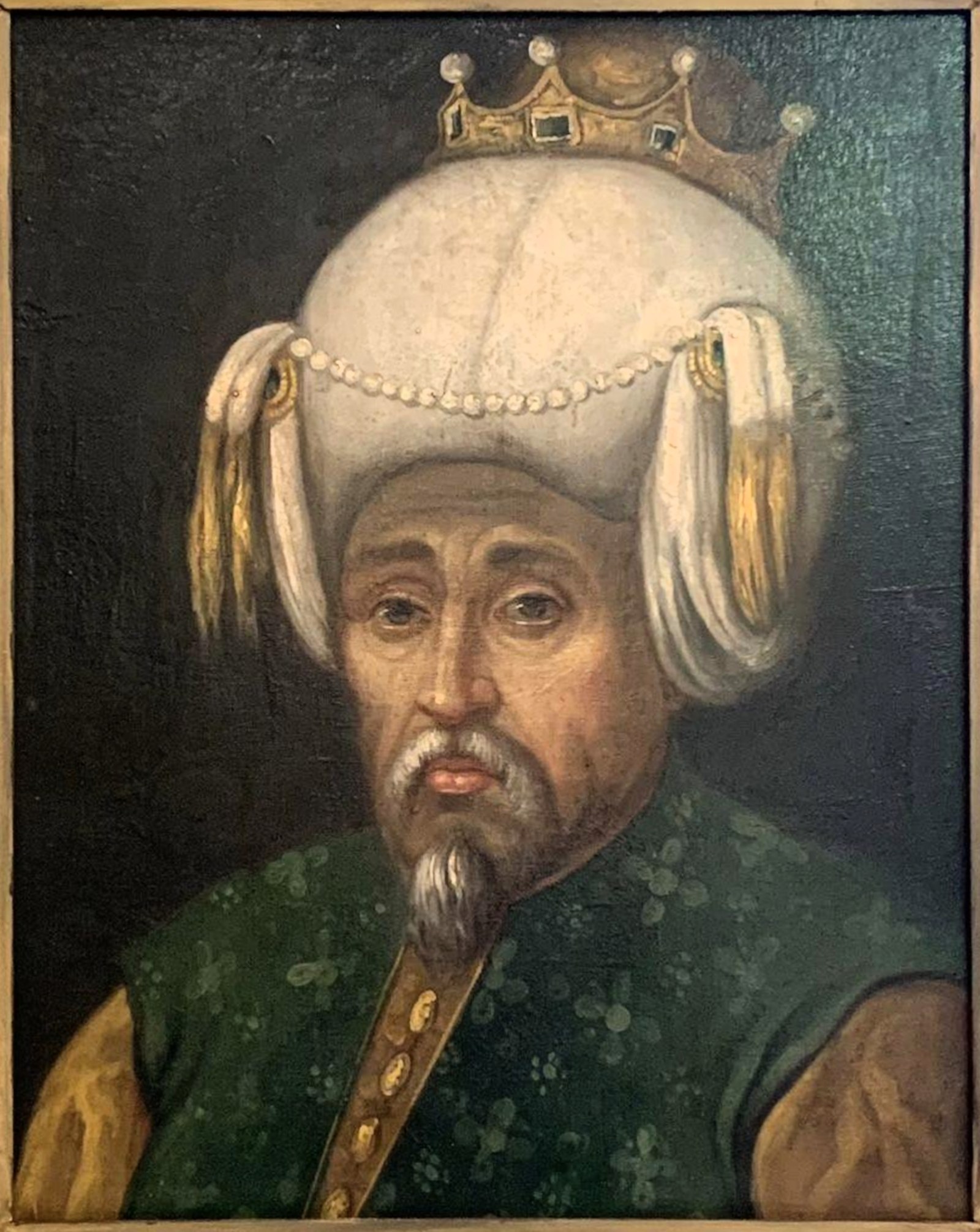
It is one of the questions fans ask most often after watching Kuruluş: Osman: how much of this really happened? The short answer is that the big outline is historical, while most of the day to day story is invented. Osman Gazi was a real ruler, many of the people around him were real, and several key events in the series did take place. But the dialogue, the romances, most of the villains and many of the battles are drama written to fill gaps that history leaves empty.
Watch the latest episode with English subtitles on OsmanOnline.live
▶ Kuruluş Osman Episode 194 With English Subtitles · All Kuruluş Osman episodes
This article is the first in our series Is it accurate?, where we compare the Turkish historical series you watch with what the sources actually say.
Why so little is known about the real Osman
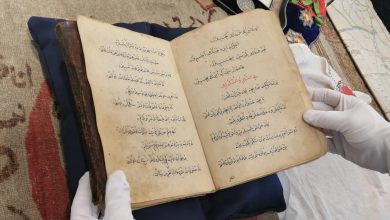
The biggest surprise for many viewers is how thin the evidence is. Not a single written source survives from Osman’s own reign. The Ottoman chronicles that tell his story were written more than a century after his death, in the 1400s: the history of Aşıkpaşazade (completed around 1484), the chronicle of Oruç Bey and the longer work of Neşri. Aşıkpaşazade was himself a dervish, and these Muslim chroniclers wrote down the traditions that circulated in the Ottoman lands of their time.
The chronicles often disagree with each other. The historian Colin Imber went so far as to call this period a “black hole”, and Cemal Kafadar has compared Osman’s place in Ottoman memory to that of Romulus for the Romans: a founder whose life became a story about the state he founded.
What Kuruluş: Osman gets right
Osman, son of Ertuğrul. The series is right that Osman was the son of Ertuğrul Gazi and that his family’s base was Söğüt, on the frontier between the Seljuk lands and the Byzantine province of Bithynia. His exact birth year is unknown.
Sheikh Edebali and the dream. Sheikh Edebali is a real historical figure, and the famous dream, in which a moon rises from Edebali’s chest and enters Osman’s, while a great tree grows from Osman and spreads over the world, is told in the chronicles of Aşıkpaşazade and others. Historians read it as a foundation legend of the dynasty rather than as a documented event, but it is not an invention of the screenwriters.
The Battle of Bapheus. Osman’s victory over a Byzantine army near Nicomedia is the first event of his life that can be dated from outside sources. The Byzantine historian George Pachymeres describes it, and it is usually dated to 27 July 1302 (some historians argue for 1299). After this battle the Byzantines effectively lost control of the Bithynian countryside.
Köse Mihal. The Byzantine commander who became Osman’s ally and later embraced Islam is also historical. His descendants, the Mihaloğlu family, became one of the great frontier dynasties of the Ottoman state.
The companions. Names such as Turgut Alp, Konur Alp, Akçakoca, Abdurrahman Gazi and Samsa Çavuş come from the tradition of Osman’s early warriors. Some of them are still remembered in place names: the town of Konuralp and the district of Akçakoca in Düzce, and the village of Turgutalp near İnegöl, where Turgut Alp’s tomb stands. What the series invents is most of what they say and do on screen.
What the series changes or invents
Osman’s wives. This is the most confusing point for viewers. The chronicles do not agree. Oruç Bey calls Edebali’s daughter Rabia, while Aşıkpaşazade and Neşri use the name Mal or Malhun Hatun. Later tradition, which the series follows, separates two wives: Rabia Bala Hatun, Edebali’s daughter and mother of Alaeddin, and Malhun Hatun, daughter of Ömer Bey and mother of Orhan. Bala Hatun is believed to have died in 1324 and is buried beside her father in Bilecik. The love story, the rivalry and most of the dialogue between them are fiction.
Dündar Bey. The scene in which Osman kills his uncle Dündar is one of the most debated in the series. The story first appears in Neşri, written long after the events, and many historians doubt it ever happened.
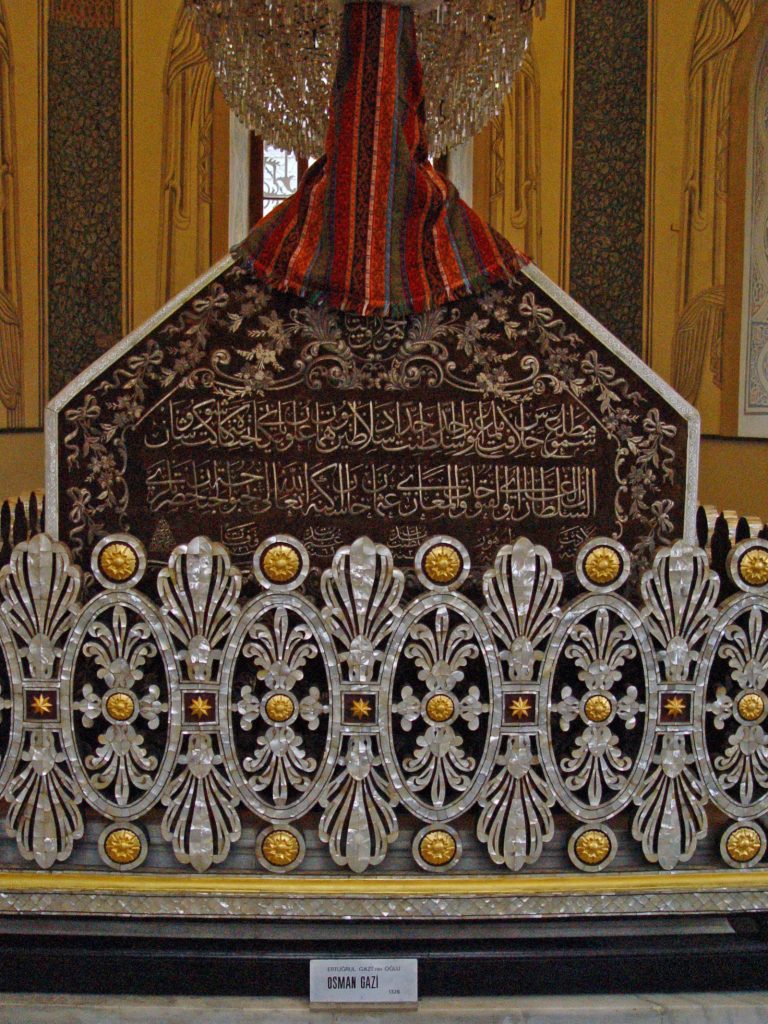
Bursa. The series builds toward the conquest of Bursa, but the city surrendered on 6 April 1326, after a long siege, to Osman’s son Orhan. Osman probably died around 1323 or 1324, before the city fell. He was later buried in Bursa, where his tomb can still be visited.
Villains and plots. Most of the Byzantine lords, Mongol commanders, traitors and spies that drive each season are invented or heavily dramatized. The background is real: the Seljuk Sultanate of Rum was collapsing and the Mongol Ilkhanate dominated Anatolia, which gave frontier leaders like Osman room to act. But the specific intrigues are the work of the writers, and timelines are compressed so that decades of slow growth fit into a television story.
So should you trust it?
Watch Kuruluş: Osman as what it is: historical drama, not a documentary. It takes a small set of real people, events and legends and builds a long story around them, in the same way that its prequel Diriliş: Ertuğrul did for Osman’s father. The spirit of the frontier, the importance of the sheikhs and the steady growth of a small beylik into a state are close to what historians describe. The details are, for the most part, imagined.
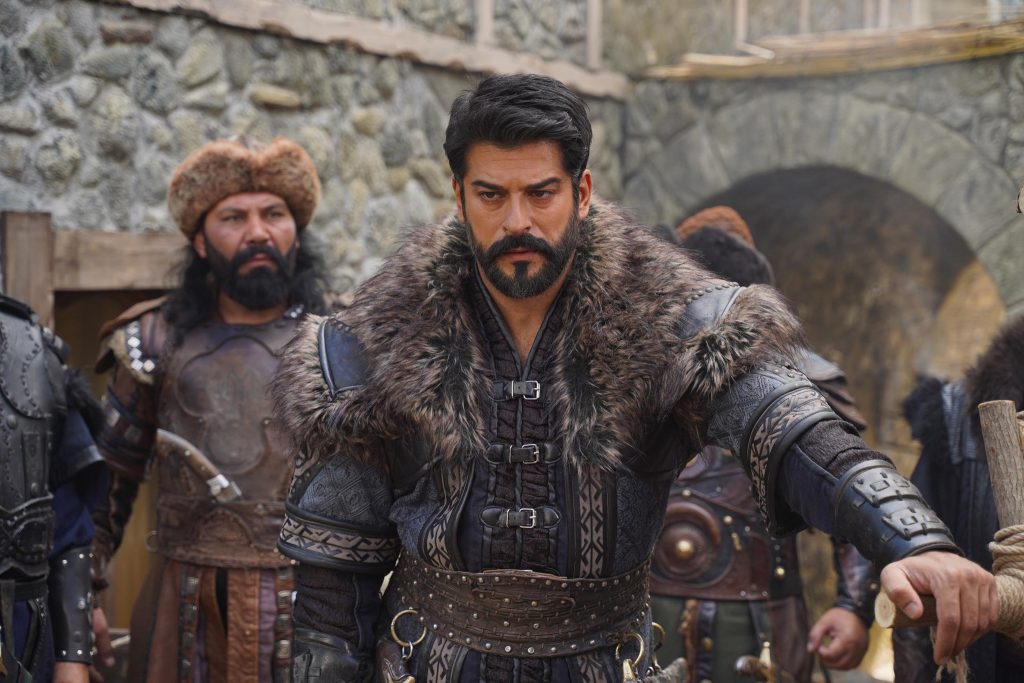
You can watch every episode of Kuruluş: Osman with English subtitles on OsmanOnline.live, and continue the story with Kuruluş: Orhan, which follows Osman’s son. In the next parts of Is it accurate? we will look at more series and characters, from Mehmed: Fetihler Sultanı to Diriliş: Ertuğrul.
Source: Wikipedia: Osman I, Wikipedia: Battle of Bapheus, Wikipedia: Rabia Bala Hatun
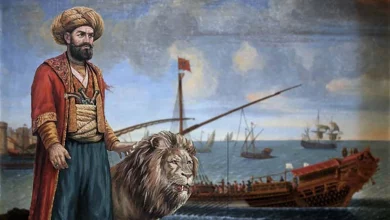
Featured image: Imaginary portrait of Sultan Osman I, 18th century, Public domain / Wikimedia Commons