Is Diriliş: Ertuğrul Historically Accurate? What We Really Know About Ertuğrul Gazi
Is it accurate? Series vs real history
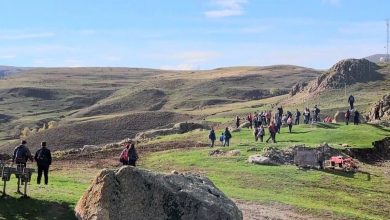
150 episodes, five seasons, and almost no written proof. The real Ertuğrul Gazi, father of the founder of the Ottoman dynasty, is one of the most poorly documented figures behind any great dynasty, so how much of the series is true?
Watch the latest episode with English subtitles on OsmanOnline.live
▶ Dirilis Ertugrul Season 5 Episode 31 With English Subtitles · All Diriliş: Ertuğrul episodes
Short answer: the skeleton is real. Ertuğrul was a Kayı Turkic leader in western Anatolia and the father of Osman, who gave his name to the Ottoman dynasty. Most of the plots, villains and romances are drama.
Why is so little known about Ertuğrul?
The problem is the sources. Contemporary Byzantine and Islamic writers do not mention Ertuğrul at all. Almost everything comes from Ottoman chronicles written more than a century later, from the early 15th century onward, and these mix history with legend.
Two of the best known chroniclers are Aşıkpaşazade (who wrote around 1485) and Neşri. They were writing for an established dynasty that wanted a glorious origin story. That does not make them worthless, but it means we must read them as tradition, not as eyewitness reports.
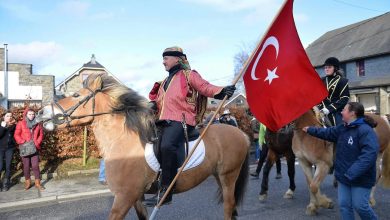
This is why the series, created and produced by Mehmet Bozdağ (Tekden Film) and first aired on TRT 1 on 10 December 2014, could build so much freely. The writers had a few names and a few places. They filled in the rest.
What the series gets right
Some core points are supported by the chronicles and by modern scholarship:
- Ertuğrul belonged to the Kayı branch of the Oghuz Turks.
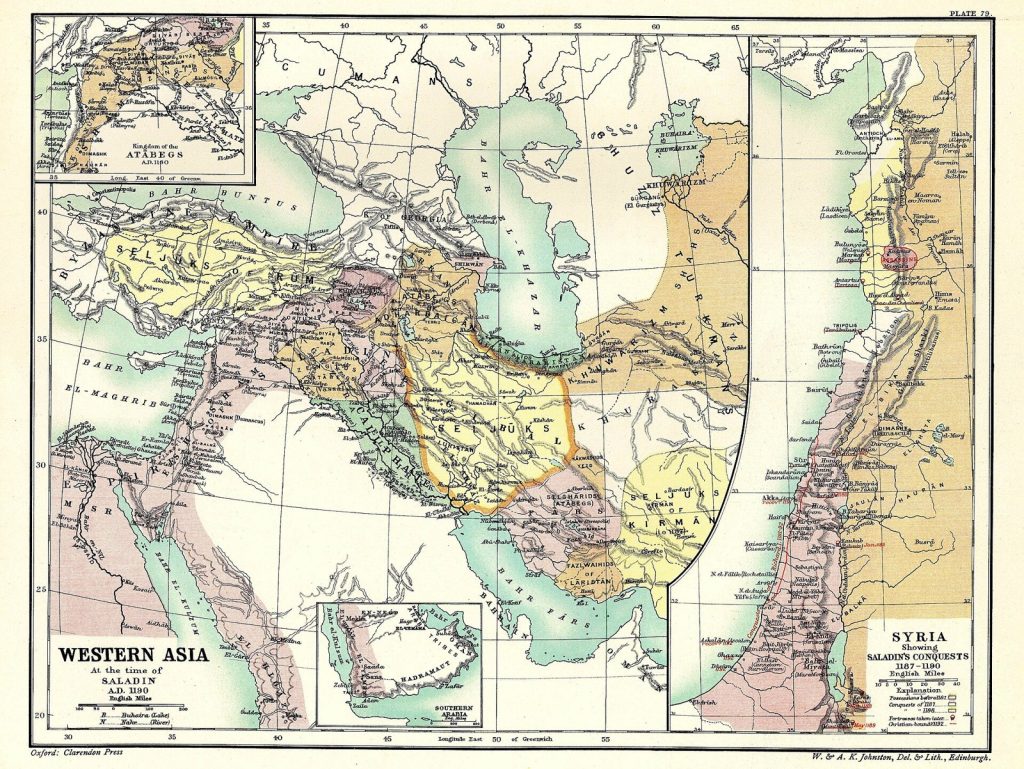
- His people migrated west into Anatolia under pressure from the Mongol invasions.
- He became a frontier leader under the Seljuk Sultanate of Rum. According to the traditional account, he helped the Seljuk army in a battle near Sivas and was rewarded with land near Karacadağ, then Eskişehir and Söğüt. The Sivas episode appears only in Neşri, and some historians link it to the Battle of Yassıçimen in 1230, so it is treated cautiously.
- Söğüt became the base of the future Ottoman principality. He wintered there and spent summers in the Domaniç highlands.
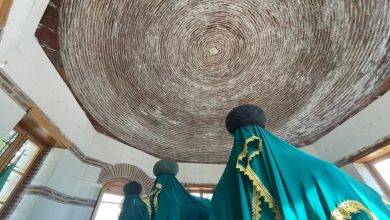
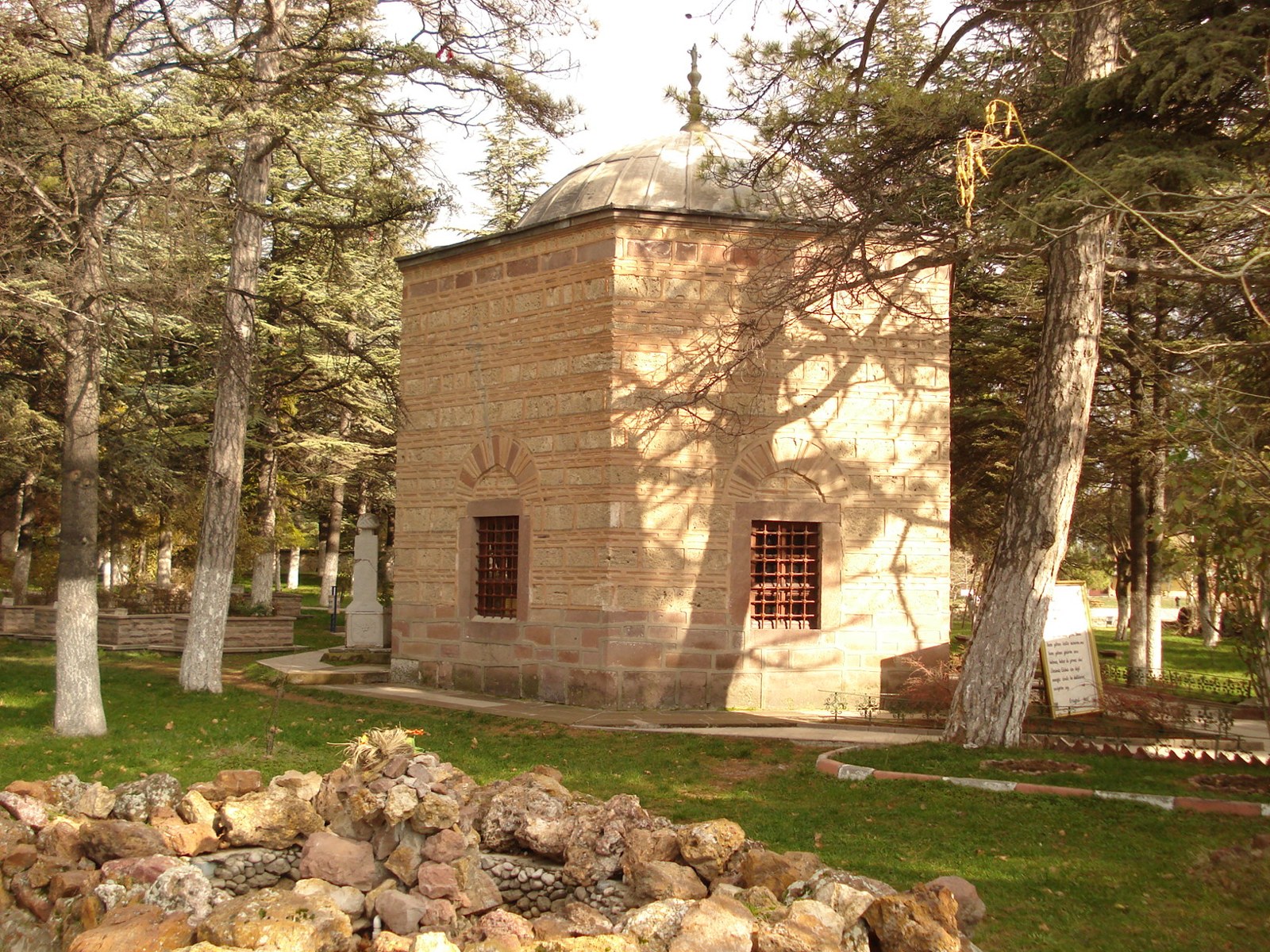
- He handed leadership to his son Osman in old age. His tomb stands about one kilometre east of Söğüt and is still visited.
The series also gets the atmosphere of a tribal frontier broadly right: shifting loyalties between Seljuks, Mongols, Byzantines and Crusader orders, and the importance of the horse, the tent and the clan.
The father: Suleyman Shah or Gündüz Alp?
In the series, Ertuğrul’s father is Suleyman Shah, who drowns in the Euphrates. This follows the version found in Oruç, Aşıkpaşazade and Neşri. Many people in Turkey accept it, and a tomb in Syria is linked to him.
But earlier writers name Gündüz Alp as the father. A coin attributed to Osman is read by some scholars as naming him as son of Ertuğrul, son of Gündüz Alp. Others dispute the reading of the inscription and see only the name of Ertuğrul. Halil İnalcık suggested the later writers confused Suleyman Shah with an earlier ancestor, Mir Süleymân Alp.
So this is a real scholarly disagreement. The Suleyman Shah story is a tradition, not a proven fact, and many modern references prefer Gündüz Alp. The drowning scene and the Syrian tomb belong to legend. One report also suggests the Syrian tomb may belong to a different Suleyman Shah from the Seljuk family.
What the series invents or changes
Here the drama takes over. These elements have no support in the early sources:
- Halime Sultan as a Seljuk princess and Ertuğrul’s great love. Evidence for her name and background is scarce, and the encyclopedia entries on Ertuğrul do not discuss a wife.
- The Templar conspiracies, the villain network of Sadettin Köpek’s intrigues in this form, and the personal rivalries with Tekfurs and Mongol commanders. Real figures may appear, but their plots are written for television.
- The timeline. The series compresses decades into a few years, while the real Ertuğrul probably lived to a very old age, over 90 according to the tradition.
- The spiritual guide Ibn Arabi. He was a real and famous Sufi master, but the chronicles do not describe him as Ertuğrul’s mentor. The series uses him as a symbolic figure. The sheikh who appears in the sources around this family is Edebali, linked to Osman.
- The dreams, prophecies and miracles are dramatic devices. Aşıkpaşazade’s famous dream story belongs to Osman, not Ertuğrul.
Even the date of his death is uncertain. The most likely year is 1281 or 1282, but 1288 or 1289 is also given.
On religion
The sources agree that Ertuğrul and his Oghuz followers were Muslims, and the series reflects this. Historians do debate how and when the Oghuz groups came to Islam, and how deeply he was tied to the scholars and Sufi circles of the frontier. The dramatic speeches about mission and justice are the writers’ own words, not quotes from the chronicles.
Conclusion
Diriliş: Ertuğrul is historical fiction built on a very thin record. The people, the region and the broad story of a Kayı chief serving the Seljuks and preparing the ground for Osman are grounded in tradition. The family tree, the romance and most of the adventures are imagination.
Watch it as a story inspired by the roots of the Ottomans, not as a documentary. If you enjoy it, the natural next step is reading how Osman’s own story is told, because history becomes a little firmer from his time.
Map
- Söğüt: Town in Bilecik province, the first base of the Ottoman beylik. Ertuğrul's tomb stands about 1 km east of the town. View on map
- Eskişehir: Region granted to Ertuğrul by the Seljuk sultan according to the tradition. View on map
This article is part of our series Is it accurate? You can watch every episode of Diriliş: Ertuğrul with English subtitles on OsmanOnline.live. Availability can differ by country.
Source: Kur’an Ansiklopedisi: Ertuğrul Gazi, Aaj English: Lineage and religion of Ertugrul through history and numismatics, The riddle of Osman’s grandfather, TheTVDB: Resurrection: Ertugrul, season 5
Featured image: Maderibeyza / CC BY-SA 3.0 / Wikimedia Commons