Çandarlı Halil Pasha vs Zaganos Pasha: What Really Happened in 1453?
Is it accurate? Series vs real history
Forty days in a dungeon, then the executioner. That was the end of the man who had run the Ottoman state for 14 years and who told the young sultan to give up on Constantinople.
Viewers of Mehmed: Fetihler Sultanı (Mehmed: Sultan of Conquests) know the two men at the center of the quarrel: the cautious grand vizier Çandarlı Halil Pasha and the hard-driving Zaganos Pasha. Their clash is real history, but the details are thinner than drama needs. This article is part of our series Is it accurate?, and it separates what the sources record from what is rumor and what a screenwriter has to fill in.
Watch the latest episode with English subtitles on OsmanOnline.live
▶ Mehmed Fetihler Sultani Episode 92 (Season 4 Episode 9) With English Subtitles · All Mehmed: Fetihler Sultanı episodes
Who was Çandarlı Halil Pasha?
Halil came from the Çandarlı family, which supplied the Ottomans with grand viziers for generations. He was the grandson of Çandarlı Kara Halil Hayreddin and the son of İbrahim Pasha. A foundation deed records him as a military judge (kazasker) in 1436, and he became grand vizier in 1439 under Murad II.
When Murad stepped aside for his young son Mehmed, Halil effectively governed the empire in the boy’s name. That detail matters. For Mehmed, Halil was not just a minister. He was the man who had held real power while Mehmed was a teenager on the throne.
Want to see how the series stages this court? You can stream every episode with English subtitles, free and with no account needed, and compare the scenes with the record below.
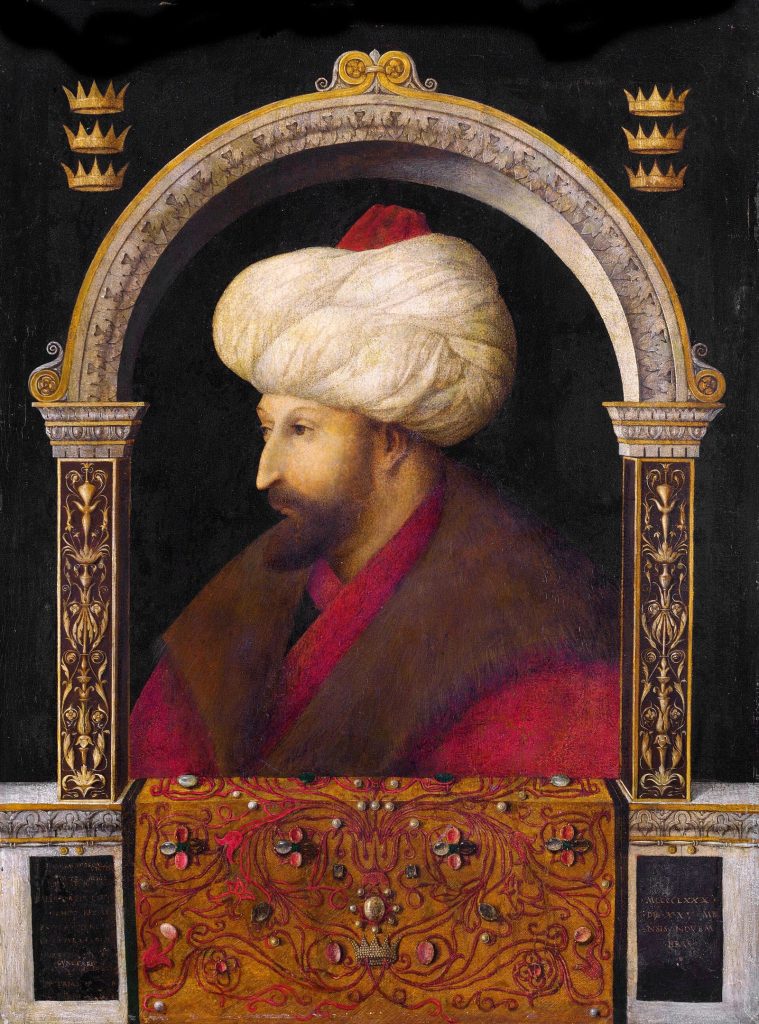
Zaganos Pasha: the tutor who wanted the assault
Zaganos Mehmed Pasha was Mehmed’s lala, a tutor and mentor. He stood for the opposite instinct. According to Turkish reference reporting on Halil’s life, Zaganos pressed for a harder line against Byzantium, while Halil argued for a milder policy.
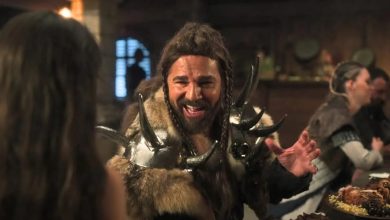
The series casts Sinan Albayrak as Zaganos and Selim Bayraktar as Halil. The Turkish outlet GZT reported that Albayrak’s last episode would be episode 80. The report did not say how the character’s story ends, so viewers should not read it as a statement about history.
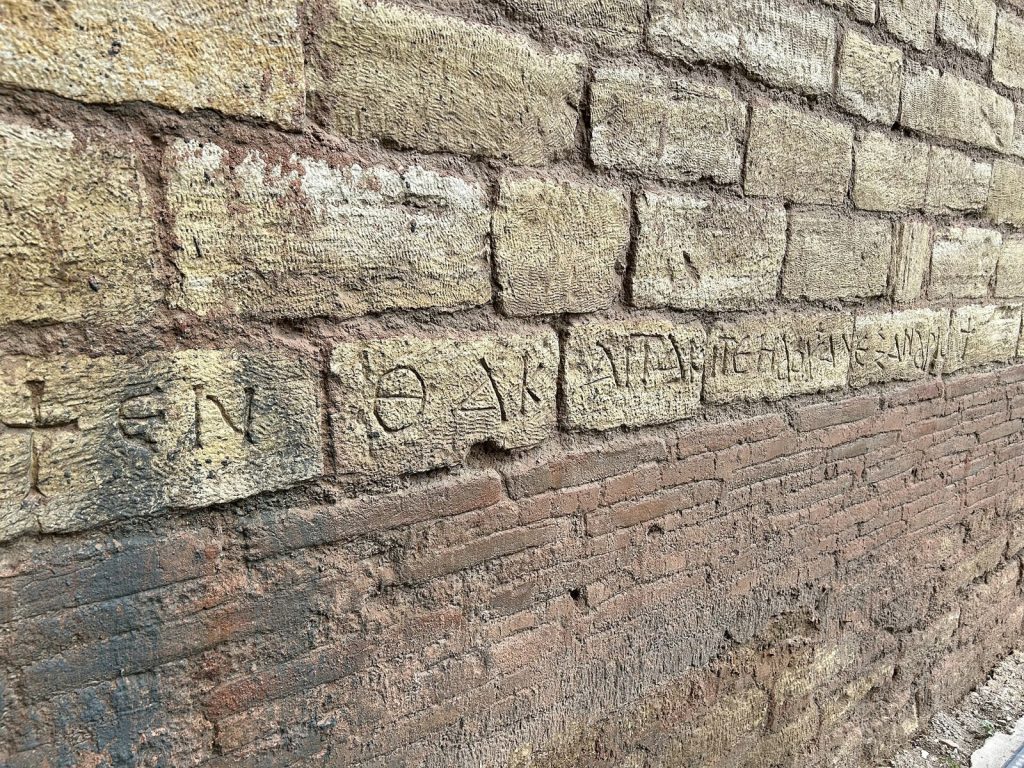
What the quarrel was about
The core of it is strategy. Halil feared that a siege might provoke a new crusader alliance in Europe. He proposed weakening or lifting the siege. A Koç University library guide dates his advice to retreat to 25 May 1453. Mehmed pressed on and launched the final attack on 29 May.
Was Halil simply a coward? Probably not. His worry about a Western relief fleet was a reasonable one for a veteran who had served through earlier crusading scares. Zaganos and the sultan gambled on speed, and the gamble worked. History tends to flatter the winner’s advice.
- Halil’s line: caution, diplomacy, fear of a European coalition.
- Zaganos’s line: pressure on the city and an immediate assault.
- Mehmed’s choice: the assault, on 29 May.
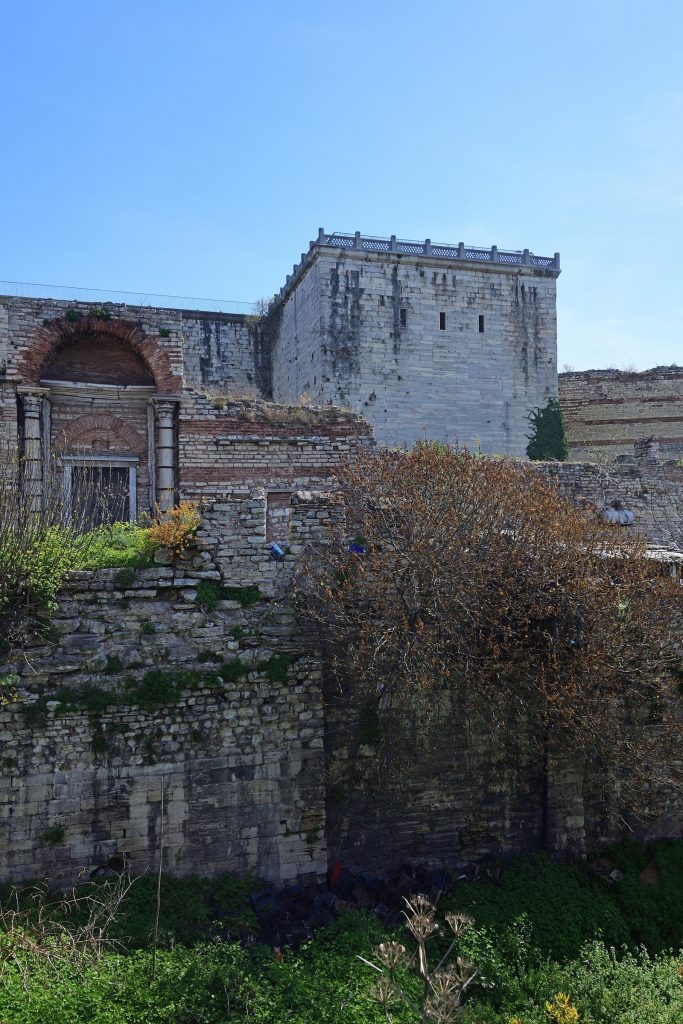
Arrest, Yedikule and the bribery charge
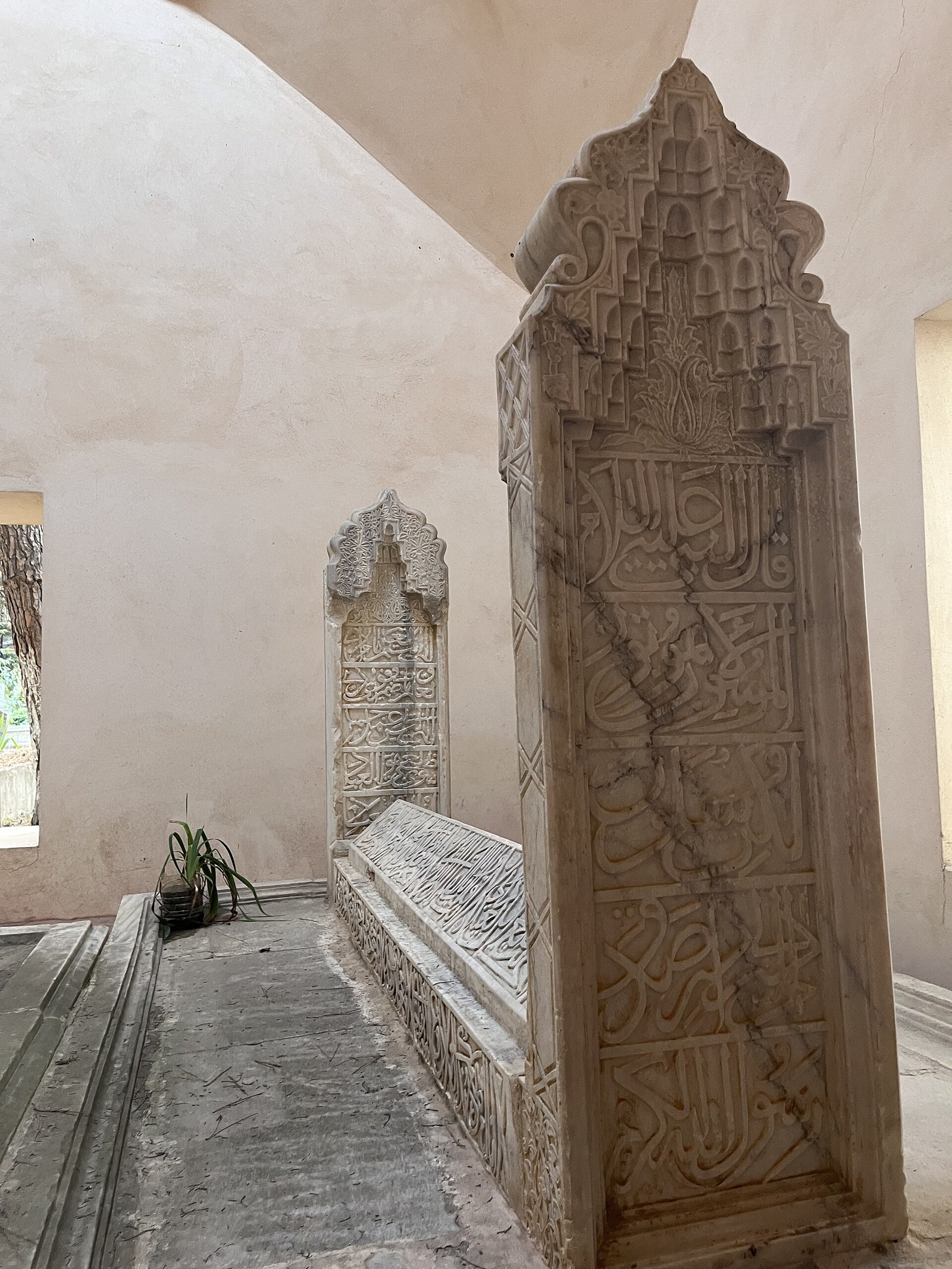
The conquest came on 29 May 1453. On 1 June, Mehmed dismissed Halil and had him arrested together with his children, who were later released. Halil was held for about 40 days at the Golden Gate in the fortress of Yedikule. He was executed on 10 July 1453, according to Turkish press accounts based on the standard biography. His son İbrahim Pasha took the body to İznik for burial.
The official reason was suspicion that Halil had taken bribes from the Byzantines. Both Ottoman and Christian sources record charges of this kind, but the accounts do not prove them. Even the Turkish article we relied on presents the bribery story as a rumor that circulated in the army and palace, not as a proven fact.
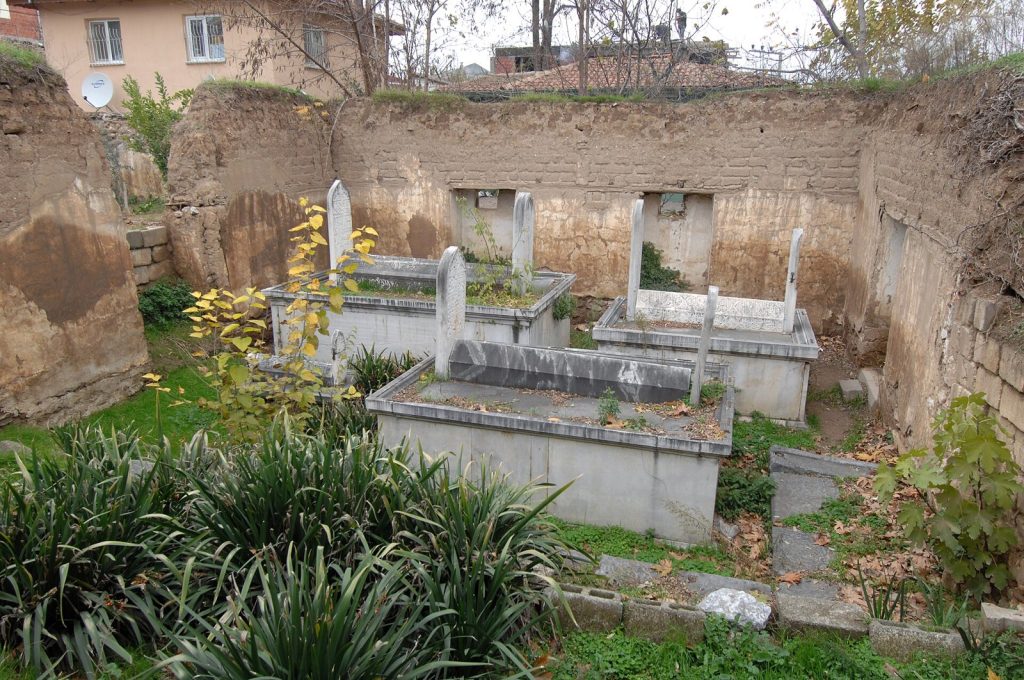
Why Mehmed may have wanted him gone
The sources do not give one clean motive, so historians list several:
- Wealth. The Çandarlı family was very rich, and a new sultan needed money and room to rule.
- An old grudge. Mehmed had earlier been set aside in favor of his father Murad II, and Halil was part of the circle around that decision.
- A generation gap. Mehmed’s younger advisers wanted the war that Halil resisted.
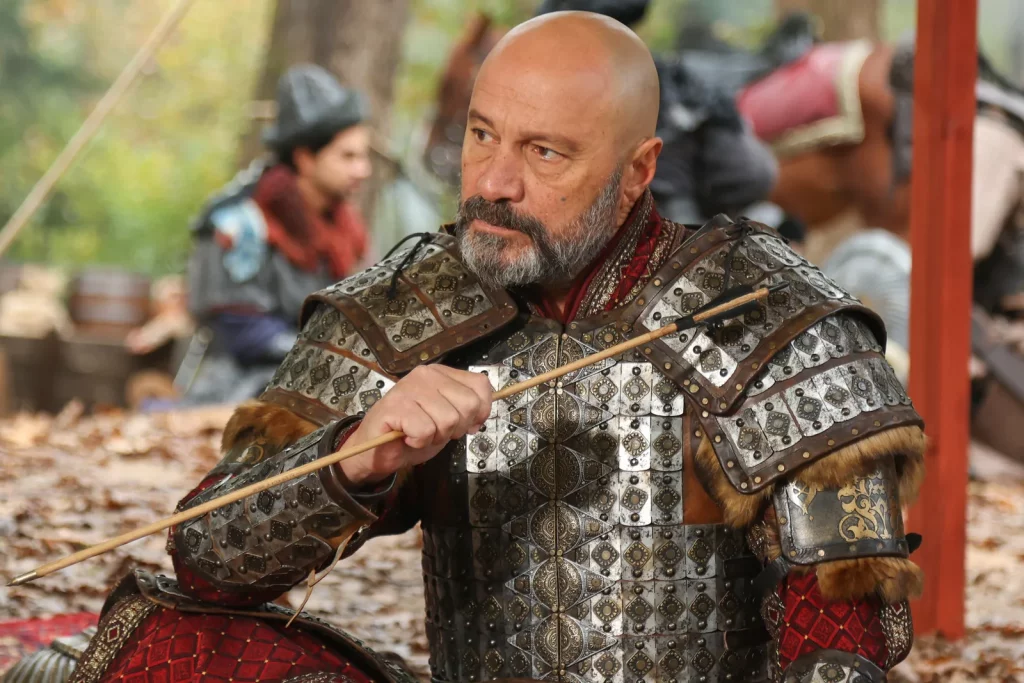
This is where the story is most human. Mehmed was about 21 when the city fell. The man who once managed him as a boy now stood in the way of the dream of his life. It is easy to see why a young ruler would not forgive that, whether or not the bribery was true.
What the series can add, and what you should check
Historically, the pairing of Halil and Zaganos as sharp rivals is sound. The disagreement over the siege, Halil’s fall and his execution are recorded. The names, the offices and the broad conflict are not inventions.
What is open to dramatization is everything the chroniclers do not give: private conversations, exact wording of council speeches, and the inner motives of each man. A series has to write these scenes. When you watch, ask whether a scene rests on a recorded event, such as the 25 May advice or the arrest, or on a screenwriter’s guess about what was said behind closed doors.
One caution on Zaganos: his full later career is outside what we could verify here, so we leave it out rather than guess.
Verdict
The rivalry is real, the stakes were real, and Halil’s death was real. The bribery accusation, the family wealth and the old grudge are the part where historians disagree. If you want to judge for yourself, watch Mehmed: Fetihler Sultanı in HD with English captions and note where the screen goes beyond the sources.
Questions About Halil Pasha and Zaganos Pasha
Were Çandarlı Halil Pasha and Zaganos Pasha real rivals? Yes. Halil favored caution and a milder policy toward Byzantium, while Zaganos urged a harder line. The disagreement over the siege is recorded in Turkish biographical accounts.
When was Halil Pasha executed? On 10 July 1453, about 40 days after his arrest at Yedikule. He had been dismissed and arrested on 1 June 1453, three days after the conquest. Some sources give slightly different dates for the dismissal.
Did Halil Pasha really take bribes from the Byzantines? It is not proven. Ottoman and Christian sources record the charge, but Turkish reporting describes it as a rumor. Historians still debate whether it was a real reason or a pretext.
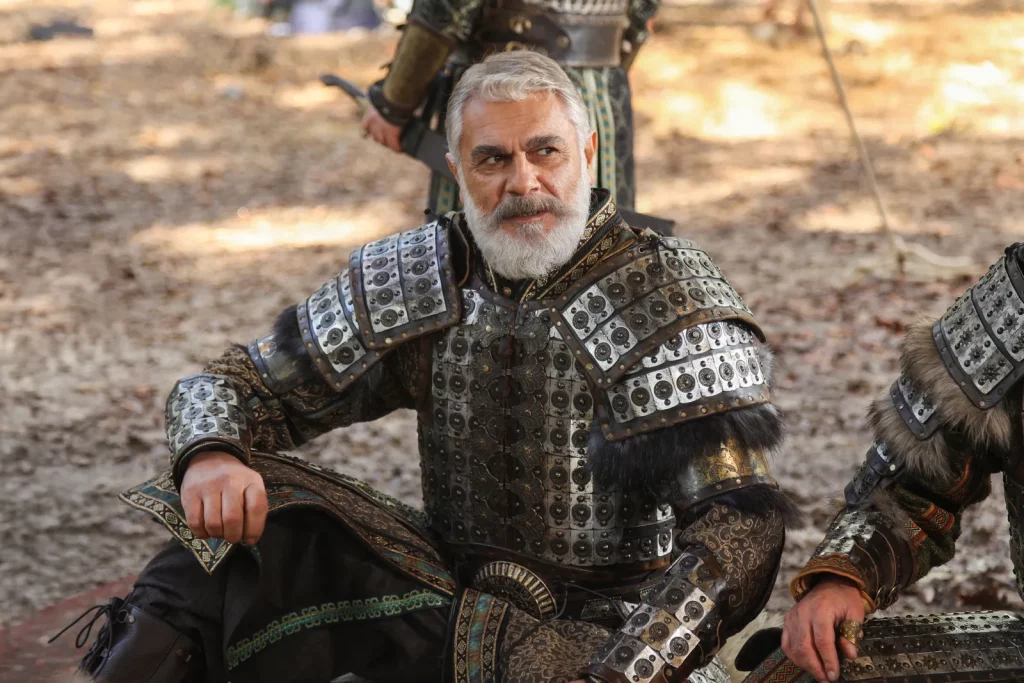
Who plays Halil Pasha and Zaganos Pasha in Mehmed: Fetihler Sultanı (Mehmed: Sultan of Conquests)? Selim Bayraktar plays Halil and Sinan Albayrak plays Zaganos. Every episode is free with English subtitles on OsmanOnline.live, no account needed.
Source: Cumhuriyet: Çandarlı Halil Paşa kimdir, Koç University Libraries: Fall of Constantinople 1453, GZT: Zağanos Paşa karakteri 80. bölümde veda ediyor, Executed Today: Çandarlı Halil Pasha, IMDb: Mehmed: Fetihler Sultanı full cast, TVMaze: Çandarlı (Mehmed: Fetihler Sultanı)
Featured image: Emirhan Sağdır / CC BY-SA 4.0 / Wikimedia Commons