Rare Orhan Gazi Coin Goes on Sale in London for £1,500
A silver akce tied to Orhan Gazi is listed in London for £1,500.
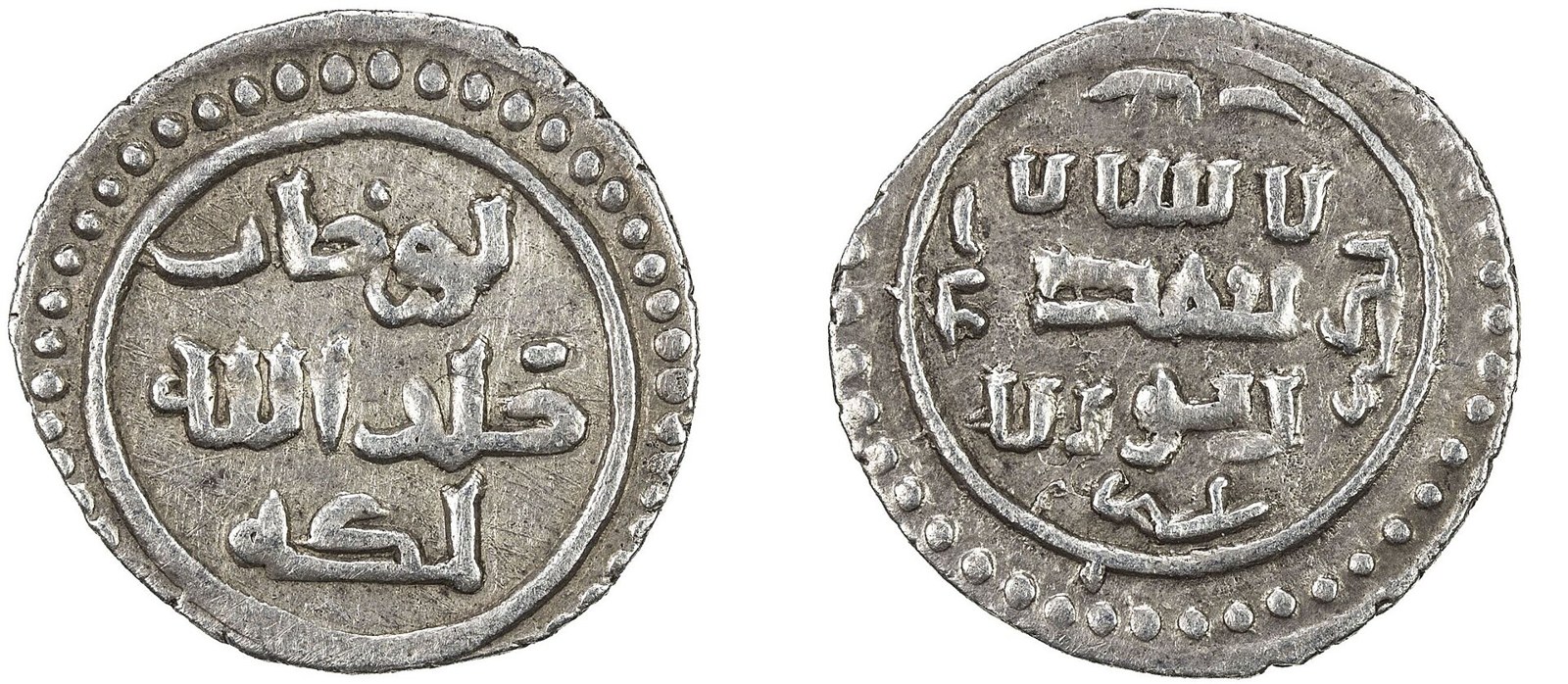
A rare silver coin from the reign of Orhan Gazi, the second ruler of the early Ottoman state, has been listed for sale in London. According to Türkiye Today, the London-based platform House of Emirates is asking £1,500 (about $1,986) for the akce. The piece offers a close look at how the young Ottoman polity began to present itself as a state.
The seller calls it an “extremely rare early Ottoman silver Akce” from the formative years of the empire. Numista, an international catalogue for coins and banknotes, gives the type a rarity score of 93 out of 100, the report says.
What the Orhan Gazi akce shows
An akce was a small silver coin that became a core unit of the early Ottoman monetary system. This one carries Orhan Gazi’s name on the front, together with a prayer meaning “may God perpetuate his kingdom.”
The reverse bears the Islamic declaration of faith and the names of the four caliphs. These are the first leaders of the Muslim community after the Prophet Muhammad, often called the Rashidun.
The listing describes the piece as the earliest Ottoman coin that can be definitively identified as carrying a ruler’s name. That is the seller’s claim, and the report presents it as such.
Why a ruler’s name on a coin mattered
In the medieval Islamic world, striking coins in one’s own name was a public statement of authority. Türkiye Today notes that issuing coins in Orhan’s name was seen as a sign the emerging Ottoman polity could act as an independent state. The coin therefore came to symbolise economic sovereignty.
Orhan was the son of Osman Gazi, the founder of the dynasty. Viewers of Kuruluş Osman will know Osman’s story from the screen. Coins like this one belong to the next chapter, when a frontier principality started building lasting institutions.
Where sources differ on mint and date
Türkiye Today says Orhan had his first akce minted in Yenisehir in 1324. Other collector references describe the earliest Orhan silver issues differently. One catalogue entry places a very early type at Bursa after AH 726 (around 1325 to 1326), the period when Orhan made Bursa his capital. Other accounts date the first silver coinage to the late 1320s.
These differences are common for such early issues, because the coins carry little dating information and scholars classify them by type. Readers should treat any exact year as the seller’s or a catalogue’s attribution, not a settled fact.
What buyers and readers should know
The report does not say whether the piece has independent authentication or a documented ownership history. Anyone considering a purchase would need to check those details with the seller directly. For history readers, the main value is the coin itself: a small silver disc linked to the moment Ottoman rule began to put its name in public circulation.
Source: Türkiye Today
Featured image: Wikimedia Commons, Public domain