Türkiye Recovers 100 Artefacts Smuggled From Anatolia
The culture ministry says 100 Anatolian artefacts have returned from the US, and explains how it proved their origin.
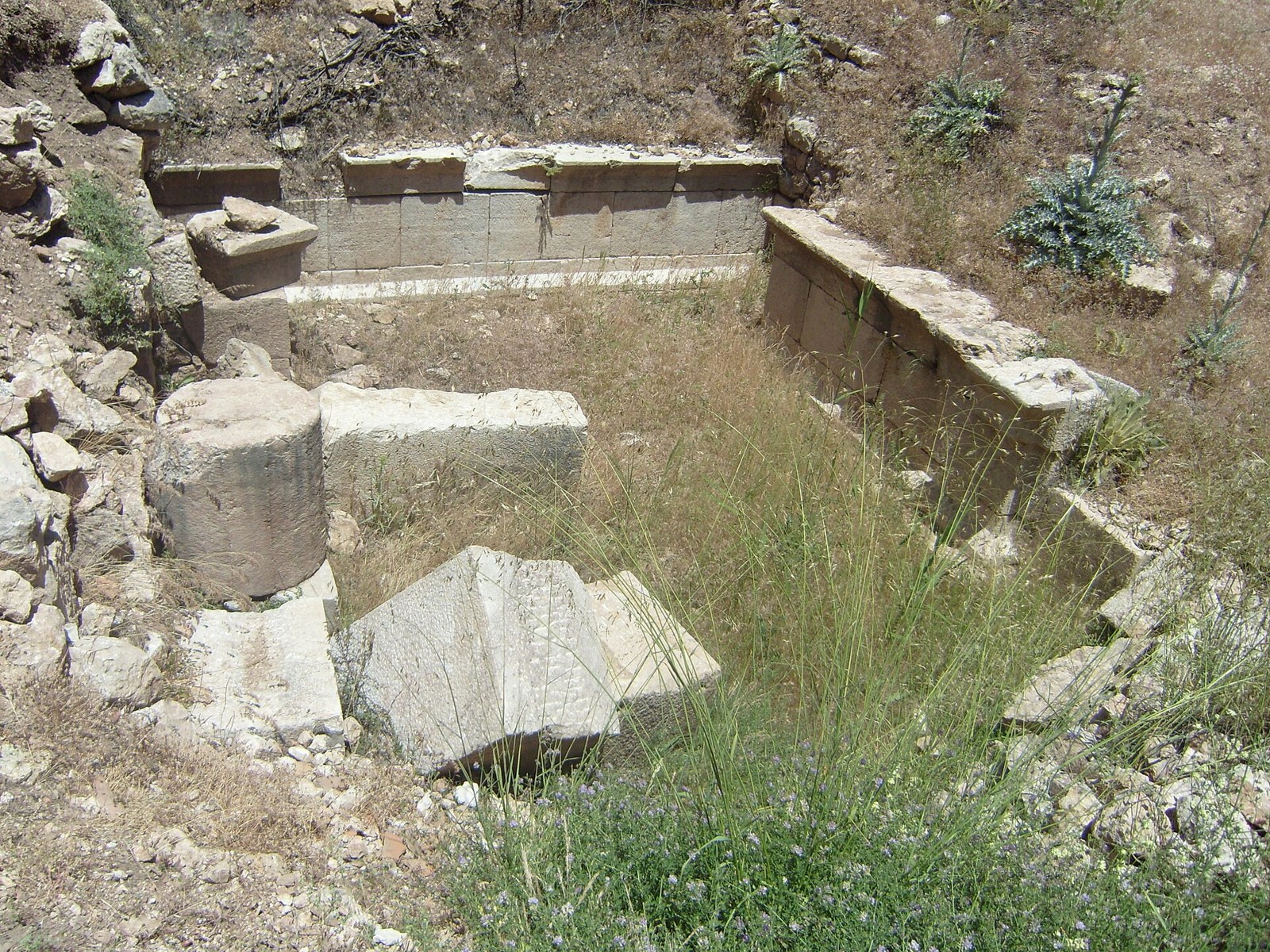
A lead clamp on a bronze statue’s foot helped bring Marcus Aurelius home. Digital scans showed that it matched a socket on a stone base in Burdur, Türkiye.
That detail is one of several that Zeynep Boz, head of the Ministry of Culture and Tourism’s anti-smuggling department, described on Turkish television. The ministry says 100 artefacts taken from different parts of Anatolia have now come back from the United States. TRT Haber reported her account on November 24, 2026.
The headline number is striking. The method behind it is more interesting, because it reads less like diplomacy and more like a forensic case.
How a Lead Clamp Tied Marcus Aurelius to Bubon
Bubon was an ancient city in the Gölhisar district of Burdur. Its Sebasteion, a building for the imperial cult, displayed Roman-era bronze statues of emperors. Many were removed through illegal digging in the 1960s and ended up in collections abroad.
Proving where a statue came from took years. Prof. Jale İnan, one of Türkiye’s first female archaeologists, published a study in 1973 that linked bronzes of reported Pisidian origin to a statue found earlier at Bubon. Burdur Museum records of a 1967 gendarmerie seizure and later rescue excavations at the Sebasteion supported the link.
Ministry experts then made a 3D scan of the Marcus Aurelius statue held by the Cleveland Museum in the US. The lead clamp on its foot fit the socket in the Bubon base. Lead samples from both pieces were then compared in laboratories at Germany’s Tübingen University.
Boz credited İnan’s early work, saying the team remembered “Jale Hoca” with affection. Hoca is a Turkish term of respect for a teacher.
Why the Context of a Find Matters as Much as the Object
Boz stressed that smuggling takes two things from a country. One is the object. The other is the scientific record of where it lay, in which layer and beside which finds. Once that context is lost, researchers cannot recover it.
She also described returns that took decades. The Boğazköy Sphinx came back in 2011, 98 years after Halil Edhem Bey, then director of the Istanbul Archaeological Museums, began the Ottoman-era effort to recover it. “Persistent follow-up” is how she summed up the lesson.
The Troy case is still open. Heinrich Schliemann’s excavations in the 1870s removed many finds from Ottoman lands, and some are now in Moscow’s Pushkin Museum and St. Petersburg’s Hermitage. Boz said his treasure-hunting approach damaged the site’s archaeological layers. Türkiye still seeks those pieces. In 2012 it did recover 24 gold jewelry pieces of Trojan origin from the University of Pennsylvania Museum.
A Museum in Denver Made the First Move
Not every return begins with a dispute. The Denver museum researched its own collection and identified a statue head as probably Turkish. It then offered to return it.
Ministry specialists backed that finding with an old entry in the journal Türk Arkeoloji ve Etnografya Dergisi, tying the head to Anatolia. Boz said she hopes more museums will take responsibility for checking where their holdings came from.
According to the Euronews report that surfaced in our search, the ministry presented the 100 returned items at the Istanbul Archaeology Museums earlier this month. TRT Haber’s piece does not itemize the objects or name every holder.
What Remains Unfinished
Boz was clear that 100 objects are not the whole story. The ministry has many open files abroad. It also works with the police, the gendarmerie, customs enforcement and museums at home, and Boz called the trade organized crime with international links.
The institutional backing matters too. In 2020 the ministry’s anti-smuggling unit was raised to a full department, which Boz said allowed direct contact with foreign counterparts.
Her closing line was blunt. The returned works bring joy, she said, but they should never have left in the first place.
Source: TRT Haber
Featured image: kursadturkeli / Wikimedia Commons, CC BY-SA 3.0