Sarissa Excavations in Sivas to Resume in 2027 After 20 Years
Digging at the Hittite city in Sivas will restart in 2027 after stopping in 2005.
Archaeologists will return to Sarissa, a roughly 3,500-year-old Hittite city in Sivas province, in 2027. Digging there stopped in 2005. Sivas Governor Yılmaz Şimşek announced the plan during a visit to the site, according to SonDakika.
Sarissa lies within the boundaries of Başören village in the Altınyayla district. It served as a religious centre for Hittite kings in the 15th and 14th centuries BC. The first campaign ran from 1993 to 2005 under Prof. Andreas Müller-Karpe of Marburg University in Germany.
What the earlier Sarissa excavations found
The 1993-2005 work uncovered 52 clay tablets and a large temple complex of about 4,600 square metres. According to the governor, the tablets show that Sarissa was an important religious, political and administrative centre. Palace remains point the same way.
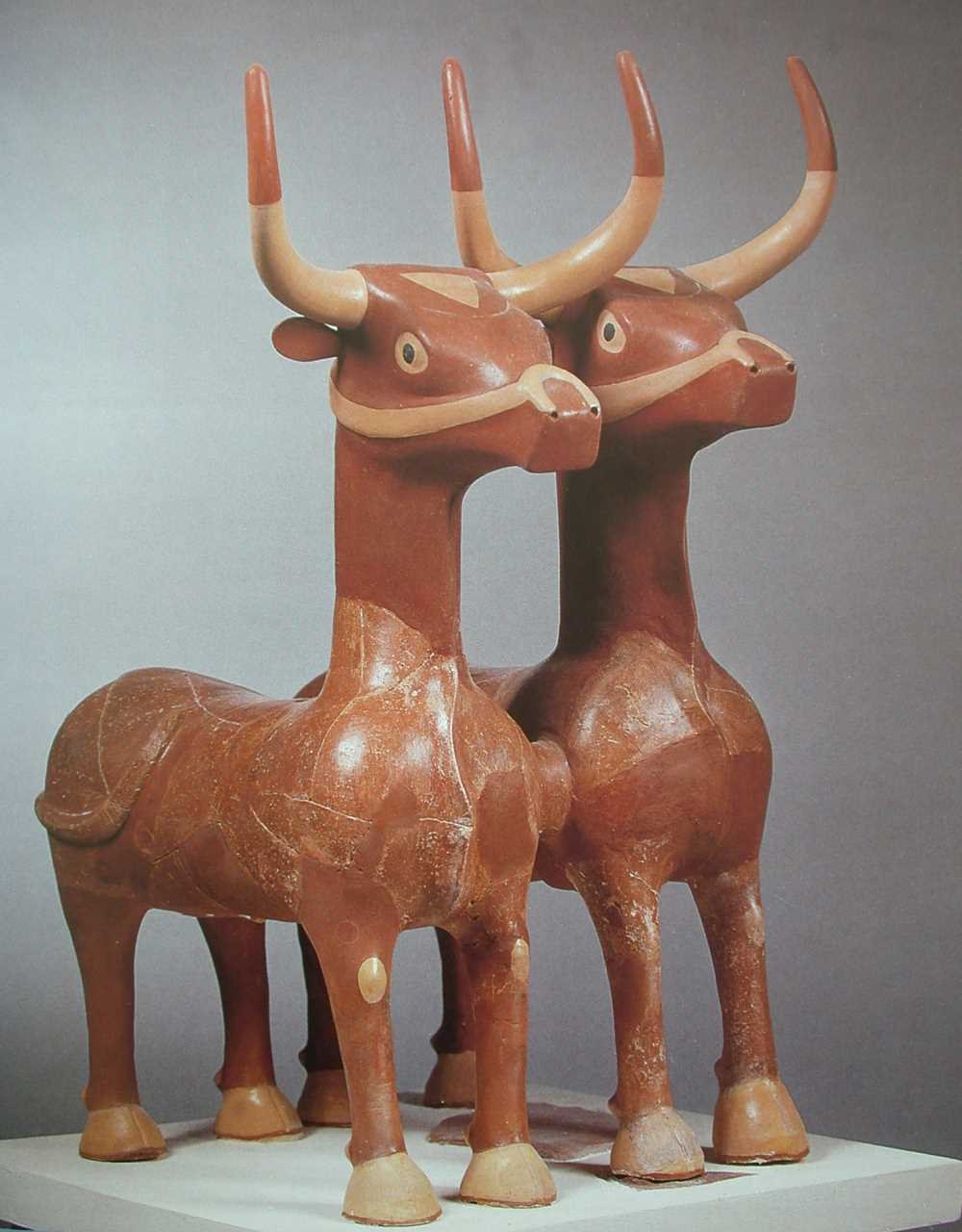
The most striking find is a twin-bull rhyton statue. A rhyton is a ritual vessel, often shaped like an animal, used in ceremonies. This one is now on display at the Sivas Archaeology Museum. The governor said a comparable piece from Hattuşa, the Hittite capital, is shown at the Museum of Anatolian Civilizations in Ankara.
Why Sarissa mattered to the Hittite kings
Şimşek said the kings of Hattuşa travelled to Sarissa, especially in spring, for religious ceremonies. During these visits they went to the place of the Storm God, one of the main deities of Hittite religion.
The site also has an old water system. A reservoir called Suppitassu still survives, and the governor believes more such pools may exist nearby. He described it as about 3,500 years old and as an early example of water engineering.
The “first written treaty” claim needs care
The report describes Sarissa as the place where the first written treaty in history was made, between the Hittites and the Egyptians. That wording is common in local and popular coverage. However, the report itself does not say that a treaty tablet was found at Sarissa. The 52 tablets are the only finds it counts.
Readers should therefore treat the line as a local description, not as an established archaeological conclusion. Excavation publications from the site are the better guide to what the tablets actually say.
What happens next
Şimşek said the new campaign will start next year under an academic from Istanbul University. The report gives only a first name for him, so his full identity is unconfirmed. The governor said the aim is to protect the heritage, learn more about Hittite religious and administrative life, and attract visitors to the site.
No budget, season dates or team details have been published yet. Further official announcements should clarify the schedule.
Source: SonDakika
Featured image: kureansiklopedi.com