Calligrapher Özçay Donates Handwritten Quran to TÜYEK
The manuscript is the first endowed to TÜYEK's Manuscript Qurans Department.
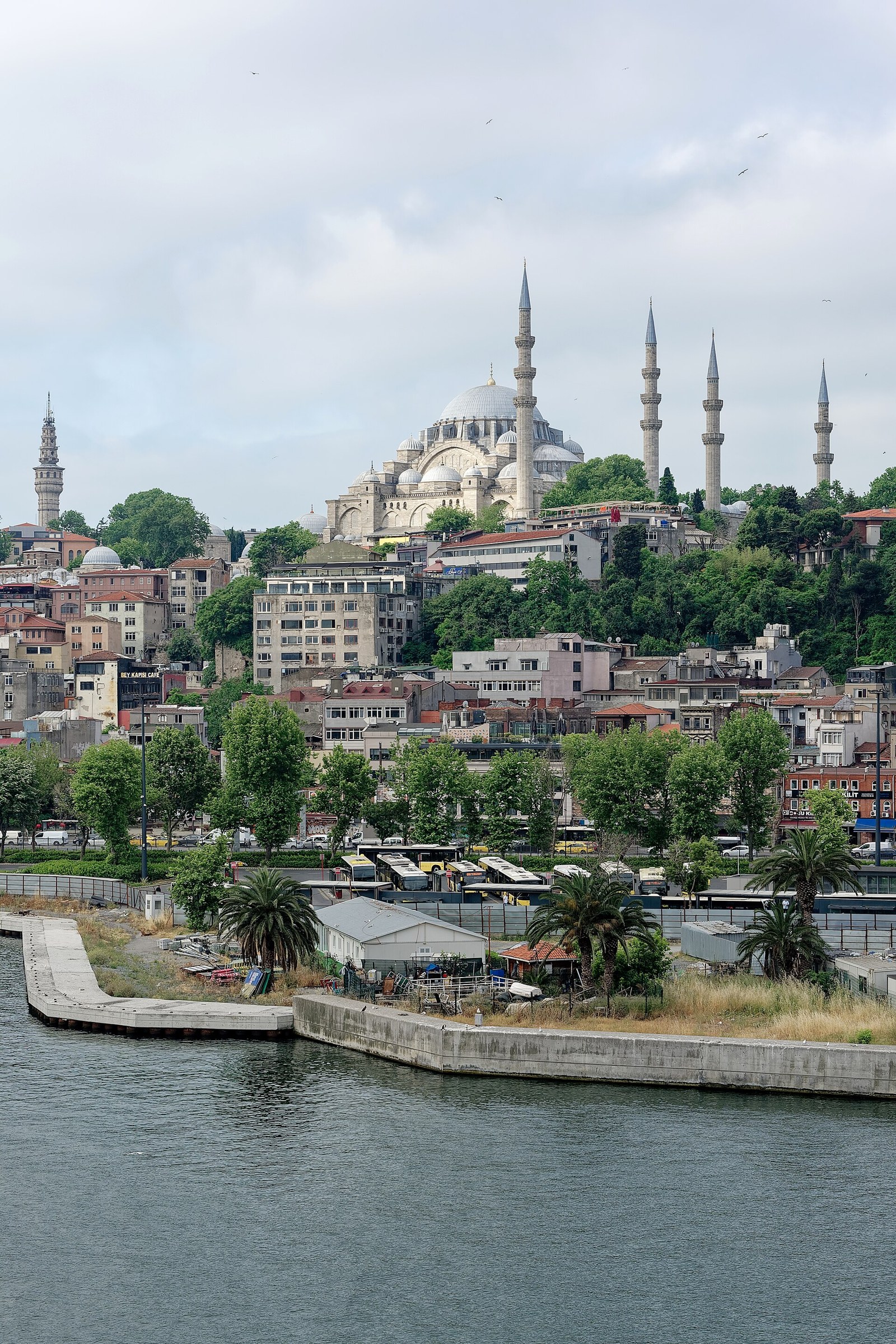
Turkish calligrapher Mehmet Özçay has donated the handwritten original of his Quran manuscript to the Turkish Manuscripts Institution (TÜYEK). Culture and Tourism Minister Mehmet Nuri Ersoy announced the gift on 16 October 2026. According to SonDakika, the work is the first manuscript endowed to TÜYEK’s Manuscript Qurans Department, and it will be kept in the Süleymaniye Manuscript Library in Istanbul.
The manuscript, known as the “Mushaf-ı Mehmet Özçay,” took four and a half years to write. Hundreds of thousands of printed copies have been made from it, the report says.
What Özçay Gave to the Süleymaniye Library
Özçay made the pledge at the “Sultanların Mushafları” (“Mushafs of the Sultans”) exhibition, which opened in 2025. After the preparations were finished, and after a special protective case was made for the work, he handed it over at TÜYEK. Deputy Minister Coşkun Yılmaz received it.
Minister Ersoy said the institution would protect the work carefully, present it through scholarly publications and pass it on to future generations. He also described the gift as a sign of Özçay’s generosity and his sense of responsibility for cultural heritage. Özçay is a member of the scholarly board of the same department, and he said he was happy to endow the work.
How the Handwritten Quran Was Made
The project began in 1986, when a publisher offered Özçay the commission. He was early in his career and did not feel his script was strong enough, so he first declined. After repeated requests, he agreed.
He finished the first copy in early 1991. He told the press that the work helped him improve in naskh, the rounded, highly legible script traditionally used for copying the Quran. Because his writing developed during the project, he rewrote the first six and a half juz, the thirty equal parts of the Quran.
The manuscript was made for printing, so Özçay worked in a way that suited the technology of the time. He wrote on separate sheets of matte coated white paper, each about 35 by 50 centimetres. This made it easier to transfer the pages accurately to the press. The original therefore shows both a finished Quran and the artist’s growth.
Why the Gift Matters for Turkish-Islamic Calligraphy
The Süleymaniye Manuscript Library holds one of the major collections of Islamic manuscripts in Türkiye. Placing a living master’s work there ties modern calligraphy to the long tradition of Ottoman scribes and calligraphers. It also means researchers will be able to study a Quran whose printed form is widely used.
The handover was attended by Mehmet Emin Maşalı, chair of the Manuscript Qurans Scholarly Board, and calligrapher Hüsrev Subaşı. Ahmet Sait Açıkgözoğlu, rector of Mimar Sinan Fine Arts University, was also there. So were Necmeddin Gökkır and Necmeddin Azak, who head two TÜYEK departments. TÜYEK has not yet announced a date for a public display or scholarly publication of the manuscript.
Source: SonDakika
Featured image: Jakub Hałun / Wikimedia Commons, CC BY 4.0