Ottoman Sultans’ Poetry Meets Calligraphy at Dolmabahçe
Saltanat Dizeleri shows 26 works by 26 artists at Dolmabahçe until November 1.
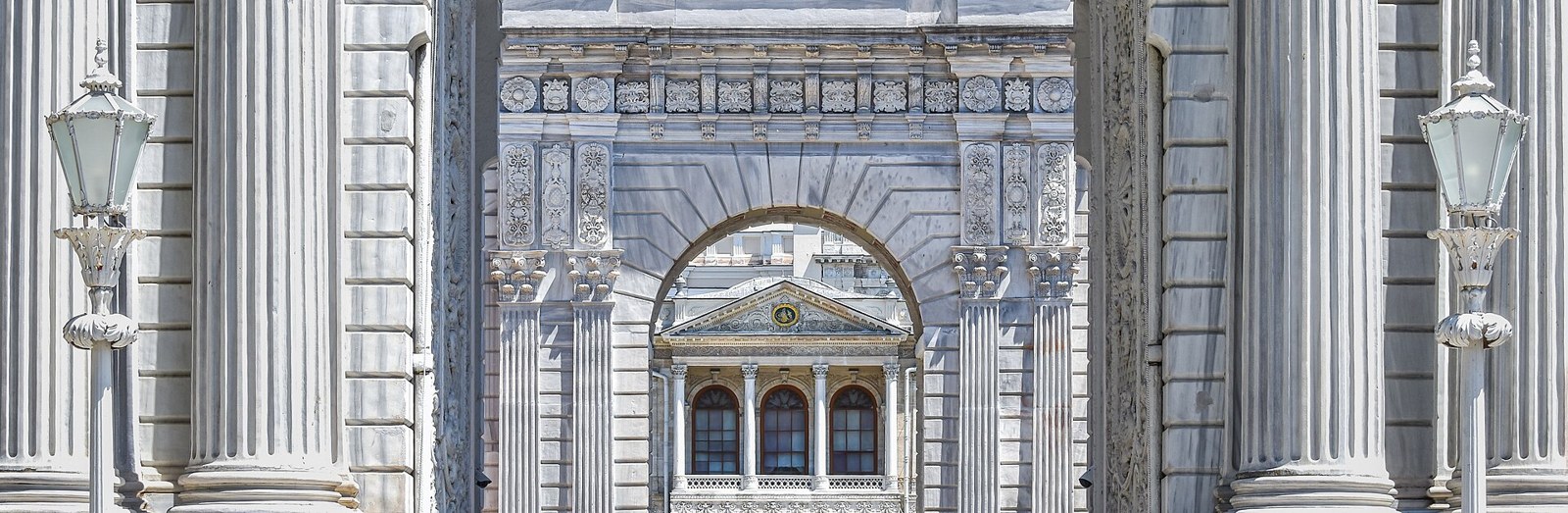
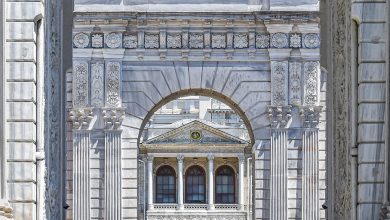
An exhibition at the Dolmabahçe Palace Art Gallery in Istanbul presents Ottoman sultans as poets, not only as rulers and commanders. “Saltanat Dizeleri” (“Verses of the Sultanate”) pairs Ottoman sultans’ poetry with calligraphy and illumination, and it runs through November 1, 2026.
According to Türkiye Today, the show includes 26 works by 26 artists. Each artist interprets one poem written by an Ottoman ruler.
What the Ottoman sultans’ poetry exhibition shows
The works cover the span of the dynasty, according to the report. The named rulers include Ertuğrul Gazi, Mehmed the Conqueror, Selim I and Suleiman the Magnificent. The report says the pieces highlight the rulers’ interest in literature and their sense of aesthetics.
The Taksim Mosque Islamic Education, Culture and Art Foundation organised the exhibition. Illuminator Hacer Sönmez coordinated it. Illumination (tezhip in Turkish) is the art of decorating manuscripts and calligraphic panels with gold and fine patterns.
The report does not list which poems or which artists are on display. Visitors should check the gallery for the full programme.
What officials and organisers said at the opening
Istanbul Deputy Governor Esengül Korkmaz Çiçekli said she believes art should always lead toward goodness and beauty. Beyoğlu District Governor Abdullah Atakan Atasoy congratulated Sönmez on 25 years of teaching and artistic work.
Ziya Altan Elmas, chairman of the foundation’s board of trustees, called the show a meaningful bridge between past and present. He said it brings out a valuable but often overlooked side of the rulers’ history. He also said traditional arts stay alive only when they are passed to new generations.
Sönmez said the project aims to draw young people to the craft of illumination.
Why sultans as poets matter to history viewers
Many Ottoman rulers wrote verse under a pen name (mahlas). Suleiman the Magnificent, for example, is widely known to have written as “Muhibbi.” This tradition is part of how the court understood power, taste and learning.
Television dramas usually focus on war, succession and court intrigue. A show like this offers a quieter view of the same figures. Viewers of series such as Diriliş Ertuğrul may find it useful to remember that a drama’s portrayal of a ruler is a dramatisation. It is not a record of how that ruler wrote or spoke.
The exhibition is open until November 1, so the window to visit is short. The organisers say the aim is to keep these arts in use among younger people.
Source: Türkiye Today
Featured image: Julian Lupyan / Wikimedia Commons, CC0