Kekova Shipwreck: 4,700-Year-Old Amphorae Hint at Dairy Cargo
Amphorae from a Bronze Age wreck off Antalya may point to Levantine trade and dairy-making at sea.
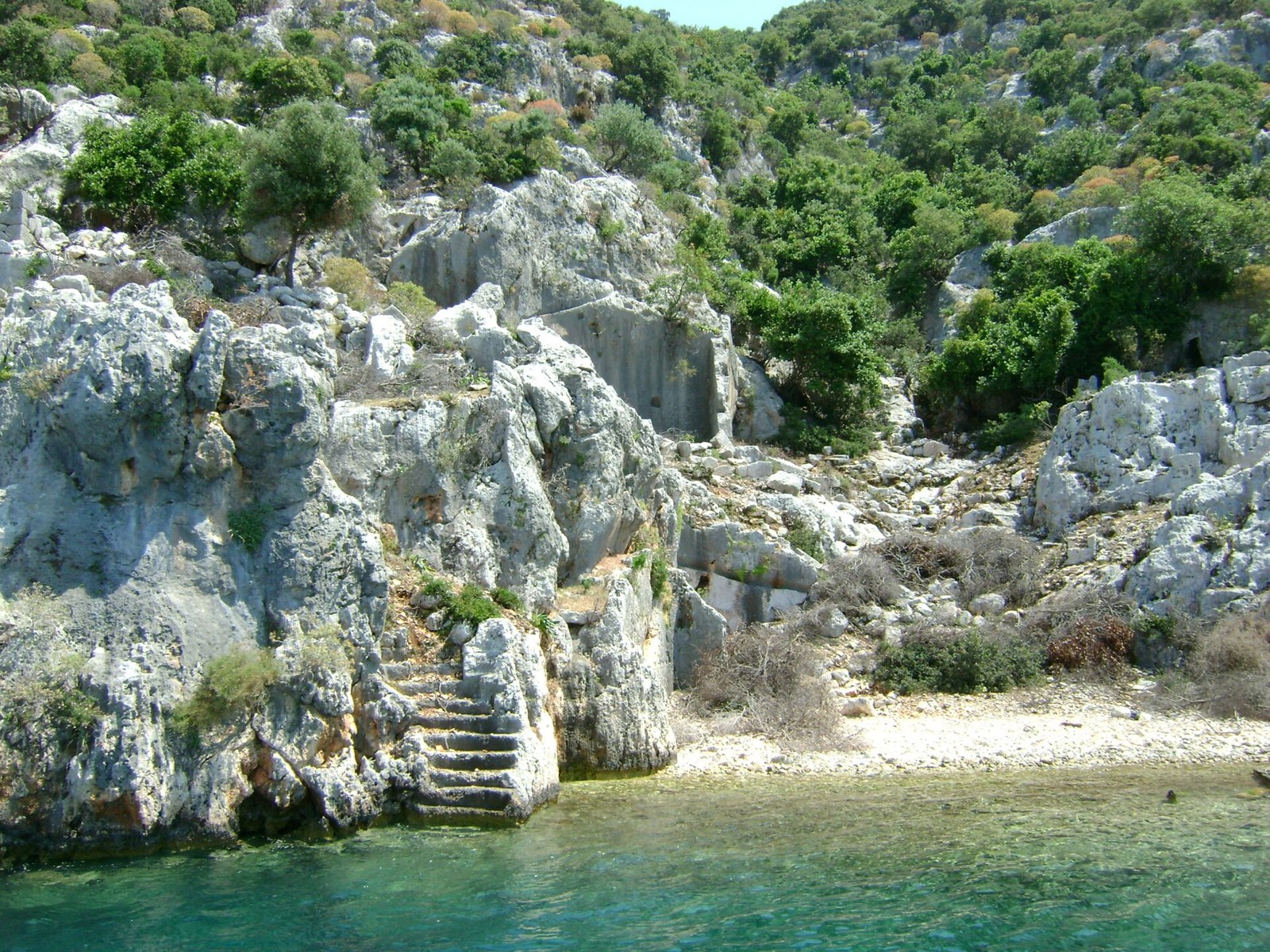
Divers working near Kekova Island off Antalya have recovered amphorae estimated at 4,400 to 4,700 years old from a Bronze Age shipwreck. Culture and Tourism Minister Mehmet Nuri Ersoy announced the finds in a social media post. The Kekova shipwreck may show how sailors traded, and even ate, on long Mediterranean voyages.
Ersoy described the site as the world’s oldest shipwreck. That is his wording, and archaeologists usually phrase such claims with more caution. The published research calls the vessel an Early Bronze Age wreck.
What the Kekova excavation has found
According to the minister, excavations began in 2026 with Ministry permission. The Antalya Museum Directorate leads the work, and Assoc. Prof. Hakan Öniz holds scientific responsibility. Akdeniz University first documented the wreck during earlier underwater surveys.
A 2026 preliminary report in the Journal of Maritime Archaeology, written by H. Öniz and C. Öztosun, describes the site. It says the team documented the wreck in 2024 and recovered one amphora in 2024 and another in 2025. The report also mentions three stone anchors nearby, though it says it is not yet known whether they belong to the ship.
Clay analysis points to the Jordan Valley
Clay tests suggest the jars were probably made in workshops in the Jordan Valley, according to Ersoy. Similar amphorae have turned up near the pyramids at Giza, Saqqara and Abusir in Egypt. They have also been found at Troy and on Crete.
Researchers therefore suggest the ship may have left a port on the Levant coast and sailed toward Troy or Crete. This is a working interpretation, not a settled route. The team describes the vessel as a small ship.
A possible churn amphora and goats on board
One recovered vessel carries nine marks and has two holes in its body. Early examination suggests it could be a churn amphora, a jar used to make cheese or butter. Other amphorae from the site were probably used to carry olive oil or wine.
If the churn theory holds, the crew may have kept goats on board, milked them and made their own dairy products at sea. That would be a rare glimpse of daily life on a Bronze Age ship. For now, the idea remains a possibility raised by the early study.
Why it matters beyond the headline
Ancient shipwrecks help historians reconstruct trade routes that written records rarely cover. For this period, the cargo itself is often the main evidence. The Kekova finds link Anatolia’s southern coast to Egypt, the Levant, Troy and Crete in the third millennium BC.
The wording on “oldest” deserves care. Antalya’s waters hold other Bronze Age wrecks, including a roughly 3,600-year-old copper-carrying ship near Kumluca that Turkish media also call the world’s oldest trade shipwreck. Comparing such claims will depend on the final excavation reports.
The 2026 season is the first full excavation at the site. Further analysis of the marked amphora should show whether the dairy theory stands.
Source: SonDakika, Akdeniz University AVESIS (Journal of Maritime Archaeology report)
Featured image: Армонд / Wikimedia Commons, Public domain