Abdulhamid II’s Telegram Recalls Erzurum’s Water Carriers
Researcher Taner Özdemir says the sultan's telegram praised Erzurum's women and children.
A telegram from Sultan Abdulhamid II to the people of Erzurum shows how the whole city joined the Aziziye Defense, according to city researcher Taner Özdemir. He says the message praises the courage of local residents, including women and children who carried water to thirsty soldiers. The account was published on 9 November 2026, as reported by İHA through SonDakika.
The telegram dates from the Ottoman-Russian War of 1877-1878. In Turkish history, this conflict is often called the “93 War” (93 Harbi), after the year 1293 in the Islamic calendar used at the time.
What the Aziziye Defense telegram reportedly says
According to the report, the telegram describes a Russian attack on the redoubts (tabya, fortified artillery positions) around Erzurum. It says local people joined the Ottoman soldiers to resist the assault.
The passage that Özdemir finds most striking concerns women and children. The telegram reportedly says that they brought water all the way to the battlefield to help soldiers who had none. The report does not publish the full text, so readers should treat this as a summary of the document rather than a transcript.
The telegram also relays news from two commanders, Gazi Ahmed Muhtar Pasha and İsmail Pasha. The report adds that the sultan expresses a wish for the city’s resistance to continue. Özdemir reads the message as a morale boost sent while the war was still going on.
Why researcher Taner Özdemir calls it a social record
Özdemir argues that the Aziziye Defense should not be seen as a purely military struggle. In his view, the telegram shows that the state knew about the civilian effort and valued it.
He also calls for more archive documents to be brought to light, read carefully and judged within the conditions of their time. His broader point is that history includes the roles of ordinary people, not only battles and commanders’ decisions. These are his interpretations, and the report does not mention any independent scholarly review of the document.
Historical context: Aziziye and Nene Hatun
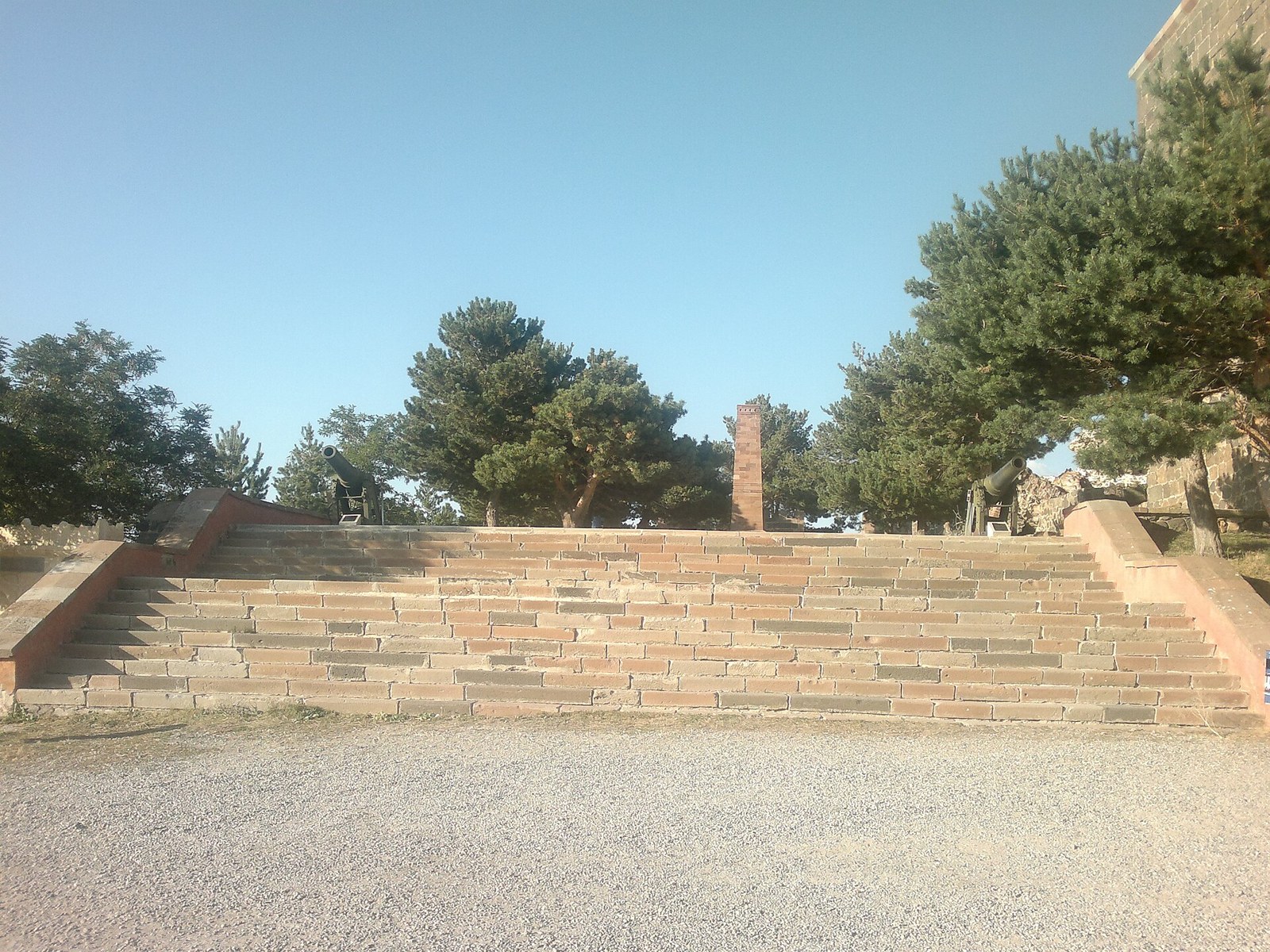
Historical sources agree that Erzurum’s residents tried to retake the Aziziye redoubt after Russian forces captured it. Accounts differ on the exact night: most point to 8-9 November 1877, while at least one Turkish encyclopedia entry gives 7 November. Many accounts say residents used stones, sticks and axes in that effort.
Nene Hatun is the best-known woman linked to this episode. She is remembered as a participant in the defence of the Aziziye redoubt, though sources vary on her birth year and age at death.
Viewers of historical dramas should remember that a television portrayal of Abdulhamid II’s reign is not evidence for these events. Archive documents such as telegrams, and the scholarship built on them, are the proper basis for historical claims. Fans of the period can also watch Payitaht: Abdülhamid, which dramatises the same sultan’s later reign: Payitaht: Abdülhamid episodes.
Özdemir expects further archive research to reveal more details of the Aziziye Defense that have so far been told too little.
Source: SonDakika (İHA)
Featured image: Eğitmen Mahmut at Turkish Wikipedia / Wikimedia Commons, CC BY-SA 3.0