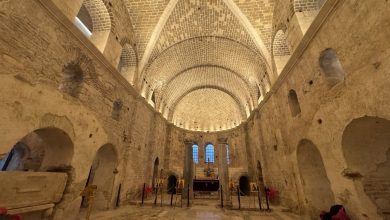
Kütahya Archaeology and Mining Museum Shows Amazon Sarcophagus
Kütahya's new museum shows 3,300 artifacts, including the Amazon Sarcophagus and Aizanoi models.
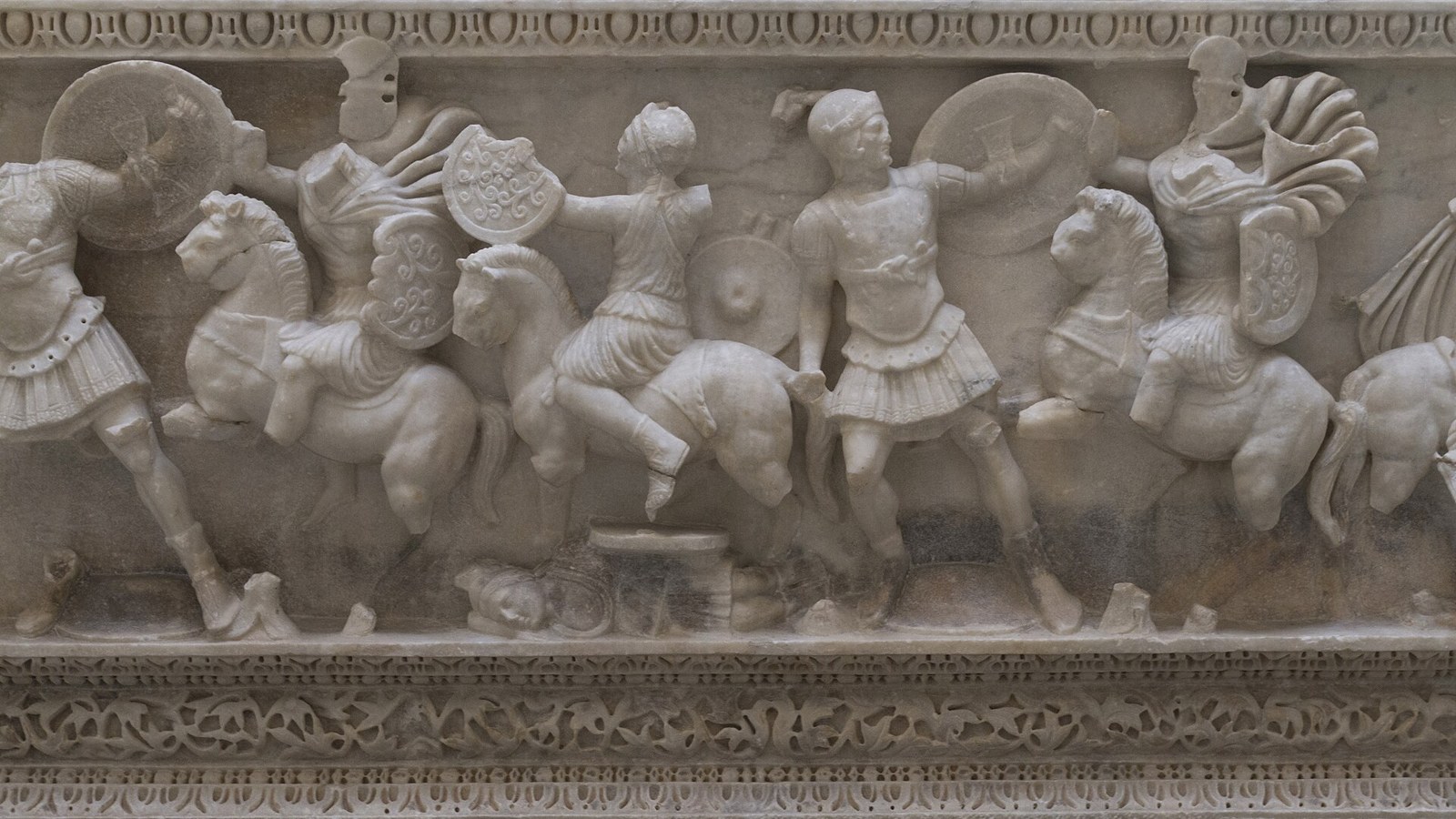
The new Kütahya Archaeology and Mining Museum in western Türkiye now displays about 3,300 artifacts from a collection of 62,701 objects. Culture and Tourism Minister Mehmet Nuri Ersoy inaugurated it on 30 September. The headline exhibit is the Amazon Sarcophagus, shown alongside Aizanoi figurines and coins from excavations along the Penkalas River.
The museum has sections for archaeology, ethnography, ceramics, mining and children. According to Türkiye Today, which cites Anadolu Agency, it also includes temporary exhibition halls, a restaurant and shops.
What the Kütahya Archaeology and Mining Museum Displays
Museum Director Sevgi Gürdal told Anadolu Agency that the archaeological collection comes mainly from Kütahya province. Key sites include Seyitömer Mound, Tavşanlı Mound and the ancient city of Aizanoi. The museum also shows objects gathered from villages and districts across the province.
Aizanoi has a large place in the displays. Excavations there go back nearly a century, and the museum offers scale models of the city’s main structures. These include the Temple of Zeus, the Macellum (an ancient marketplace), the theatre and the stadium. Gürdal said the models help visitors understand the city’s layout.
The complex covers roughly 16,000 square metres of construction area. Gürdal also pointed to the mining section, which reflects an industry that contributes significantly to the local economy.
The Amazon Sarcophagus and the Myth Behind It
The Amazons were female warriors of Greek mythology. They are not a documented historical army, so the sarcophagus shows a mythological scene, not a recorded battle. Roman-era sculptors often carved such “Amazonomachy” scenes, which show Greeks fighting Amazons.
Earlier reports describe the Kütahya piece as dating to about AD 160. They say it was found in 1990 in a necropolis near Aizanoi after illegal digging, and that the museum then carried out a rescue excavation. Officials have called it the most intact Amazon sarcophagus known, one of about 20 worldwide. Treat that claim as the museum’s own description, since I did not check it against a scholarly catalogue.
Çini Tiles Join the Story
The museum also gives more room to Kütahya’s famous çini, the glazed and painted ceramic tile art of the region. The Ceramic Tile Museum, founded in 1999, is now part of the new complex. This nearly doubles the space for its collection.
Gürdal said the ceramics run from the Seljuk period to today. Many pieces date from the 19th and early 20th centuries, and some works are by contemporary artists. For readers who follow Anatolian history, the layout puts Roman, Seljuk and later craft traditions in one building.
Visitors can also see coins found along the Penkalas River, a small but telling record of trade and daily life in the region.
Source: Türkiye Today
Featured image: Dosseman / Wikimedia Commons, CC BY-SA 4.0