Euromos Zeus Lepsynos Temple Restored With 70% of Blocks Back
About 70% of roughly 900 blocks returned to their original places, SonDakika reports.
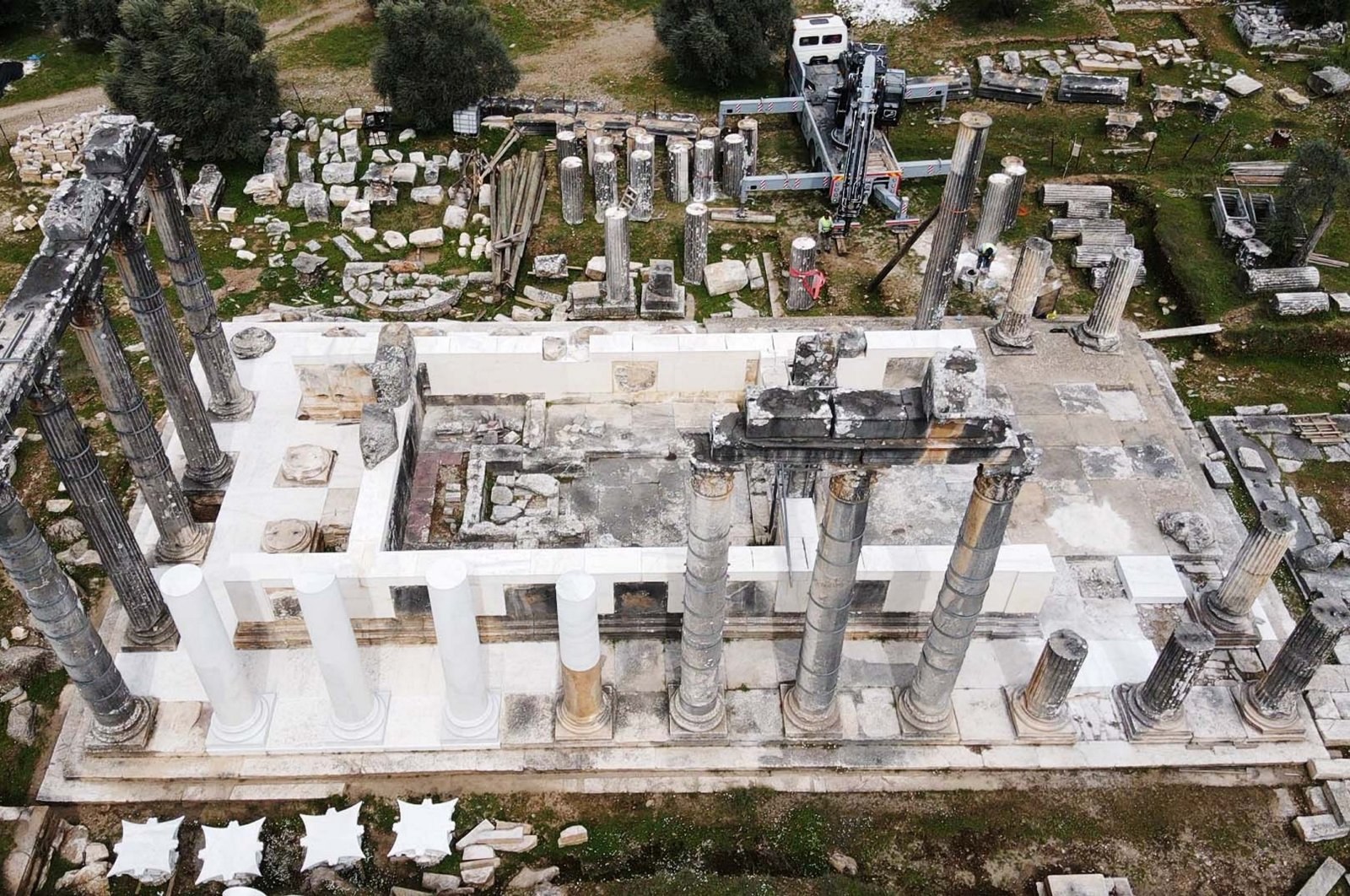
The Temple of Zeus Lepsynos at Euromos, near Milas in Muğla, has been raised again after restoration work that began in 2015. According to a SonDakika report on 14 November 2026, about 70% of roughly 900 architectural blocks went back to their original places. The result is expected to lift the profile of Euromos and of cultural tourism in the region.
The temple dates to the 2nd century AD, in the Roman Imperial period. It is one of the best-known monuments in southwestern Türkiye, and part of its column line survives today.
How the Zeus Lepsynos Temple Restoration Worked
The project began with survey drawings (called “rölöve” in Turkish). Teams also numbered and catalogued the temple’s architectural blocks. Researchers then examined about 900 blocks one by one.
According to the report, roughly 70% of the blocks returned to their original positions. Some pieces were too damaged to reuse. In those cases, the team brought in new blocks from marble quarries in the region.
Prof. Dr. Abuzer Kızıl led the project on behalf of Muğla Sıtkı Koçman University. The Ministry of Culture and Tourism’s General Directorate of Cultural Heritage and Museums, the Muğla Governorship’s Investment Monitoring and Coordination Presidency, and the Turkish Historical Society (Türk Tarih Kurumu) supported the work. The stated aim is to preserve the temple and pass it on to future generations.
Euromos: A Carian City Beyond the Temple
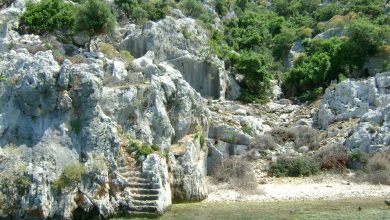
Euromos lies about 12 kilometres from the centre of Milas. It sits in the Selimiye neighbourhood, on the slopes of Kızılbayır Mountain. The city was one of the notable settlements of Caria, a region of ancient southwestern Anatolia.
The report says the city developed during the Roman Imperial period. Besides the temple, the site has an agora (the ancient public square), a theatre, a bathhouse, city walls, necropolis areas and the remains of a chapel. Prof. Kızıl also leads the excavation and restoration work across the site.
Who Built It and What Is Still Debated
The report says the temple is believed to have been built under Emperor Hadrian. That is an assessment, not a firmly settled fact. Readers should treat the attribution as the current scholarly view, not as a documented building record.
The 70% figure also needs careful reading. SonDakika describes it as the share of the roughly 900 blocks placed in their original positions. Other Turkish reports from earlier phases of the project described the share differently and gave different timelines, so the exact meaning of the number may vary by source. We have not found an official statement that confirms the final breakdown.
For visitors and history readers, the main point is practical. A Roman-era Anatolian temple has been physically reassembled with a high share of its original stone. Euromos now has a stronger visual anchor for tours around Milas.
Source: SonDakika
Featured image: Daily Sabah