Küre Bathhouse to Become a Copper Mining Museum
Küre's historic hamam is slated to become a copper museum with workshops.
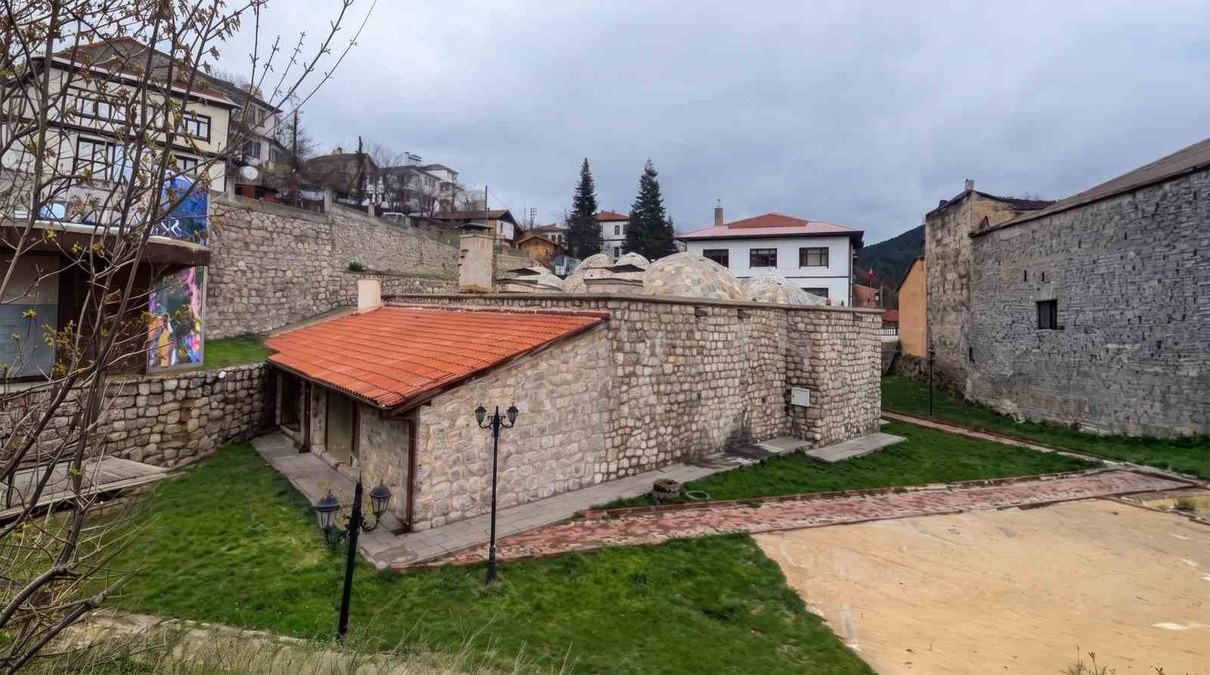
A historic bathhouse in northern Türkiye is about to swap steam for copper. In Küre, a district of Kastamonu province, the old hamam is slated to become the Küre-i Nühas Mining Museum.
The concept design is now finished. It was prepared with support from the North Anatolian Development Agency (KUZKA), and the Küre District Governorate is the project’s beneficiary. The goal is to tell about 3,000 years of copper mining in one building.
The name carries the story. Nühas is an old Ottoman word for copper, borrowed from Arabic, and Küre has long been known as a copper town.
“Kızıl Döngü”: the Museum’s Red Thread
The theme is “Kızıl Döngü: Ateş, Çekiç ve Zaman”, or “Red Cycle: Fire, Hammer and Time.” Designers tied the bathhouse’s traditional layout to the life of copper. The route runs from ore pulled out of the ground to processing, then to everyday use, and finally to the metal’s role in future technology.
The planned content reaches beyond the mine itself. Visitors are meant to learn about Küre’s link to the Ottoman Darphane-i Amire (the Imperial Mint) and to the imperial cannons. Other themes are the İstiklal Yolu (Independence Road), mining in the Republican era, and traditional copper crafts.
The source doesn’t say which Ottoman cannons or what dates are involved, so those details await the museum’s final displays.
Touch, Test and Hammer Your Own Coin
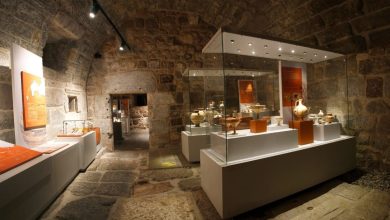
This isn’t meant to be a glass-case museum. The design includes areas where visitors can touch copper ores, a mineral table, projections and holograms. A “human circuit” station lets people test copper’s conductivity and its antimicrobial properties.
There’s also a working side. Copper masters would have a workshop in the building, and visitors could hammer their own copper tokens. A café and gift shop are planned, and the garden would host hands-on science areas for children.
The design package also covers the museum story, floor plans, 3D renderings and outdoor layouts.
A Stop on a Wider Küre Route
Local planners want the museum to put Küre on the tourist map and make local craftsmanship visible. They also expect it to fit with nearby attractions such as Ersizlerdere Nature Park and the İstiklal Yolu.
The reuse itself is a familiar Turkish pattern. Old hamams, built as public bathhouses, are often given new lives as galleries and museums because their domed rooms suit exhibitions. Küre’s version would pair that architecture with one of Anatolia’s oldest industrial stories.
The source gives no opening date or budget. Those are the next details to watch.
Source: SonDakika
Featured image: SonDakika