Ara Güler: The Photographer Who Became the Eye of Istanbul
Eight years after his death, Ara Güler's archive of over 2 million photographs still defines Istanbul's image.
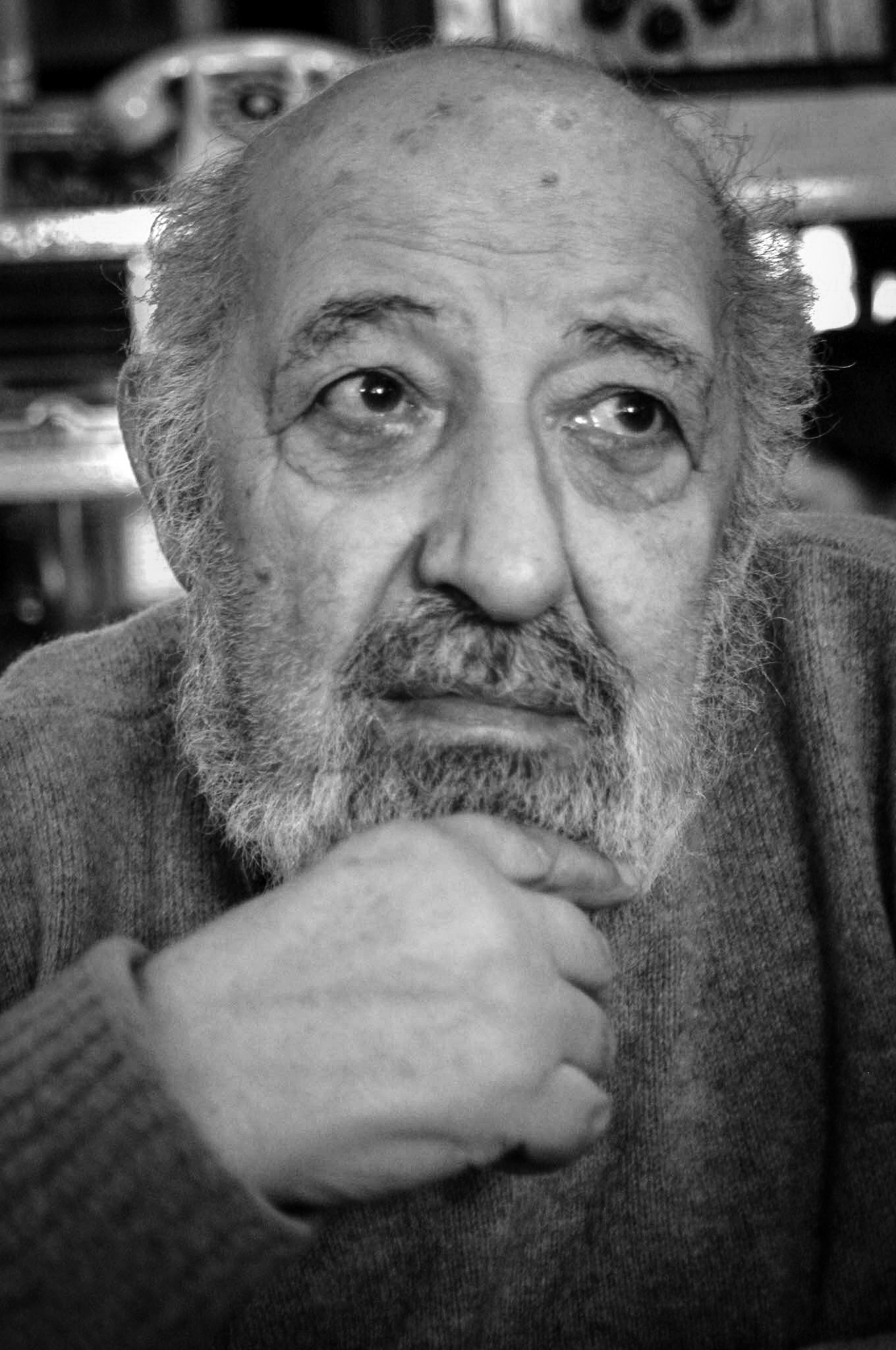
Eight years after his death, Ara Güler remains one of the defining visual voices of Istanbul. The Turkish-Armenian photojournalist, who died on 17 October 2018, left an archive of more than 2 million photographs, according to Türkiye Today. His work records a changing city and also some of the 20th century’s best-known faces.
Güler is often called the “Eye of Istanbul”. For readers who love Turkish history and culture, his pictures offer a rare look at how the city’s streets, ports and neighbourhoods once appeared.
From Beyoğlu to a global reputation
Güler was born in Istanbul’s Beyoğlu district on 16 August 1928. He was baptised Migirdiç Ara Derdarian, and later took the surname Güler under Türkiye’s Surname Law. (The Surname Law of 1934 required citizens to adopt fixed family names.)
He first showed an interest in cinema. His path changed when his father gave him a camera during his high school years. He later studied at Istanbul University’s Journalism Institute and wrote and photographed for Armenian-language newspapers, including Jamanak.
His breakthrough came in 1950 at the Yeni İstanbul newspaper. After military service he worked briefly for Hürriyet, then led the photography department at Hayat magazine.
In 1953 he met the French photographer Henri Cartier-Bresson. That meeting led to his association with the Paris-based Magnum agency. By 1958 he was taking regional assignments for Time-Life, Paris Match and Stern.
Portraits of Churchill, Picasso and Hitchcock
Güler’s international assignments brought him face to face with leading political figures, artists and filmmakers. Türkiye Today lists Winston Churchill, Indira Gandhi, Pablo Picasso, Salvador Dalí, Alfred Hitchcock and Bertrand Russell among those he photographed or interviewed.
He also documented Turkish public life. His subjects included İsmet İnönü and the writers Yaşar Kemal, Aziz Nesin, Kemal Tahir and Orhan Kemal. He covered the 27 May 1960 military intervention and events in Cyprus in 1964, and he sent his images to the international press.
Recognition followed. In 1961 the British Journal of Photography Year Book named him among the world’s seven leading photographers. A year later he received Germany’s Master of Leica distinction.
Documenting Ottoman architecture and Mimar Sinan
Güler also spent years photographing Türkiye’s architectural heritage. His pictures illustrated a book on the Ottoman architect Mimar Sinan by the art historian Aptullah Kuran, published in 1986, with an English edition in 1987.
His architectural work appeared abroad too. It was published in books titled Turkish Style in the United Kingdom, the United States and Singapore, and Demeures Ottomanes de Turquie in France. In 1991 he supplied photographs for The Sixth Continent by Cevat Şakir Kabaağaçlı, the writer known as the Fisherman of Halicarnassus.
For viewers of Ottoman dramas, this side of his career matters. His photographs help readers see real Ottoman buildings and urban spaces. They are documentary work, not a screen reconstruction.
The museum that keeps his archive alive
The Ara Güler Museum opened at Istanbul’s Bomontiada cultural complex on 16 August 2018, his 90th birthday. Its aim is to bring his archive, his artistic achievements and his personal story to wider audiences. Türkiye Today reports that it received official private museum status from the Culture and Tourism Ministry in 2022.
Güler died on 17 October 2018, at the age of 90. After a memorial gathering at Galatasaray Square and a funeral at the Beyoğlu Surp Yerrortutyun (Üç Horan) Armenian Church, he was buried at the Şişli Armenian Cemetery.
His photographs are now held by institutions including the National Library of France, the George Eastman Museum in Rochester, the Sheldon Collection at the University of Nebraska and Museum Ludwig in Cologne. He took part in more than 100 solo and group exhibitions in countries such as Germany, Italy, France, the United States and Japan.
Source: Türkiye Today
Featured image: Francis Payne / Wikimedia Commons, CC BY-SA 3.0