Is Kuruluş: Orhan Historically Accurate? Orhan Gazi in the Sources
Is it accurate? Series vs real history
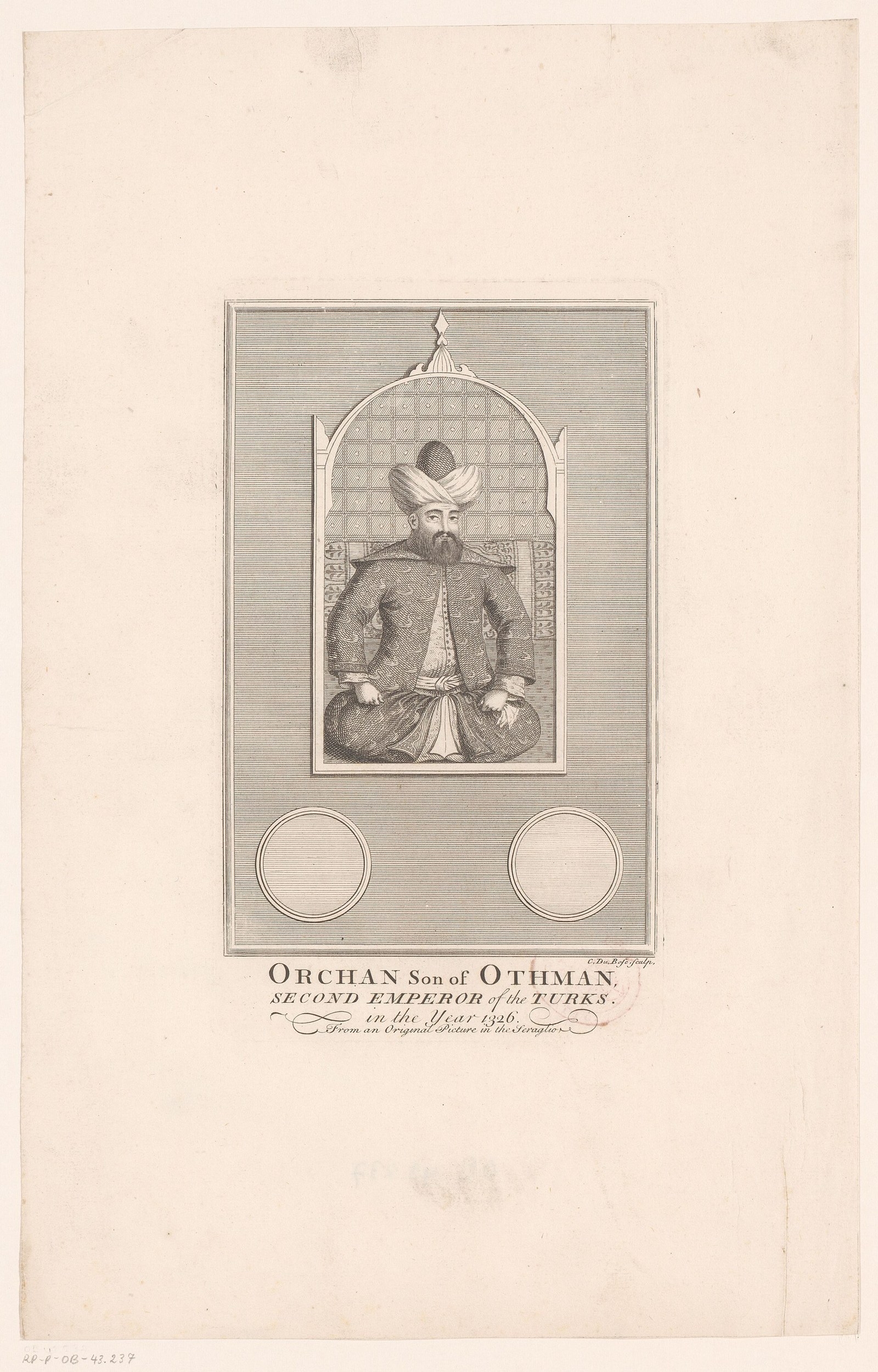
Did Orhan really lose Bursa and get replaced by his own brother? No source we checked says so. That scene is drama, and it is only one of several places where Kuruluş: Orhan and the record part ways.
Watch the latest episode with English subtitles on OsmanOnline.live
▶ Kuruluş Orhan Episode 26 With English Subtitles · All Kuruluş Orhan episodes
This article is part of our series Is it accurate? It follows four scenes from the show and checks each one against what historians and chroniclers actually know about Orhan Gazi, the second ruler of the Ottomans.
Scene one: the failed siege of Bursa and the brother who replaces him
The series gives Orhan a bitter setback early on. After he fails to take Bursa, his father Osman hands the command to Alaeddin. As a story beat it works: a young heir has to earn the throne.
History reads differently. Turkish reference accounts credit Orhan with completing the siege his father began. Bursa was taken on 6 April 1326, after a long blockade. Britannica’s article on the Ottoman Empire gives an earlier date of 1324, while its biography of Osman I keeps 6 April 1326, so dating the city’s fall is not settled in every reference work. Alaeddin was real. He was Orhan’s brother and is remembered in the chronicles as Orhan’s vizier. But no source we could check names him as the conqueror of Bursa.
Timing matters too. The waqf deed of Asporça Hatun, discussed in the TDV Islamic Encyclopedia’s entry on Orhan, dates to September 1323 and shows Osman was still alive then. By March 1324, the same entry shows, Orhan was ruling. The show compresses and reorders this transition for drama.
Want to judge the siege on screen for yourself? You can stream every episode of Kuruluş: Orhan with English subtitles, free and with no sign-up. Availability can differ by country.
Scene two: Hector and the Templars
The season’s villains include a secret Christian order of knights, described in season listings as the Holy Temple Knights, and a commander named Hector who leads a campaign against Orhan. Orhan faces them alongside Byzantine and Karesi rivals.
This is the show’s invention. The Knights Templar were dissolved by the papacy in 1312, twelve years before Orhan came to power. Nothing in the chronicles ties them to Bithynia, the region around Bursa and İznik. The Byzantines were a real enemy. A Templar plot in the 1320s is a storytelling device, a way to give a Western antagonist a face.
Fiction like this is common in historical drama. Still, readers should keep it apart from the actual Byzantine politics of the period, which were messy enough on their own.
Scene three: the Byzantine army at the gates
The first season ends with Orhan preparing a counter-move against an 8,000-strong army from Constantinople. That echoes a real event.
On 10 and 11 June 1329, near Nicomedia (today İzmit), at a site usually placed at present-day Maltepe, Emperor Andronikos III Palaiologos and his general John Kantakouzenos tried to relieve the Byzantine cities of Bithynia. The battle is called Pelekanon. Orhan’s forces won, and the Byzantine retreat turned into a rout. Kantakouzenos later wrote his own history of the period, and it remains a key source from the Byzantine side.
The consequences were quick. Nicaea fell in 1331 and Nicomedia in 1337. The series is set earlier than these events, so its finale borrows the shape of a famous confrontation rather than retelling it. The troop figure on screen should be read as a drama number, not a measured one.
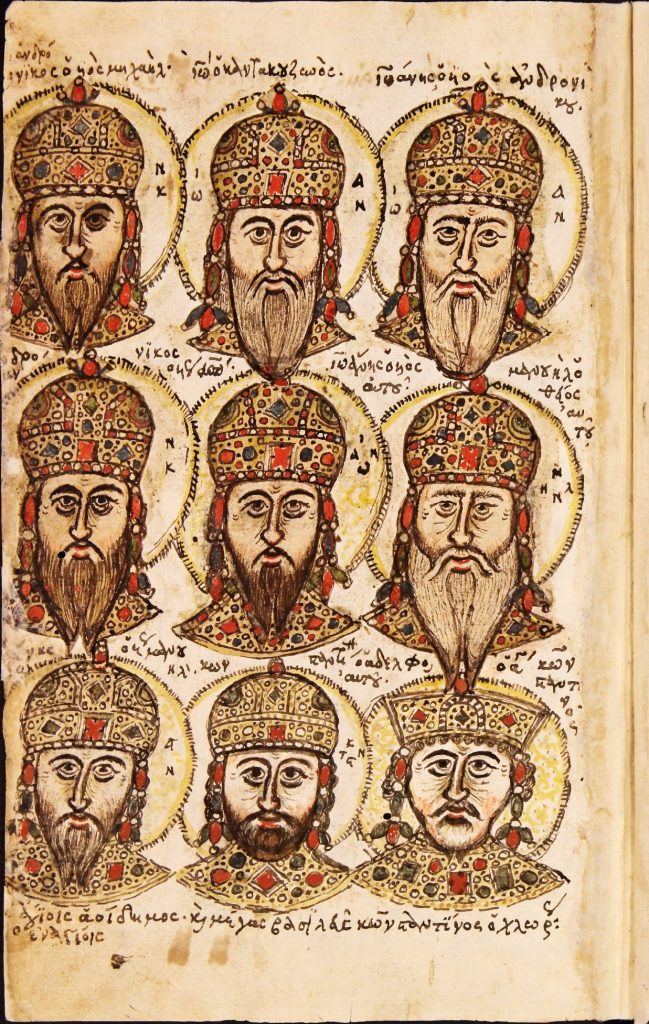
Scene four: what the real Orhan did after the wars
The show spends most of its energy on swordplay and intrigue. The real Orhan is remembered just as much for building a state.
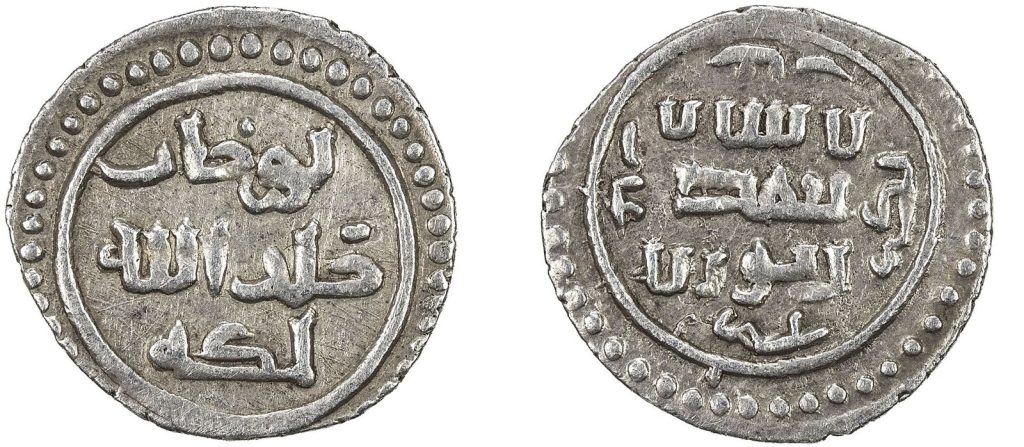
- Bursa as capital. He moved the seat of government there and built a mosque, and silver coins were struck there in his name.
- His coinage. The silver coin carried the name “Orhan bin Osman” and the date 727 in the Islamic calendar.
- İznik and learning. After the city surrendered, a monastery there became the first Ottoman madrasa. Two scholars, Davud-i Kayseri and Tacüddin Kürdi, were appointed to teach.
- A paid army. Salaried infantry, the yaya and piyade, replaced the earlier volunteer forces and were exempt from taxes.
- Karesi. The Karasid principality, in northwestern Anatolia around modern Balıkesir, was absorbed around 1345, and its soldiers joined his army.
- Marriage diplomacy. Around 1346 he married Theodora, daughter of John VI Kantakouzenos, who had become emperor and needed his support.
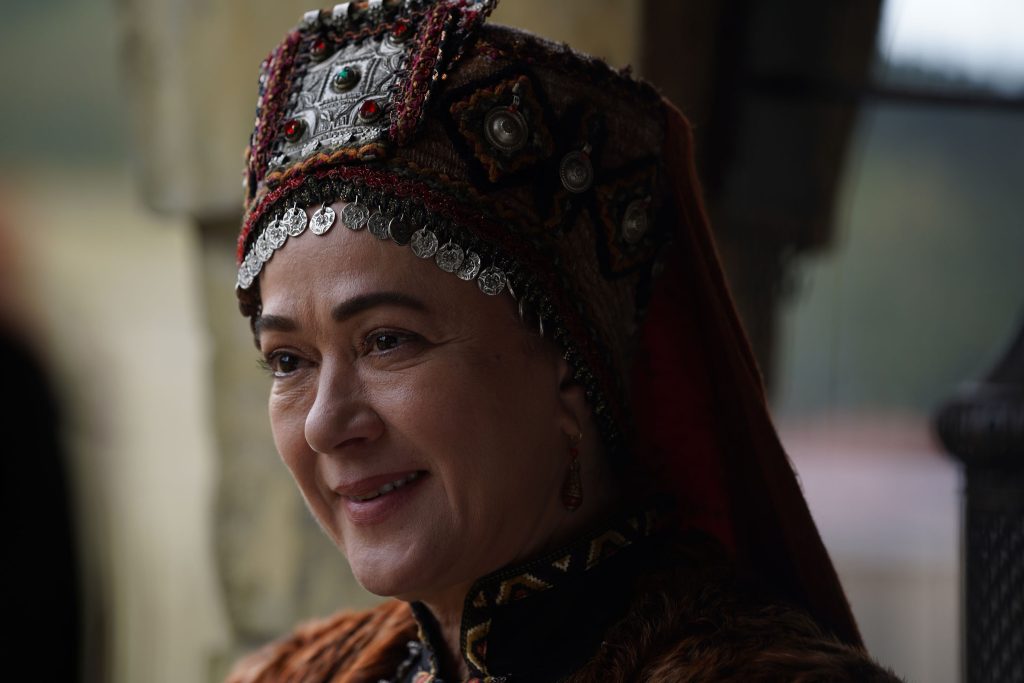
Ibn Battuta, the North African traveler, called Orhan the greatest of the Turkmen rulers, as Daily Sabah’s portrait of the sultan notes. Orhan’s son Süleyman Pasha crossed into Rumelia, the Ottoman name for the European side, in 1354. He died in a hunting accident in 1359. Orhan died in Bursa in 1360 according to Britannica, though some references give 1362. Historians disagree on that, and on his birth year too.
What the show gets right, what it invents
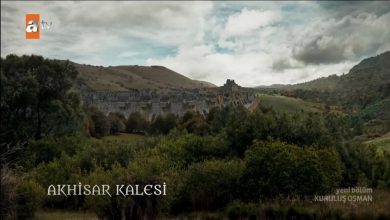
The broad frame is sound. Orhan inherits a young beylik, fights Byzantium, takes Bursa and has to watch Mongol and Anatolian rivals. The production also invests in the look of the period, including a Bursa castle gate 100 meters long and a large Tekfur palace set.
The invented parts are clear enough:
- Orhan’s failed siege and Alaeddin’s brief takeover of the command.
- The Templar network and its Western schemes.
- Personal intrigues in the family that no chronicle records.
The series also leans on the Ottoman chronicle tradition, which was written well after these events. That is a limit for any viewer, and for historians too. Early Ottoman history depends on later narratives, and scholars treat their details with care.
Verdict: a drama built on a real conquest
Think of Kuruluş: Orhan as a historical frame with fictional filling. The man, the city and the Byzantine rivalry are real. The failed siege, the Templars and most of the personal plots belong to the writers. Mehmet Bozdağ wrote and produced the show, and it ran on ATV from 29 October 2025, with 26 episodes in its first season.
If you want to compare the screen Orhan to the historical one, watch the series in HD with English captions on OsmanOnline.live and keep the dates above in mind. Then ask yourself which Orhan is more impressive: the one who loses Bursa on screen, or the one who minted coins, founded a madrasa and left a state his son could carry into Europe.
Questions About the Real Orhan Gazi and the Series
Did Orhan Gazi really conquer Bursa? Yes. Turkish reference accounts date the fall of Bursa to 6 April 1326, after a siege that began under his father Osman. Britannica’s Ottoman Empire article gives 1324 instead, so the exact year varies by source.
Was Alaeddin Bey the one who took Bursa? No. The series shows Alaeddin replacing Orhan after a failed attempt, but the historical accounts credit Orhan. Alaeddin was a real brother, remembered as Orhan’s vizier.
Were the Templars active in Orhan’s time? No. The order was dissolved in 1312, before Orhan took power in 1324, and no source we checked links it to Bursa. The Templar plot is a fictional addition.
Map
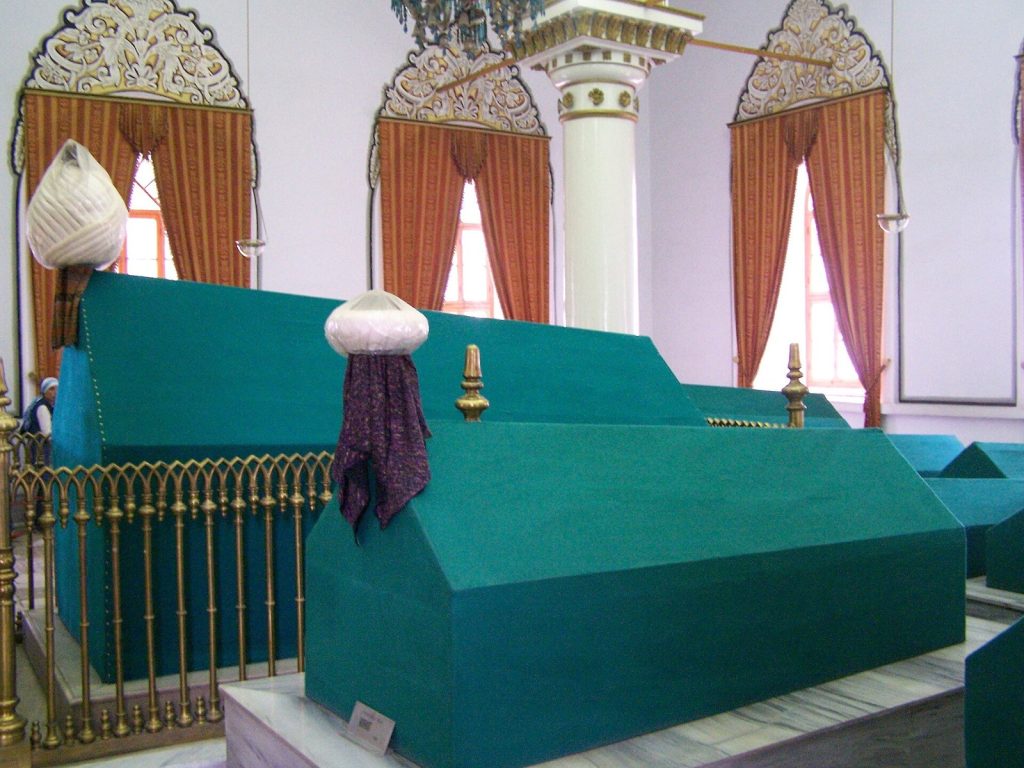
- Bursa: Taken by Orhan on 6 April 1326 and later his capital, with his mosque, mint and tomb. View on map
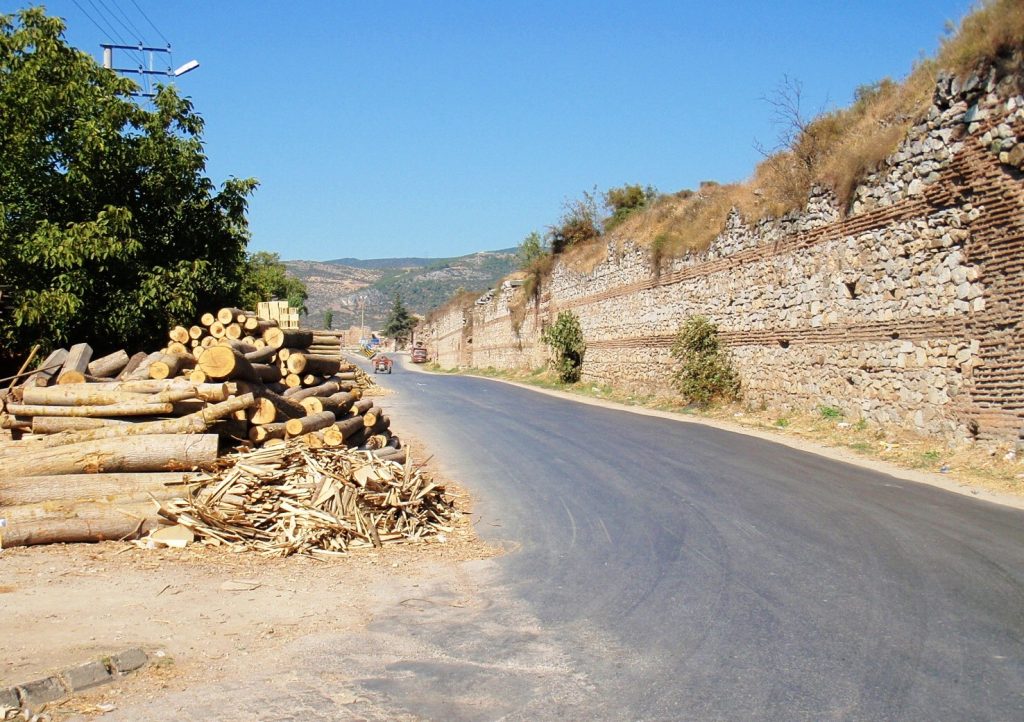
- İznik (Nicaea): Surrendered in 1331 and became home to the first Ottoman madrasa. View on map
- Maltepe (Pelekanon area): Present-day site usually given for the Battle of Pelekanon, where Orhan's forces defeated Andronikos III and Kantakouzenos in June 1329. View on map
- Gallipoli: Peninsula on the European side where Süleyman Pasha established an Ottoman base after 1354. View on map
Can I watch Kuruluş: Orhan with English subtitles? Yes. Every episode is free with English subtitles on OsmanOnline.live, and you need no account. Availability can differ by country.
Source: Beyazperde, Kuruluş Orhan season 1, Daily Sabah, Mighty sovereigns of Ottoman throne: Sultan Orhan, EBSCO Research Starters, Battle of Bapheus, Yeni Şafak, Bursa’nın fethini kim yaptı, Haberler.com, Kuruluş Orhan konusu, TDV İslâm Ansiklopedisi, Orhan, Britannica, Orhan, Britannica, Osman I, Britannica, Ottoman Empire: Osman and Orhan, Britannica, Templars
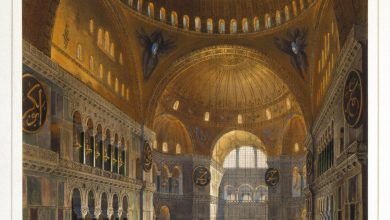
Featured image: Rijksmuseum / CC0 / Wikimedia Commons