Hagia Sophia’s Roman Tunnels Revealed After 3,000-Ton Excavation
A 3,000-ton debris removal has uncovered a 1,600-year-old network of tunnels beneath the iconic Istanbul site.
An extensive excavation beneath Istanbul’s Hagia Sophia Grand Mosque has uncovered a vast network of 1,600-year-old Roman tunnels. Archaeologists have removed approximately 3,000 tons of mud and debris since work began in February 2025, revealing hidden structures that predate the iconic monument itself.
The findings were presented by Professor Hasan Firat Diker, a member of Hagia Sophia’s Scientific Board, during a cultural event in Istanbul. He explained that the underground system offers a new window into the early history of the site and the engineering prowess of the Roman era.
An Ancient Underground Network
According to Professor Diker, the Roman-era structures functioned as a sophisticated piece of urban infrastructure. The network of passages, which he compared to a modern metro system, was designed to manage rainwater, channelling it from the city’s streets and into the sea. This system also provided a secure and protected space beneath the ancient city of Constantinople.
The scientific team has successfully cleared 170 meters (558 feet) of an underground route connected to a Roman street from the fifth century. This street was first documented by German archaeologist Alfons Maria Schneider in the 1940s, but large sections had remained inaccessible until this recent, large-scale clearing operation.
Layers of History Beneath the Floor
The current Hagia Sophia is the third major structure built on this historic location. The first was destroyed by fire in the fifth century, and its successor was burned down during the Nika riots. Professor Diker noted that the foundations of the original building lie about 2.3 meters (7.5 feet) below the present-day floor, showing how the city’s ground level has risen over centuries.
In the northeastern section of the site, the team has focused on a hypogeum, an underground burial complex with four chambers discovered in 1946. This structure is even older than the first Hagia Sophia. By clearing the mud-filled chambers and excavating further, researchers are gaining new insights into the site’s pre-Christian history.
From Ottoman Madrasa to Future Exhibitions
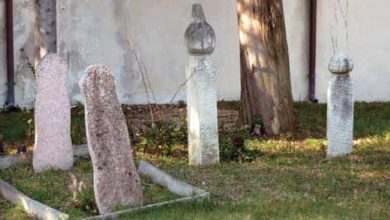
The research also sheds light on the area immediately surrounding Hagia Sophia. Professor Diker discussed the history of the Fatih Madrasa, an Islamic school commissioned by Sultan Mehmed II after his conquest of the city. The history of this Ottoman institution is of particular interest to fans of series like Mehmed: Sultan of Conquests. The original madrasa was later demolished and rebuilt before being removed entirely.
Officials are now developing plans to make portions of the newly cleared underground tunnels and structures accessible to the public. An exhibition project is being prepared to showcase the archaeological remains, allowing visitors to see the deep layers of history beneath one of the world’s most famous buildings.
Source: Türkiye Today
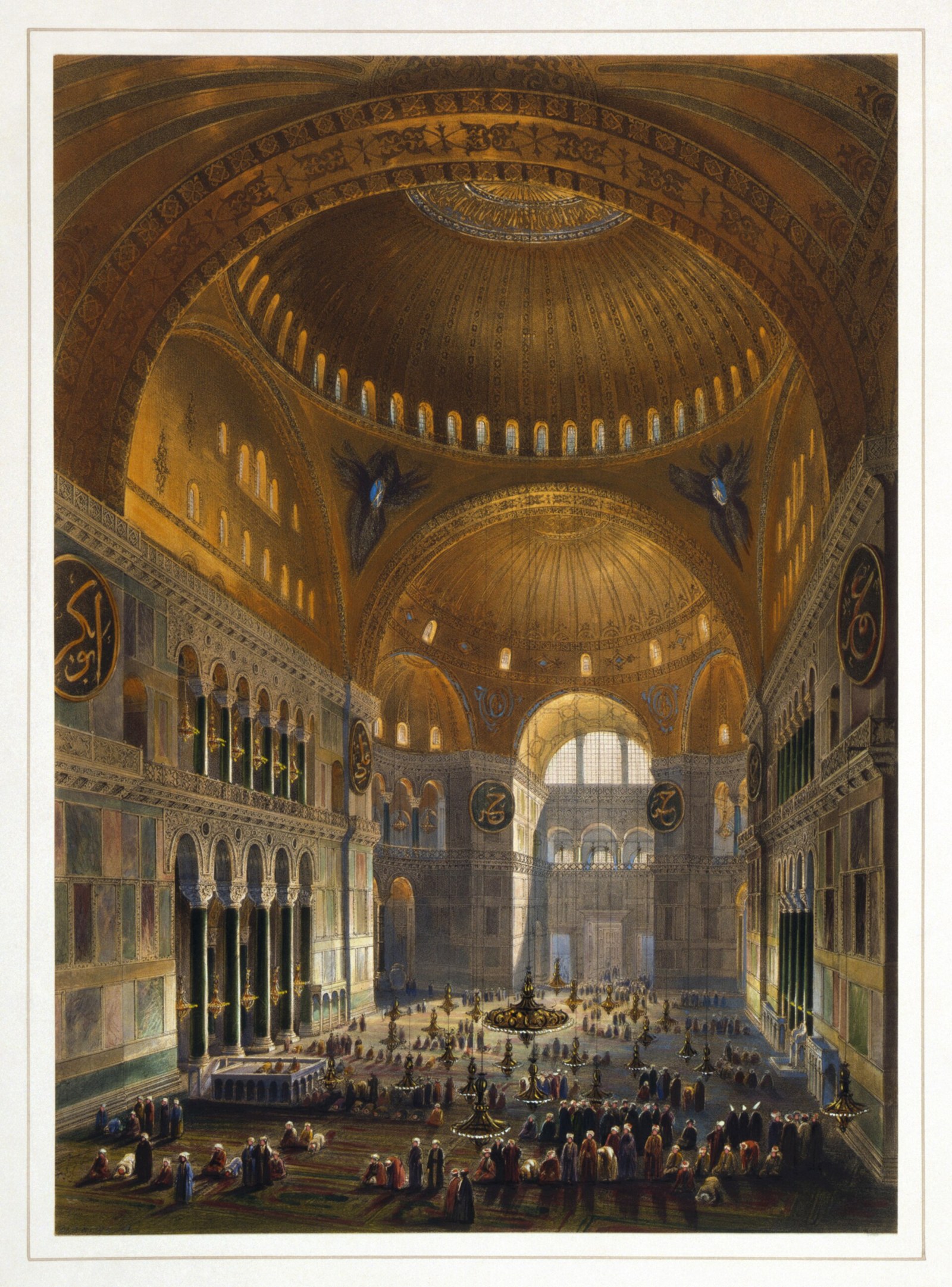
Featured image: Gaspare Fossati (artist, 1809-1883) Louis Haghe (lithographe / Wikimedia Commons, Public domain