Rauf Pasha Namazgah in Erzurum: A Prayer Site, Not a Tomb
A domed 1823 Ottoman prayer site in Erzurum is often mistaken for a tomb.
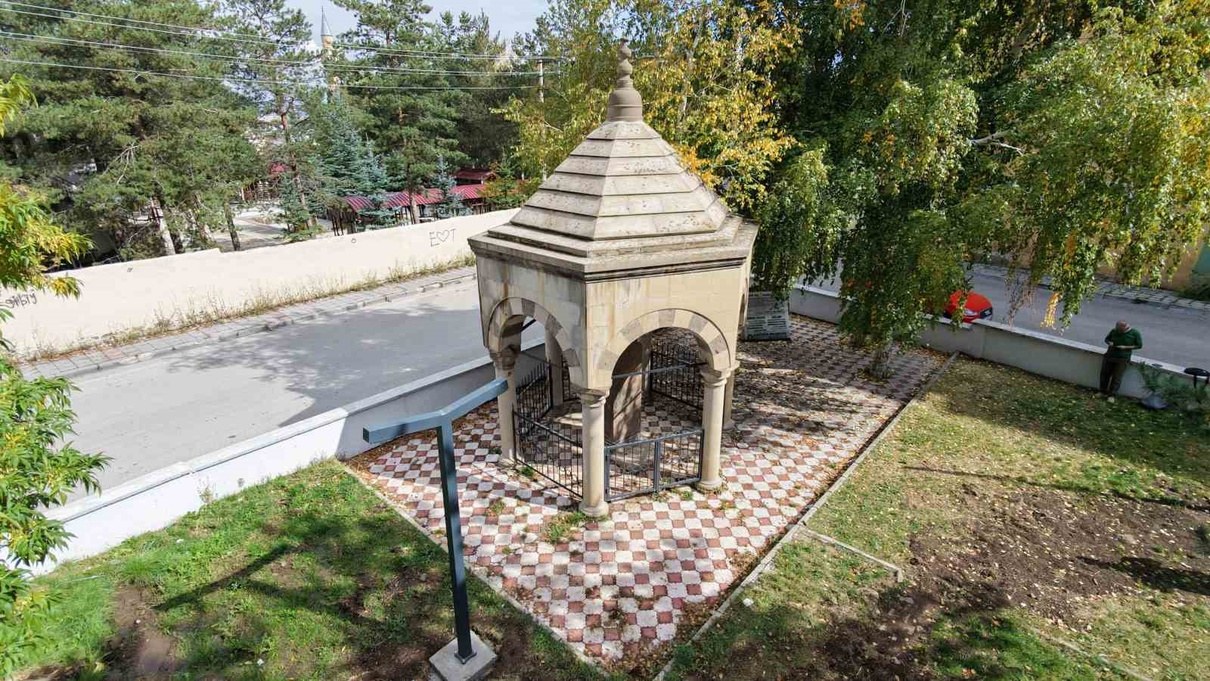
The Rauf Pasha Namazgah in Erzurum is an open-air Ottoman prayer site built in 1823, yet many locals reportedly take it for a tomb. According to a SonDakika report, the inscription and carved motifs on its mihrab stone show what it was really for.
The monument stands in the Palandöken district, in the Yukarı Köşk neighbourhood, south of Köşk Park. Today a dome covers it, and its surroundings are protected.
What a namazgah was and why it was built
A namazgah is an open-air place for prayer. In the Ottoman period, communities built them where no mosque or small mosque (mescit) stood nearby. They often appeared in picnic areas and along travel routes.
The report says Mehmet Emin Rauf Pasha, the governor of Erzurum at the time, had this one built in 1823. Researcher and author Taner Özdemir explained the reasoning. The Yukarı Köşk area was a popular outing spot, and visitors found it hard to pray there.
Reading the mihrab stone of the Rauf Pasha Namazgah
The mihrab is the niche that shows the direction of prayer. Here it is a stone carrying an inscription (kitabe), and it is the main clue to the building’s history.
According to the report, plant motifs decorate the top of the stone. A text panel sits in the middle, and a lamp (kandil) motif marks the bottom. Özdemir described the middle part as a plaque. The report does not give the inscription’s wording, so this article does not quote it.
A fountain (çeşme) also stood on the south face of the mihrab stone in the past. It has not survived. Özdemir said the fountain no longer runs.
Why the building is protected today
To prevent damage, the site is fenced off, and a dome now covers it. That arrangement may help explain why some visitors mistake it for a grave. The report says only that many people think it is a tomb. It does not say why.
Özdemir called the namazgah one of Erzurum’s important spiritual and tourism routes. This is his opinion, and the report does not mention any official tourism plan.
For readers of Ottoman history, the site is a small example of how provincial governors shaped everyday religious life. Such structures are less famous than mosques and caravanserais, but they show how the state provided for travellers and townspeople outside the main prayer buildings.
Source: SonDakika
Featured image: SonDakika