Ahlat Kayı Cemetery: 1228 Tombstone Hints at Kayı Tribe Link
Excavations in Bitlis date the burial ground from the early 13th to the late 18th century.
The Kayı Cemetery in Ahlat, in Türkiye’s Bitlis province, has been landscaped and walled with local stone. Excavations there turned up a tombstone fragment dated 1228, and bone analyses suggest the burial ground was used for roughly 600 years. According to the reports, these findings make a link to the Kayı tribe more plausible, though they do not prove one.
Watch the latest episode with English subtitles on OsmanOnline.live
▶ Kuruluş Osman Episode 194 With English Subtitles · All Kuruluş Osman episodes
The news was published on 20 November 2026 and comes from the İHA news agency, via SonDakika. The site is known locally as the Kayı (Kaya) Cemetery.
What the Ahlat Kayı Cemetery research found
In 2024, the Ahlat Museum Directorate led surface surveys and ground-penetrating radar scans. The work was part of a wider effort to locate the graves and tombs of important figures in Turkish history. The stated aim here was to find the grave of Kayı Alp Han. The reports do not say that this grave was found.
Teams then levelled about 1,000 square metres of ground and dug test pits at six points. The excavation, cleaning work and bone tests showed that people used the cemetery from the early 13th century to the late 18th century.
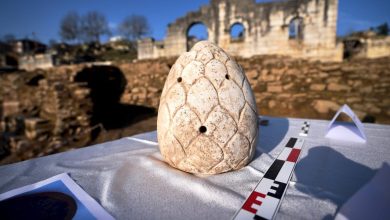
One find stood out: a fragment of a written tombstone (a “şahide”, the inscribed marker over a grave) bearing the Common Era date 1228. The reports say this date matches the period in which historical sources place the Kayı tribe’s move to Ahlat.
Why a Kayı tribe link is still only a possibility
The wording in the reports is cautious. The evidence “strengthens the possibility” that the cemetery was in use from the Kayı period. A date on one fragment shows when someone was buried there. It does not show who that person was or which tribe they belonged to.
The reports add one more point in favour of the idea. Local people have long called the place the Kayı Cemetery. That is useful as local tradition, but it is not documentary proof. Until scholars publish their findings, the tribal link should be read as a working hypothesis.
For readers of Turkish historical drama, the Kayı name is familiar. Ottoman tradition traces the dynasty to the Kayı tribe. Even so, the origins of the early Ottomans are discussed by historians, and a single cemetery in Ahlat does not settle that debate. The series Kuruluş Osman dramatizes this era, but it is a television drama and not a historical record.
Walls of Ahlat stone and a Kayı tamga on the gates
The local district governorate (Kaymakamlık) began the landscaping to protect the site and keep grazing animals out. In 2025, builders raised the east wall, which runs beside a stream. In 2026, the south wall and then the north wall followed, the latter in Ahlat stone to match the historic character of the town.
The entrance gates are also made of Ahlat stone. They carry a Kayı tamga, a tribal emblem of the kind Turkic tribes used as marks of identity. Ahlat stone is the local volcanic stone that has shaped the town’s architecture for centuries.
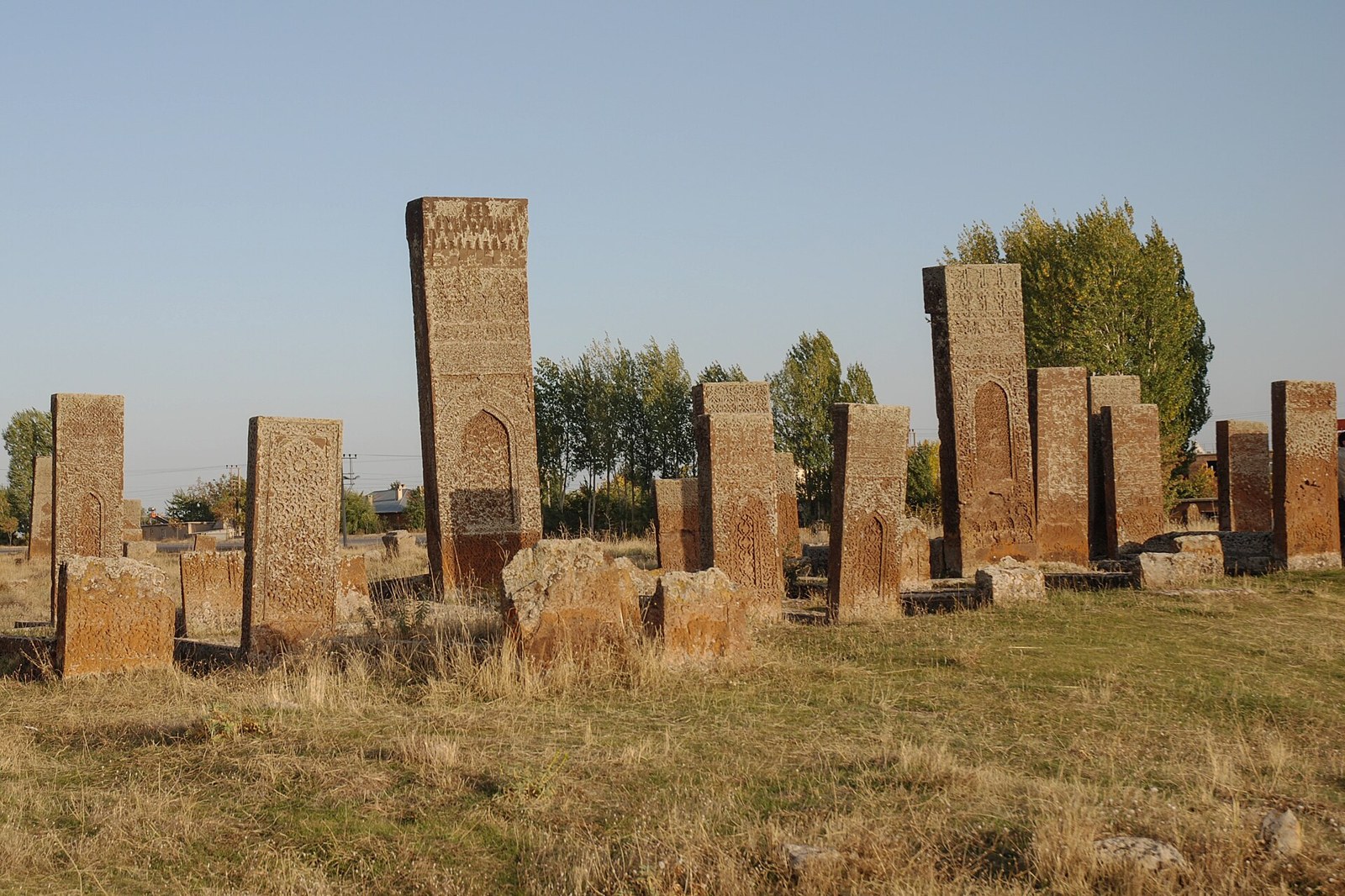
The Kayı Cemetery is separate from the much larger Ahlat Seljuk Cemetery, the town’s famous field of carved medieval tombstones. Further scholarly study of the 1228 fragment would show whether it can be tied to the Kayı tribe.
Source: SonDakika (İHA)
Featured image: Zorka Sojka / Wikimedia Commons, CC BY-SA 4.0