Battle of Pasin 1048: Author Says Geography Holds the Key
Author Hakan Hadi Kadıoğlu urges a geographical reading of the 1048 Seljuk-Byzantine clash.
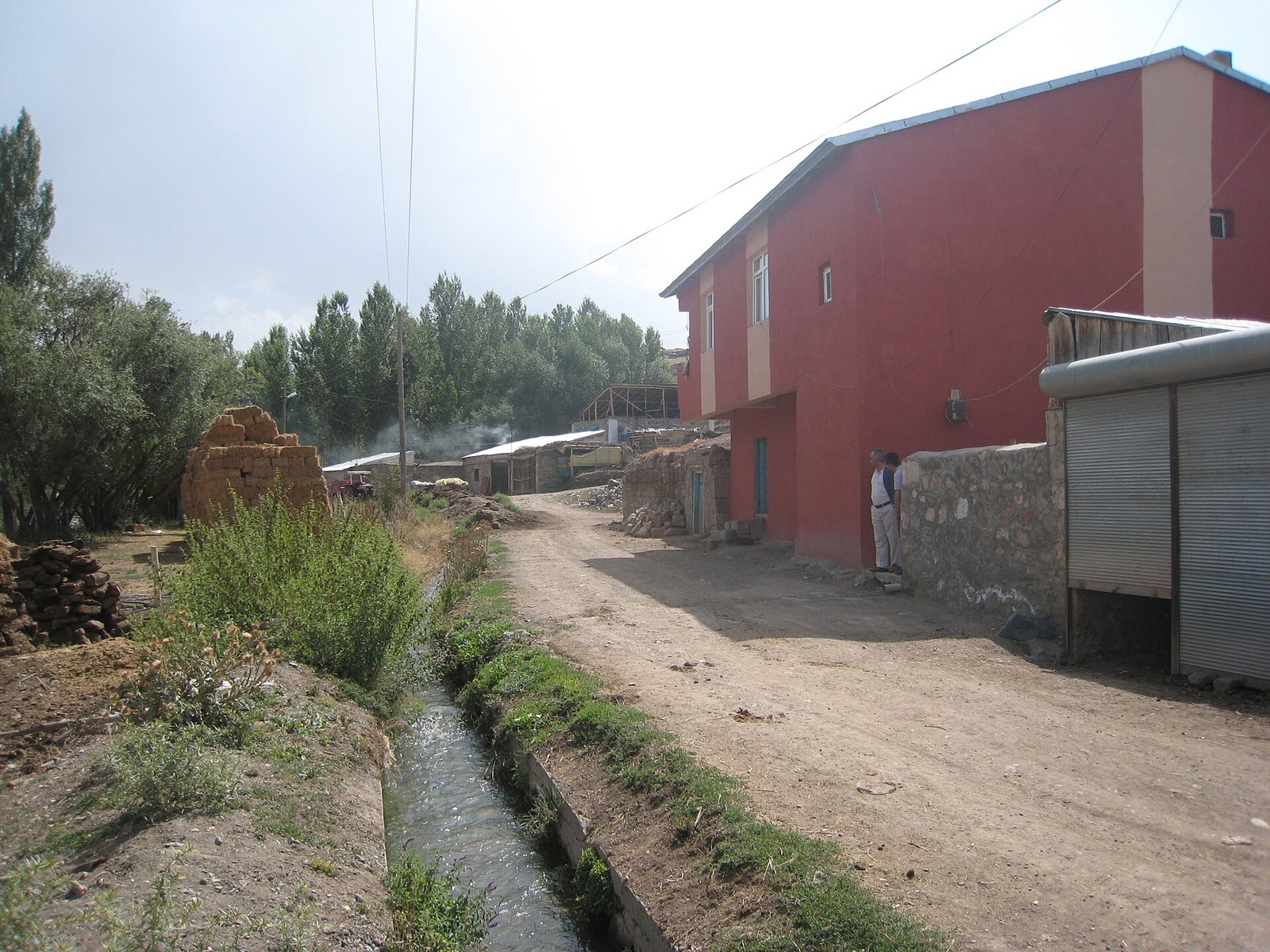
The Battle of Pasin in 1048 cannot be understood from written sources alone, author Hakan Hadi Kadıoğlu argued at the 8th Erzurum Book Fair. He presented his book “Pasin-1048 Sınırın Çöküşü” (Pasin-1048: The Collapse of the Frontier) to readers at the fair, which Erzurum Metropolitan Municipality organised. His main message is that terrain, passes and water routes must be read alongside the chronicles.
Watch the latest episode with English subtitles on OsmanOnline.live
▶ Alparslan Buyuk Selcuklu Season 2 Episode 61 with English Subtitles · All Alparslan: Büyük Selçuklu episodes
The talk matters because the battle marks an early Seljuk clash with Byzantine and Georgian forces on the eastern frontier of Anatolia. Kadıoğlu also warned against turning a debated episode into a settled story.
Why the Battle of Pasin needs a geographical reading
Kadıoğlu said knowing a place means more than knowing its roads, villages and mountains. In his view, researchers should ask how passes, rivers and settlements shaped the movements of people and armies.
He described historical Pasin as a wider basin than today’s district. He pointed to links between Erzurum, the Deveboynu and Kargapazarı passes, and the Aras basin. Large armies, he added, cannot be explained by distance alone. Water, food, crossing points and meeting places for units all matter.
Disputed places and careful claims
The author said a view does not become true just because people repeat it often. He discussed the debate over Artze, a settlement destroyed during the campaign. It is commonly linked to Karaz, present-day Kahramanlar. Kadıoğlu said the village of Ardı in Horasan should also be examined.
He stressed that this is not a final identification. For the battlefield itself, he highlighted the wide Pasin plain east of Hasankale, around Alvar and Ügümü, as a strong candidate area for research. He made clear that this is not a declared, archaeologically confirmed battlefield.
Victory is not the same as lasting control
According to Kadıoğlu, Byzantine, Armenian, Georgian and Islamic writers described the battle in different ways. He urged caution with figures for troops, losses and prisoners. Numbers for a whole campaign, he said, should not be presented as the toll of one battle.
He named the Seljuk commander İbrahim Yınal and, on the opposing side, Aaron, Katakalon Kekaumenos and the Georgian prince Liparit. He called Liparit’s capture an important result, both militarily and politically.
Kadıoğlu calls Pasin a Seljuk victory in his book. He does not see enough evidence, however, that the Seljuks set up lasting administration there in 1048. He said this does not reduce the victory’s importance. He also finds it too narrow to describe Pasin only as a “rehearsal” for Malazgirt (Manzikert, 1071), though he accepts a historical continuity between the two events.
Names and outcomes differ across sources
Other references often call the same clash the Battle of Kapetron and place it near modern Pasinler. They give its date as 10 or 18 September 1048. Historians also describe its outcome differently, and some summaries call it inconclusive. This shows why Kadıoğlu asks readers to separate what the sources say from what a researcher infers.
Viewers who enjoy Seljuk-era dramas, such as Alparslan: Büyük Selçuklu, should remember that television storylines are not historical evidence. Scholarly debates like this one show how much remains open.
Kadıoğlu said his work does not end the discussion. He summed up its aim as not retelling 1048, but understanding it anew.
Source: SonDakika (İHA report)
Featured image: Wikimedia Commons, CC BY-SA 3.0