Gelin Hamamı in Çarşamba Becomes an Art Gallery
Çarşamba Municipality restored the Ottoman bathhouse as the Ferhan Şensoy Art Gallery.
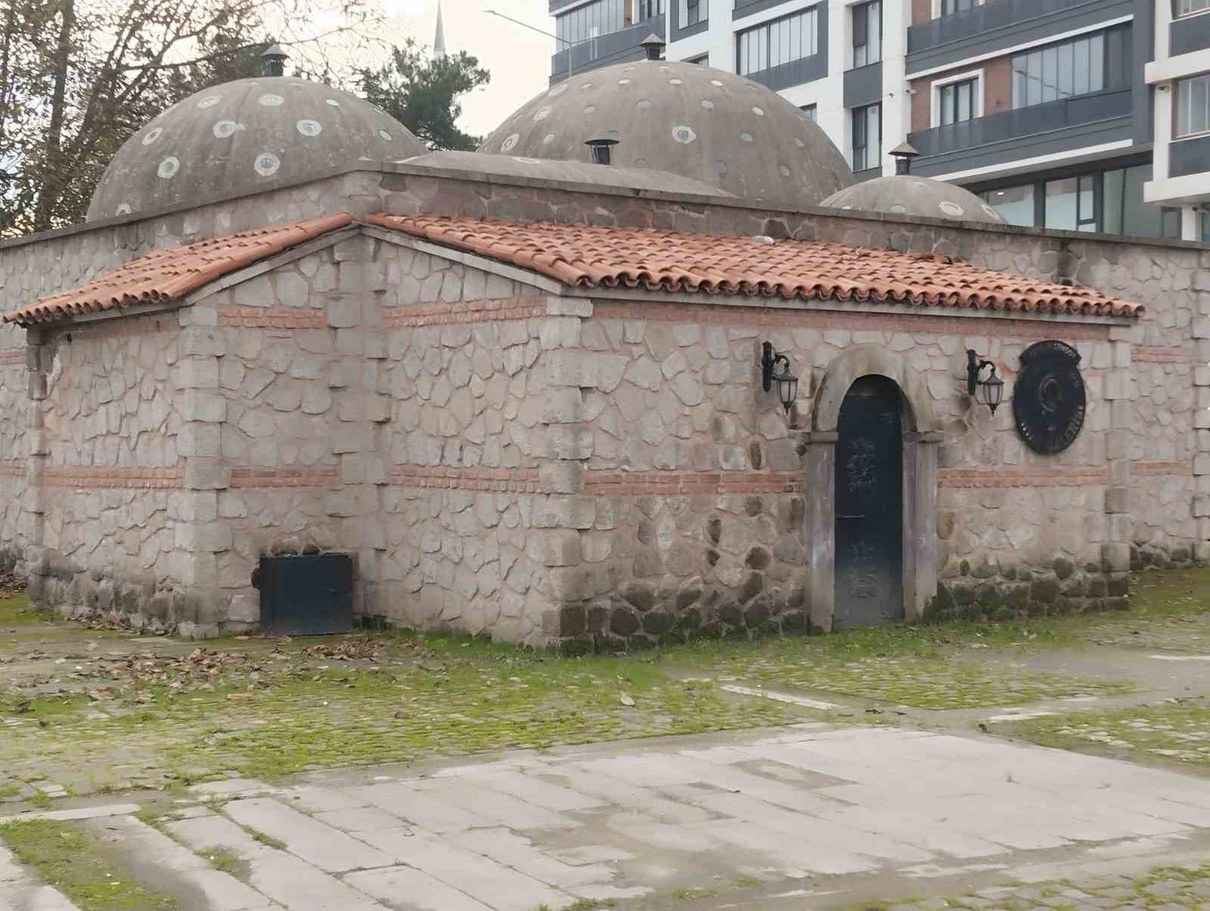
The Gelin Hamamı in Çarşamba, an Ottoman bathhouse on the Yeşilırmak river in Samsun province, has been restored and turned into the Ferhan Şensoy Art Gallery. Çarşamba Municipality carried out the work, according to SonDakika. The building keeps its hamam architecture and now hosts cultural and art events.
The bathhouse is also known as the Emirgan Hamamı. It is one of the Ottoman-era structures that have survived on the Black Sea coast.
What the Gelin Hamamı Looks Like
The hamam has three main sections and a changing area. These are the cold room (soğukluk), the warm room (ılıklık) and the hot room (sıcaklık). Together they follow the standard order of an Ottoman bath, where bathers moved gradually from cool to hot.
Two features stand out. The first is a traditional heating system called a cehennemlik, a furnace area that warmed the bath. The second is the filgözü, small openings in the domes that let in natural light. The name means “elephant’s eye” in Turkish.
The Ministry of Culture and Tourism’s Samsun page also describes three domed rooms and a dressing room. It notes that part of the dressing room had collapsed and was closed off.
How Old Is the Bathhouse?
The exact construction date is unknown. The SonDakika report says the architecture points to a period between the second half of the 18th century and the second half of the 19th century. The Samsun provincial culture page instead dates the hamam to the 17th and 18th centuries.
These estimates differ, so the date remains an open question. The reports do not say which documents or surveys support either range.
A Gallery With a Local Connection
The gallery carries the name of Ferhan Şensoy, the late Turkish theatre actor and writer, who has ties to Çarşamba. A tribute in Haber Gazetesi says he finished high school at Çarşamba Lisesi. The source does not explain why the name was chosen, so this article does not guess the reason.
Hamams were more than places to wash in Ottoman towns. They were social spaces, and many survive today as museums, galleries or cultural venues. The Çarşamba project follows that pattern. It preserves the architecture and gives the building a public role.
The reports do not give an opening date, a programme or the cost of the restoration. Those details would show how the gallery plans to use the space.
Source: SonDakika (İHA)
Featured image: SonDakika