Goethe and Mevlana Concert Comes to CSO Ada Ankara
A choir, piano and ney perform Brahms, Theofanidis and Erdener on 14 November.
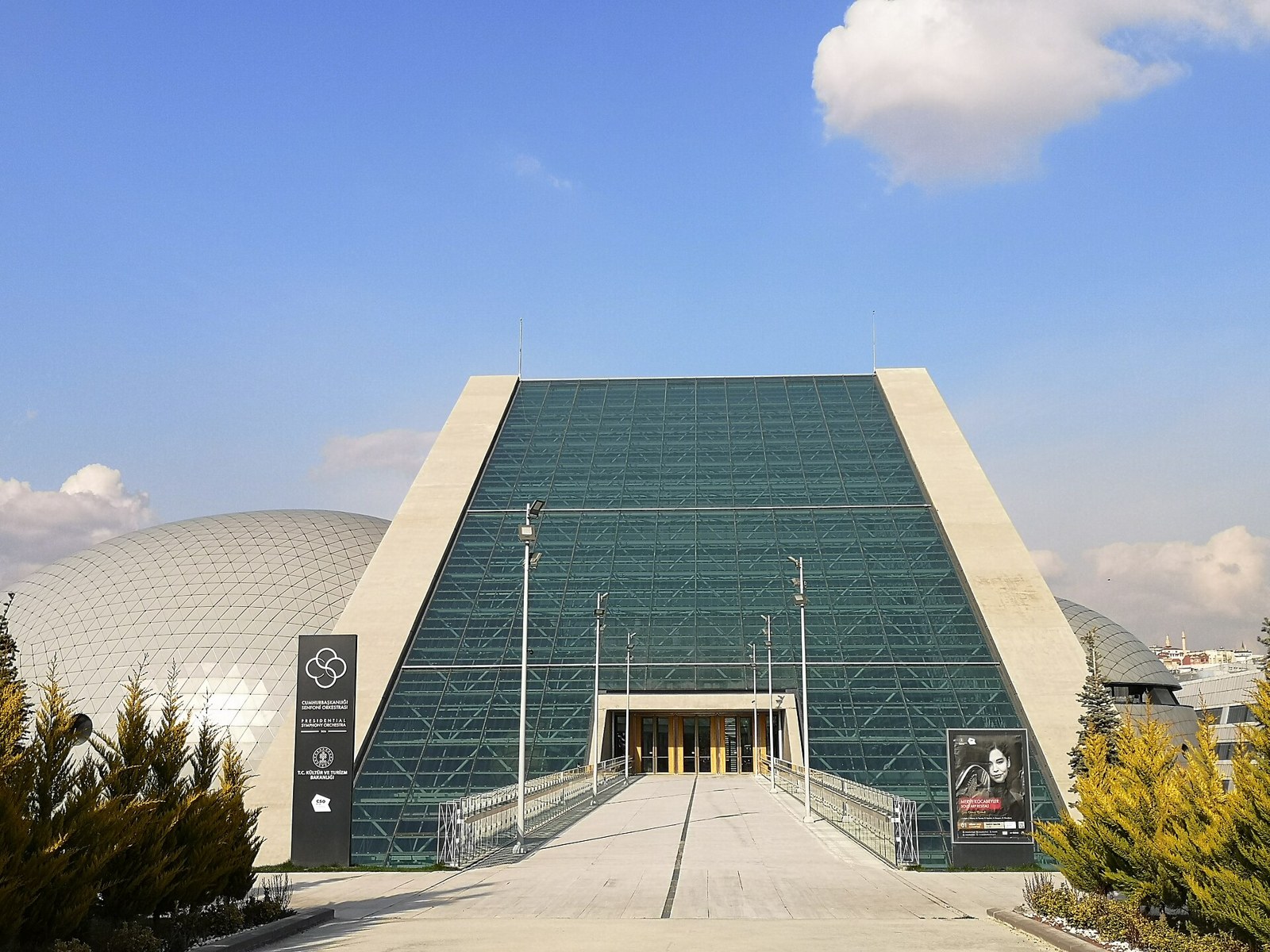
The Goethe and Mevlana concert, titled “Batı Doğu Divanı – Goethe ve Mevlana” (West-Eastern Divan), takes place on Saturday, 14 November 2026, at 20:00. The venue is the Tarihi Salon (Historic Hall) of CSO Ada Ankara. The programme pairs a Western choral tradition with the thought of the 13th-century poet Mevlânâ, known in English as Rumi.
According to Hürriyet, the evening is part of the Devlet Çoksesli Korosu DenizBank Concerts. Devlet Çoksesli Korosu is Turkey’s State Polyphonic Choir. Georg Grün conducts, Gülce Sevgen plays piano, and Süleyman Yardım plays the ney, the reed flute at the heart of Mevlevi music.
What the Goethe and Mevlana concert will perform
The programme includes works by Brahms, Theofanidis and the Turkish composer Turgay Erdener. The report names these composers but does not list individual pieces or their order.
The highlight is Erdener’s musical dialogue built on the first 18 couplets of Mevlânâ’s Mesnevî. The Mesnevî is his long poem in rhymed couplets. Those opening lines are known as the Neynâme, or “Song of the Reed”. They use the ney as a metaphor for separation, longing and the soul’s search for its origin.
Hürriyet says the concert will read Goethe’s interest in Eastern literature alongside Mevlânâ’s reflections on human life and existence. It describes the result as a shared expression of two traditions from different eras and places.
Why Goethe and Mevlânâ meet on one stage
The concert title echoes Goethe’s collection of poems, the West-östlicher Divan. A Turkish edition published by Hece notes that Goethe began preparing the work after reading the Persian poet Hafiz in Joseph von Hammer’s translation in 1814. The book is a landmark of European engagement with Eastern poetry.
Mevlânâ’s Neynâme gives the programme a natural bridge. The ney’s voice is a long-standing symbol in Turkish and Islamic culture, and here it joins a modern choir and piano. For readers who follow Turkish historical series, this is the same Anatolian Sufi heritage that often sits behind Seljuk and early Ottoman stories. The concert, however, is a musical interpretation, not a historical reconstruction.
Tickets and practical details
Tickets are sold on the CSO Ada Ankara and Biletinial websites, in the SanatCepte app, and at the Biletinial box office in the CSO Ada Ankara foyer. The report gives no ticket prices.
The concert takes place one day after this article’s publication. Anyone planning to attend should check the venue’s official channels for any last-minute changes.
Source: Hürriyet
Featured image: Gargarapalvin / Wikimedia Commons, CC BY 4.0