Horoztepe Artifacts Echo Alacahöyük’s Royal Tomb Finds
An archaeologist links Horoztepe finds to Alacahöyük and urges rescue excavations in Tokat.
Early Bronze Age artifacts from Horoztepe in northern Türkiye resemble objects from the 13 royal tombs at Alacahöyük, according to archaeologist Semih Yaşar Çizikci. He says new excavations at Horoztepe could reveal who made them. The objects offer a rare look at how Anatolian metalworkers and their communities lived more than 4,000 years ago.
Çizikci heads the Archaeology Department at Tokat Gaziosmanpaşa University. Horoztepe lies in the Erbaa district of Tokat province. He spoke as public attention returned to the site after 40 Horoztepe-origin artifacts came back to Türkiye.
What the Horoztepe artifacts reveal
The burial finds date to roughly 2200 to 2000 B.C., according to Çizikci. In his view, they shed light on the metalworking traditions and religious beliefs of the period. Metal vessels, weapons and ceremonial items from such graves often show how a community honoured its dead and ranked its elite.
Scientific interest in Horoztepe began in the 1950s. Archaeologists Tahsin Özgüç and Mahmut Akok carried out the early research. Özgüç’s work is also cited in reports on the recent repatriation as a basis for tracing the objects to the site.
The Alacahöyük link and the looting problem
Alacahöyük, in central Türkiye, is another major Early Bronze Age site. Its 13 royal tombs are among the best-known burial discoveries from this period in Anatolia. Çizikci says Horoztepe objects share notable similarities with them. That points to related craft traditions, though he did not say the two sites were directly connected.
A serious obstacle remains. Many Horoztepe artifacts were recovered after illegal excavations, so their exact findspots are lost. Without that context, archaeologists struggle to say how the objects relate to graves, settlements and nearby communities. This is why Çizikci stresses systematic investigation.
Return from abroad and a call for rescue excavations
Reports describe the 40 Horoztepe pieces as part of a group of 100 artifacts that Türkiye received from the United States in early November 2026. Çizikci called the return culturally significant. He added that protecting the original site matters just as much as recovering the objects.
He warned that intensive construction and farming around Horoztepe are making evidence harder to recover. He therefore called for rescue excavations, meaning archaeological work done to document and protect remains threatened by development or other activity. He argues these should happen before more evidence is lost.
No excavation programme has been announced in the source material. For now, the returned objects and the old research records are the main routes to understanding Horoztepe.
Source: Türkiye Today, Anadolu Agency
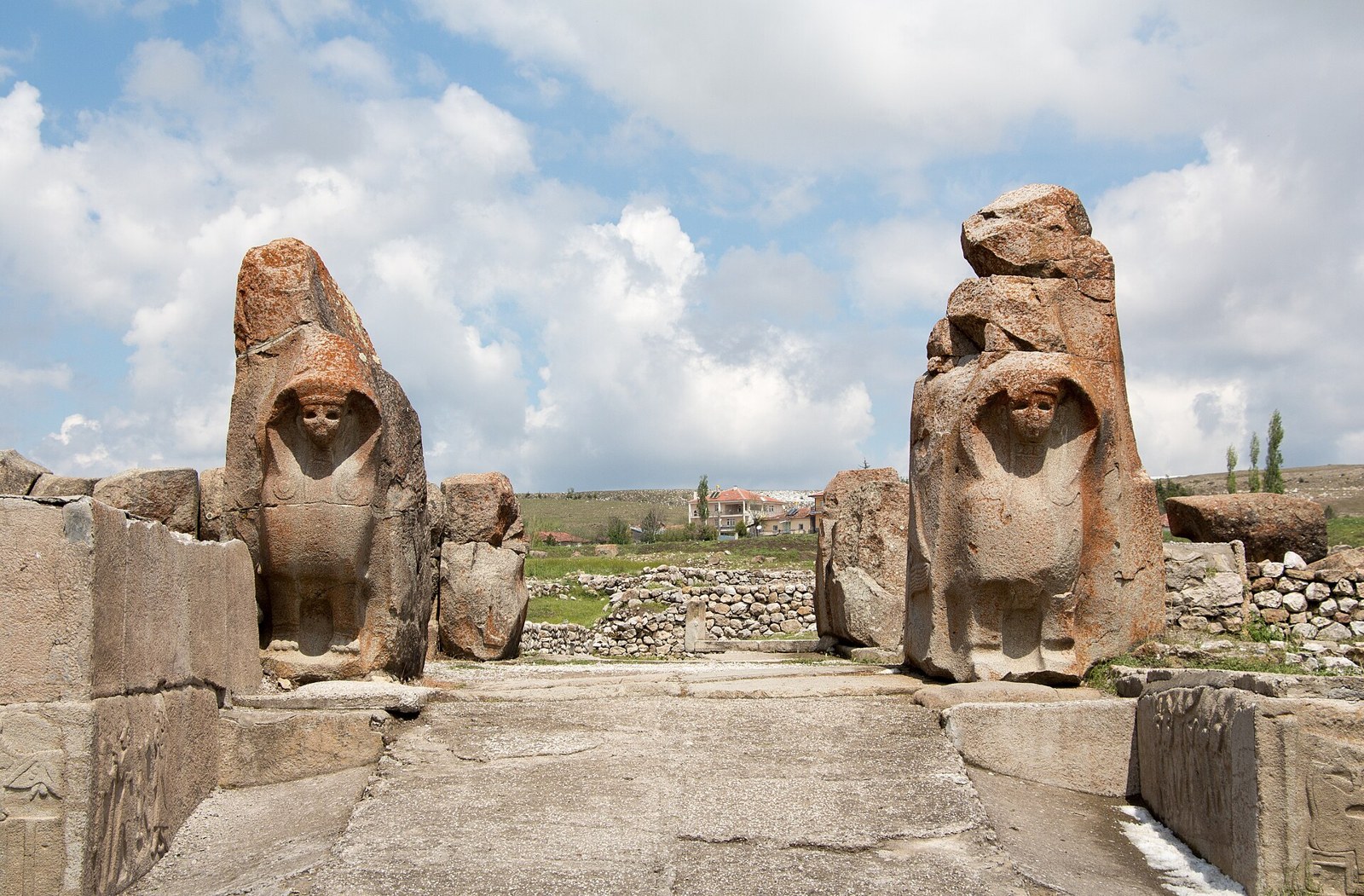
Featured image: Bernard Gagnon / Wikimedia Commons, CC BY-SA 3.0