Iliad Manuscript From Mehmed II’s Library Studied Anew
A Topkapı copy of Homer may come from a 12th or 13th century Istanbul workshop.
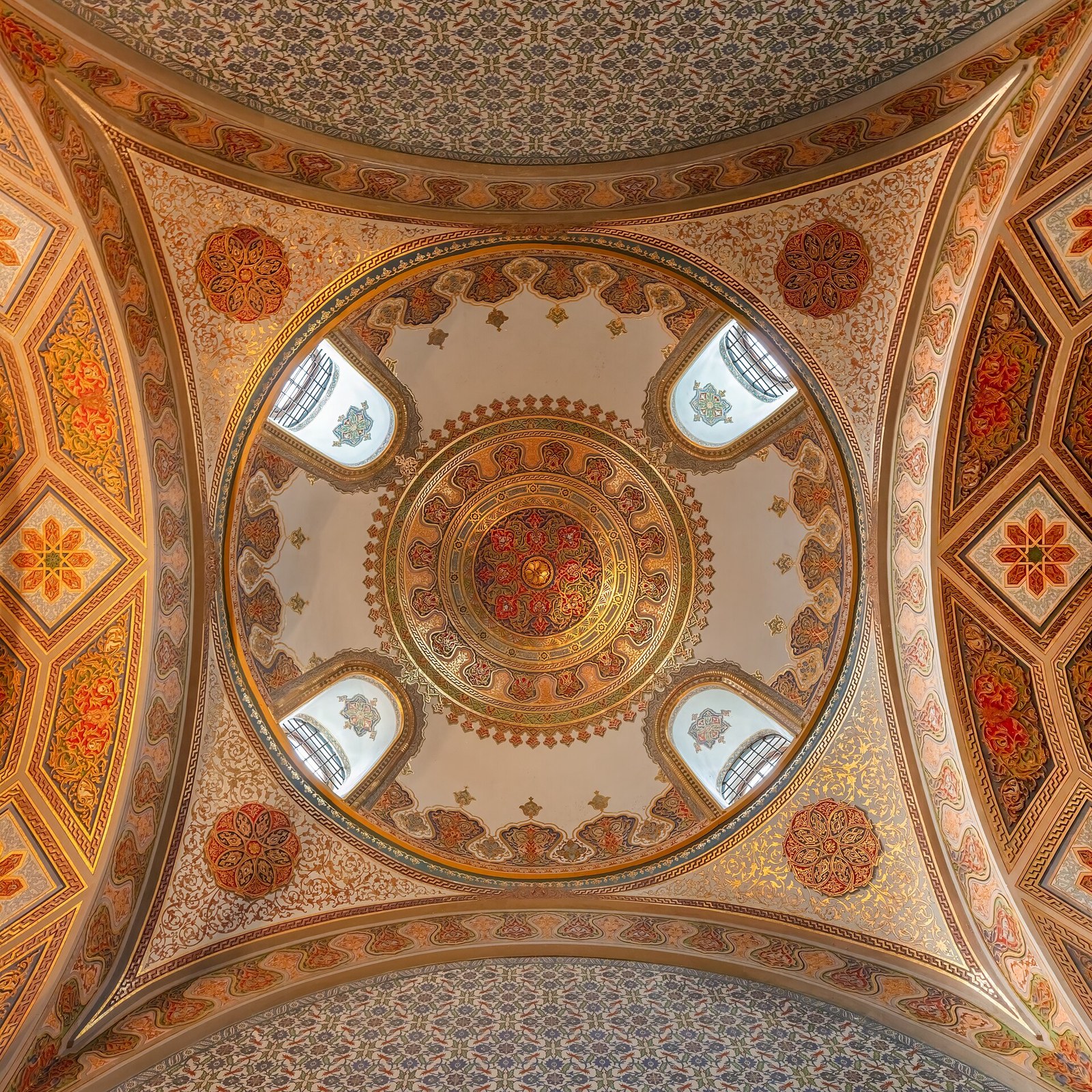
A previously unstudied copy of Homer’s Iliad from the personal library of Sultan Mehmed II may have been made in an Istanbul workshop in the 12th or 13th century. Professor Hamdi Sahin of Istanbul University presented the findings on 10 November 2026. The Iliad manuscript is held at Topkapı Palace.
The study reads the book’s script, decoration and marginal notes as signs of organized professional production. Sahin says the results are being shared publicly for the first time.
What the Iliad manuscript looks like
The volume has 260 paper leaves, bound between wooden covers wrapped in decorated leather. It measures roughly 26 by 20 centimetres.
The main text is written in large, rounded Greek letters. Smaller, tightly spaced writing fills the margins with explanations of verses, mythological references and rare words. Headings, capitals and signs pointing to marginal notes appear in red ink.
The researchers see this system as evidence of an organized workshop. Abbreviations, letter combinations and decorative endings also suggest a highly skilled scribe. Red interlacing patterns, floral motifs and geometric diagrams help separate sections and guide the reader.
The book opens with an account of Homer’s life, ancestry and birthplace, followed by summaries of the Iliad’s books. The epic itself begins on the seventh leaf and runs to the last verse.
Why the marginal notes matter
These margin notes are called scholia: ancient and medieval comments that interpret verses, explain vocabulary and give background on myths. According to Sahin, the scholia here come from more than one manuscript tradition. That suggests the Istanbul copyist combined material from different sources.
The study also compares the manuscript with two famous early copies, Venetus A and Townleyanus. The report links these to manuscripts taken from Istanbul to Venice and donated to the Marciana Library by Cardinal Bessarion in the 15th century.
Researchers suggest the Istanbul copy may be an intermediate stage in the transmission of Homer’s text. It could therefore have influenced copies made in the 13th, 14th and 15th centuries. Spelling differences in some Greek words might also record language changes across repeated copying. These are the study’s proposals, not established conclusions.
“Our manuscript, which we have named after Istanbul, falls precisely between the early copies and those produced in the 14th and 15th centuries,” Sahin said. He added that it may have served as a model for later copies.
Ownership and Mehmed II’s library
A Greek inscription ties the book to Patriarch Gennadius II. French and Ottoman Turkish labels, inventory records and a stamp from the Topkapı Palace Registration Commission also appear inside the cover. Together they document its later custody.
The report does not say when or how the manuscript entered Mehmed II’s collection. Sahin stresses that its place in the sultan’s personal library adds to its significance, since its text had never received a dedicated scientific study. The findings therefore illuminate the library’s contents more than the sultan’s own reading habits.
Viewers of Mehmed: Sultan of Conquests know the ruler mainly through drama. The series is a dramatization, and a manuscript like this one is a physical record that scholars can test against other copies.
The research began in February 2026. Sahin noticed a possible spelling error while preparing an article on Homer, then turned from modern editions to historical manuscripts. The team also found edge damage on two leaves and plans to reconstruct the missing passages by comparing other surviving copies.
Source: Türkiye Today
Featured image: Diego Delso / Wikimedia Commons, CC BY-SA 4.0