Kültepe Dig Finds First Hellenistic Mosaic-Floor Building
Kayseri's Kültepe dig reports its first Hellenistic building with a mosaic floor bed.
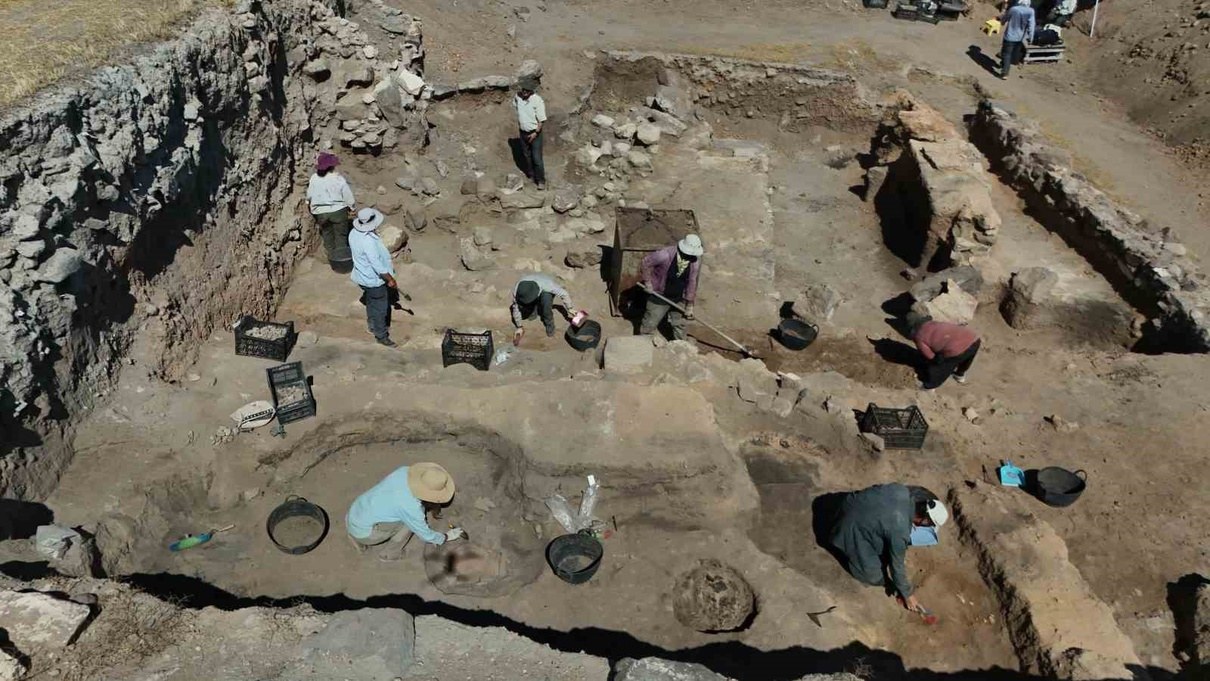
Archaeologists at Kültepe Kaniş-Karum in Kayseri have uncovered the remains of a Hellenistic-period building with a mosaic floor. Excavation head Prof. Fikri Kulakoğlu says it is a first in about 78 years of digging at the site. The find adds a new chapter to a place best known for its Bronze Age trade story.
Culture and Tourism Minister Mehmet Nuri Ersoy announced the discovery on social media, calling it a first in Kültepe’s 78-year excavation history. Kulakoğlu later explained the find in a conference at the Yeni Ufuklar Derneği (an association) and in comments to the İHA news agency.
What the Kültepe team actually found
According to Kulakoğlu, the team uncovered a large building, though it is damaged. Its walls survive, along with part of the bed that once held the mosaic. The mosaic stones themselves are gone.
Even so, he says the structure changes how researchers see the period. It suggests that Kültepe had monumental buildings in the Hellenistic era, not only simple homes.
The work continues a project that began last year. This season’s dig also produced small finds not seen at Kültepe before. Kulakoğlu said some of them recall long-distance trade routes, although the evidence for the buildings that went with them had been weak until now.
Why a Hellenistic building matters at a Bronze Age site
Kültepe has been excavated for almost 80 years, mostly for its Bronze Age levels. Kulakoğlu said those results matter for world history. The site is widely known as the ancient Anatolian trading hub of Kaniş, with a history of around 6,000 years.
The later levels, from shortly before and after the start of the Common Era, were harder to study. Kulakoğlu explained that farming and illegal digging had damaged the surface in many areas. As a result, researchers dated those periods mainly from pottery sherds and small finds, with few buildings to examine.
Earlier digs mostly exposed ordinary houses from the late periods. Only one structure was a possible sacred space. A large building with a mosaic floor bed therefore gives the team its first real architectural evidence for a more important Hellenistic settlement.
What is still unknown about the Kültepe mosaic
The Hellenistic period is commonly dated from the death of Alexander the Great in 323 BC to the Roman takeover in 30 BC. The reports do not say exactly when the Kültepe building was used or what it served as. They also give no details of its decoration.
Those questions will depend on further excavation and study. For now, the confirmed point is simple: Kültepe’s story now includes a monumental Hellenistic building, along with the Bronze Age records that made the site famous.
Source: SonDakika (İHA)
Featured image: SonDakika