Is Mehmed: Fetihler Sultanı Historically Accurate? The Conquest on Screen
Is it accurate? Series vs real history
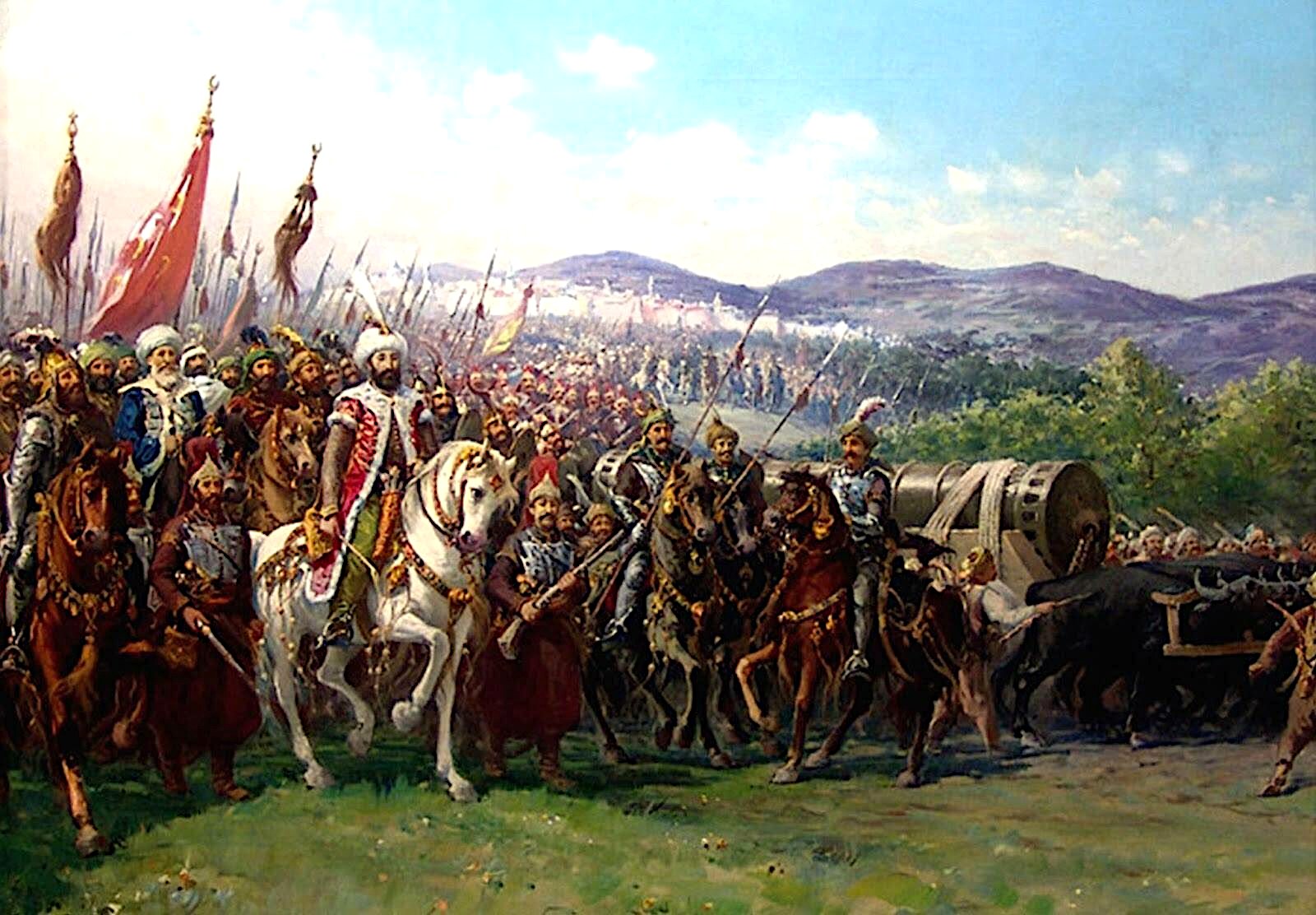
Mostly yes in outline, but not in detail. Mehmed: Fetihler Sultanı (Mehmed: Sultan of Conquests) follows a real event, the Ottoman capture of Constantinople on 29 May 1453, and real people. Its dramatic engine, though, is personal intrigue, rivalry and destiny, and much of that is the writers’ work. This article separates the three layers: what the sources say, what is tradition, and what the series adds.
Watch the latest episode with English subtitles on OsmanOnline.live
▶ Mehmed Fetihler Sultani Episode 92 (Season 4 Episode 9) With English Subtitles · All Mehmed: Fetihler Sultanı episodes
This is part of our series Is it accurate?
What the series is
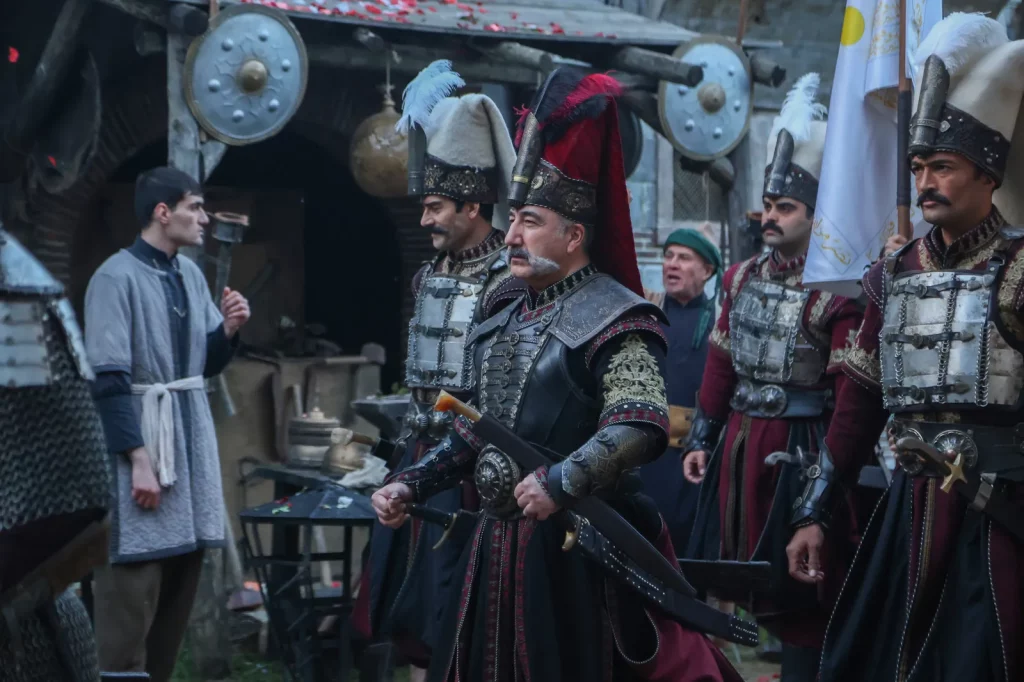
The show is a TRT 1 production, the Turkish state broadcaster, which began airing on 27 February 2024. Serkan Çayoğlu plays Sultan Mehmed II and Selim Bayraktar plays the vizier Çandarlı Halil Pasha. The early plot, as Turkish press summarised it, runs from the death of Prince Alaaddin and Murad II’s withdrawal to Bursa, through Mehmed’s first, short reign and a clash with Çandarlı, to his exile and a promise to return. The foreign sets were built at the Nour Cinema City studio in Iran. Later episodes reach the siege itself.
The context matters. At the gala, Turkey’s Communications Director Fahrettin Altun described Mehmed as a ruler who institutionalised the Ottoman state, quoted the historian Halil İnalcık in praise of him, and said Ottoman history had long been suppressed. That is a clear statement of intent. The series is a heroic portrait made with state backing, so viewers should expect a flattering Mehmed.
What the sources say about 1453
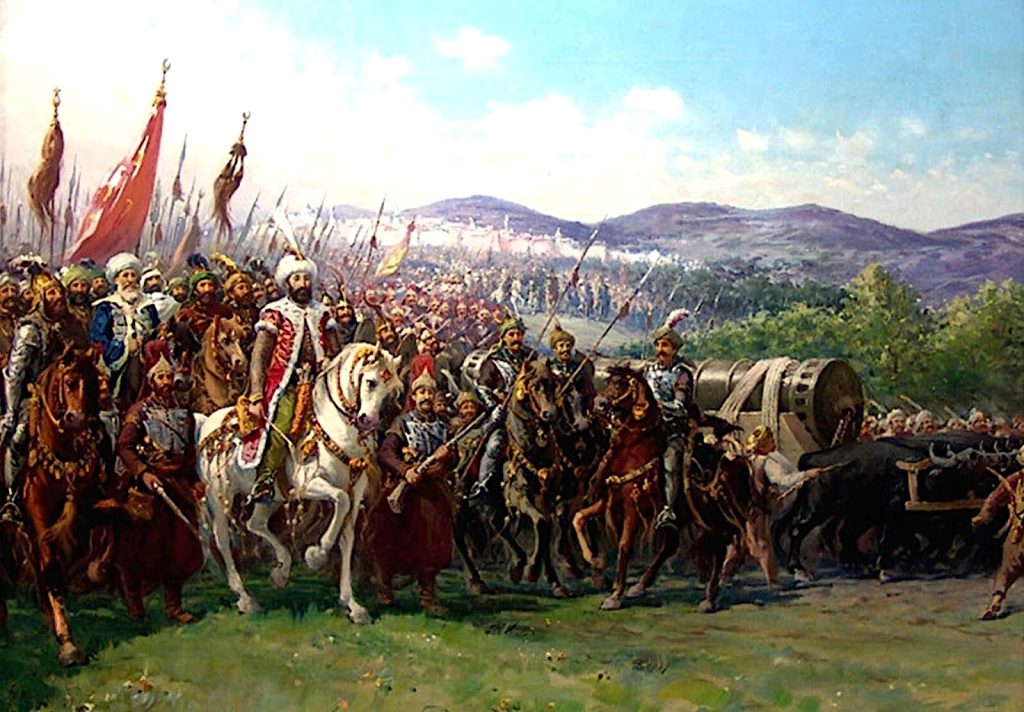
The siege is well documented by people on both sides. Greek writers such as George Sphrantzes, an eyewitness, and Doukas and Kritovoulos left accounts, alongside Ottoman and Italian ones. Muslim chroniclers such as Tursun Bey, Aşıkpaşazade and Neşri recorded the conquest from the Ottoman side, though they wrote with their own loyalties and aims.
The outline is solid. The Ottoman army took position around 6 April 1453, and the city fell on 29 May after about 53 days. Constantinople’s land side was protected by the Theodosian walls, a triple line of defences completed in the fifth century and running some 6.5 kilometres between the Sea of Marmara and the Golden Horn. Sphrantzes counted fewer than 5,000 defenders for the whole circuit. Ottoman numbers are disputed: Sphrantzes claimed 200,000, while modern historians prefer a figure of 60,000 to 80,000.
Artillery made the difference. The gun founder Urban, who according to the tradition first offered his skills to the Byzantines and then went to Mehmed, cast very large cannon. They were powerful but slow to reload, so they could fire only a handful of times a day. The Byzantines also closed the Golden Horn with a chain, and an Ottoman naval attack on it failed in April.
What the series gets right
- The core story. A young sultan, a famous city, a long siege, a harbour chain and a final assault are all historical.
- The opposition at court. Çandarlı Halil Pasha is a real vizier, and Ottoman tradition records a cautious party that thought the conquest too risky. Dramatising this as a political struggle is a fair reading.
- The importance of cannon and the chain. The series is right to treat firepower and the Golden Horn as the main problems.
- The early crisis. Mehmed’s first reign ended with his father Murad II returning to the throne, and Janissary unrest was part of that period.
The ships on land: debated, not invented
The best known scene is the dragging of ships overland to bypass the chain, and the history behind it is less simple than the screen suggests. A 2023 article by Refik Turan and Serhat Altınkaynak in the journal Gazi Türkiyat dates the operation to 21 and 22 April 1453 and argues it was highly probable. It notes earlier overland ship hauls: Crusaders carried ships from Gemlik to Lake İznik in the First Crusade, and the Aydınoğlu leader Gazi Umur Bey did something similar.
Not everyone agrees. Some historians and archaeologists regard the overland haul as a legend, pointing out that no conclusive archaeological evidence supports it. They prefer other explanations, such as ships built or prepared near today’s Okmeydanı and launched from there, or a fleet built in shipyards on the Rumelian and Anatolian coasts and moved in secret. The honest summary is that a ship transfer into the Golden Horn is widely accepted, while its exact method is argued over. The series chooses the most cinematic version without telling you it is contested.
What the series changes or invents
- Personal plots and villains. The series makes Çandarlı a scheming adversary and gives Mehmed’s pretender rival Orhan a large role. Real sources show political opposition and a pretender used as a threat by Byzantium, but the private conversations, schemes and motives are screenwriting.
- Dialogue and inner thoughts. Speeches, dreams and visions cannot come from the sources. Treat them as characterisation.
- Eyüp el-Ensari. The show gives space to Abu Ayyub al-Ansari, a Companion of the Prophet who, in Islamic tradition, died during an earlier Muslim expedition against Constantinople. His tomb in Istanbul became a revered site. Linking him to Mehmed’s destiny is a religious and devotional frame, rooted in tradition, not something the 1453 chroniclers prove.
- Compression and heroism. Years of diplomacy, preparation and doubt are condensed into episodes, and Mehmed is more consistently right than he probably was.
- The Byzantine side. The defenders, including Emperor Constantine XI and the Genoese captain Giovanni Giustiniani, are easier to turn into simple opponents on screen than they were in life.
How to watch it
Enjoy it as a historical drama with a point of view. The big facts are anchored in real history, the interpretation is shaped by the present day, and the interior drama is the writers’ own. If a scene makes a sweeping claim about motives, assume it is dramatic licence unless a named chronicler supports it.
Conclusion
On the main events, the series follows the record: Mehmed, the siege, the cannon, the chain and the fall of the city on 29 May 1453. On personalities, intrigues and miracles it invents or inherits tradition, and on the ship haul it picks one side of a real scholarly argument. That makes it a good gateway to the subject, not a substitute for the sources.
You can watch every episode of Mehmed: Fetihler Sultanı with English subtitles on OsmanOnline.live and compare the screen with the history yourself. Availability can differ by country.
Source: Presidency of Communications of Türkiye: Altun at the Mehmed: Sultan of Conquests premiere, Gazi Türkiyat (Turan and Altınkaynak, 2023): background of hauling ships overland in the conquest of Istanbul, Sinop University repository: background of hauling ships overland in the conquest of Istanbul, Habertürk: Mehmed Fetihler Sultanı cast, plot and filming, Küre Ansiklopedi: did Fatih haul ships overland?, World History Encyclopedia: 1453, The Fall of Constantinople, TMDB: Mehmed: Fetihler Sultanı cast
Featured image: Carole Raddato from FRANKFURT, Germany / CC BY-SA 2.0 / Wikimedia Commons