Minister Ersoy Meets Calligrapher Mehmed Özçay in Istanbul
The minister pledged to bring calligraphy heritage to the public and future generations.
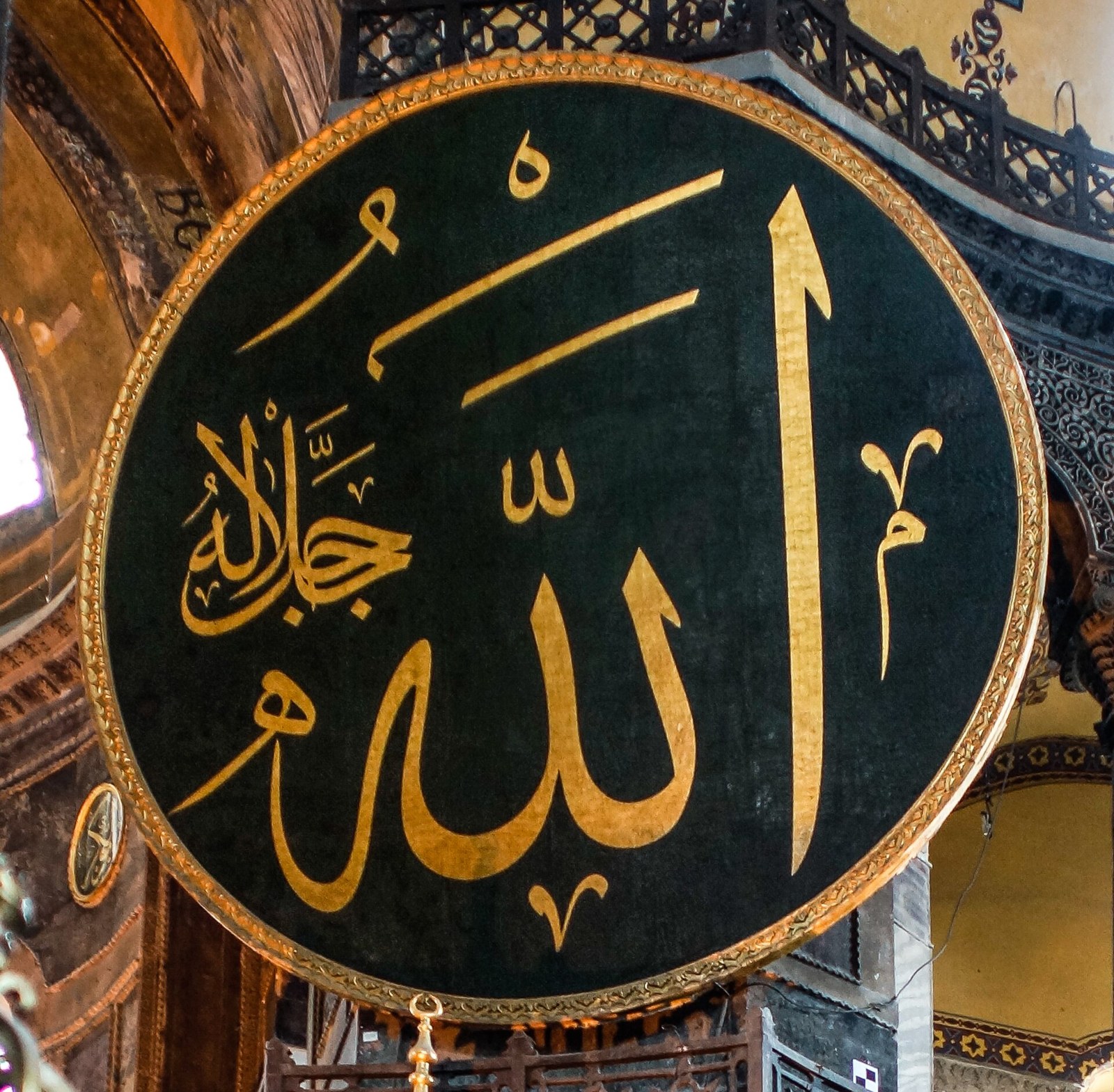
Turkish Culture and Tourism Minister Mehmet Nuri Ersoy met master calligrapher Mehmed Özçay in Istanbul on 19 November 2026, according to Sabah. Ersoy shared the visit on social media and promised to keep bringing the art of calligraphy to the public and to future generations.
Özçay is best known for calligraphy that appears in some of the most visible Islamic spaces in the world. Ersoy’s post listed several of them.
Mehmed Özçay’s best-known calligraphy works
Ersoy said Özçay’s signature appears on the calligraphy for the expansion project of Masjid al-Haram in Mecca. It also appears on the name plaque at the entrance of the Hagia Sophia Grand Mosque (Ayasofya-i Kebir Cami-i Şerifi) in Istanbul.
A third work carries his signature too. It is a calligraphic panel that President Recep Tayyip Erdoğan presented as a gift when Hagia Sophia reopened for worship. Ersoy said Özçay’s work makes an important contribution to the aesthetic heritage of civilisation.
A handwritten Mushaf for the manuscript institution
Ersoy thanked Özçay for hosting him and for the warm conversation. He also said he was pleased that the artist had given the Turkish Manuscript Works Institution (Türkiye Yazma Eserler Kurumu Başkanlığı) a handwritten Mushaf-ı Şerif, a copy of the Quran. Özçay spent four and a half years preparing it.
The minister added that Özçay broadens the reach of calligraphy by combining traditional knowledge with new interpretations. In 2024, Özçay was added to the Living Human Treasures list, which recognises people who keep traditional cultural practices alive.
From hüsn-i hat to photography
Calligraphy is called hüsn-i hat in Turkish, meaning “beautiful writing”. It has long been one of the central arts of Ottoman and Islamic culture.
Ersoy also mentioned Özçay’s photography. He pointed to the “Ayasofya Fotoğrafları” (Hagia Sophia Photographs) exhibition, which Özçay held with İzzet Keribar. He also cited a work titled “O Ağaç” and a large archive of nature photographs. Ersoy said it is valuable for such work to reach younger generations.
He closed his post with a pledge. In his words, the ministry will keep presenting the great legacy of hüsn-i hat, and the works of the artists who devoted their lives to it, to society and to future generations.
Source: Sabah
Featured image: When reusing, please credit me as author: Adam Kliczek, http / Wikimedia Commons, CC BY-SA 3.0