Turkey Records 7,000 Turkish-Islamic Gravestones in National Project
The ministry's inventory now covers 18 provinces and about 7,000 documented works.
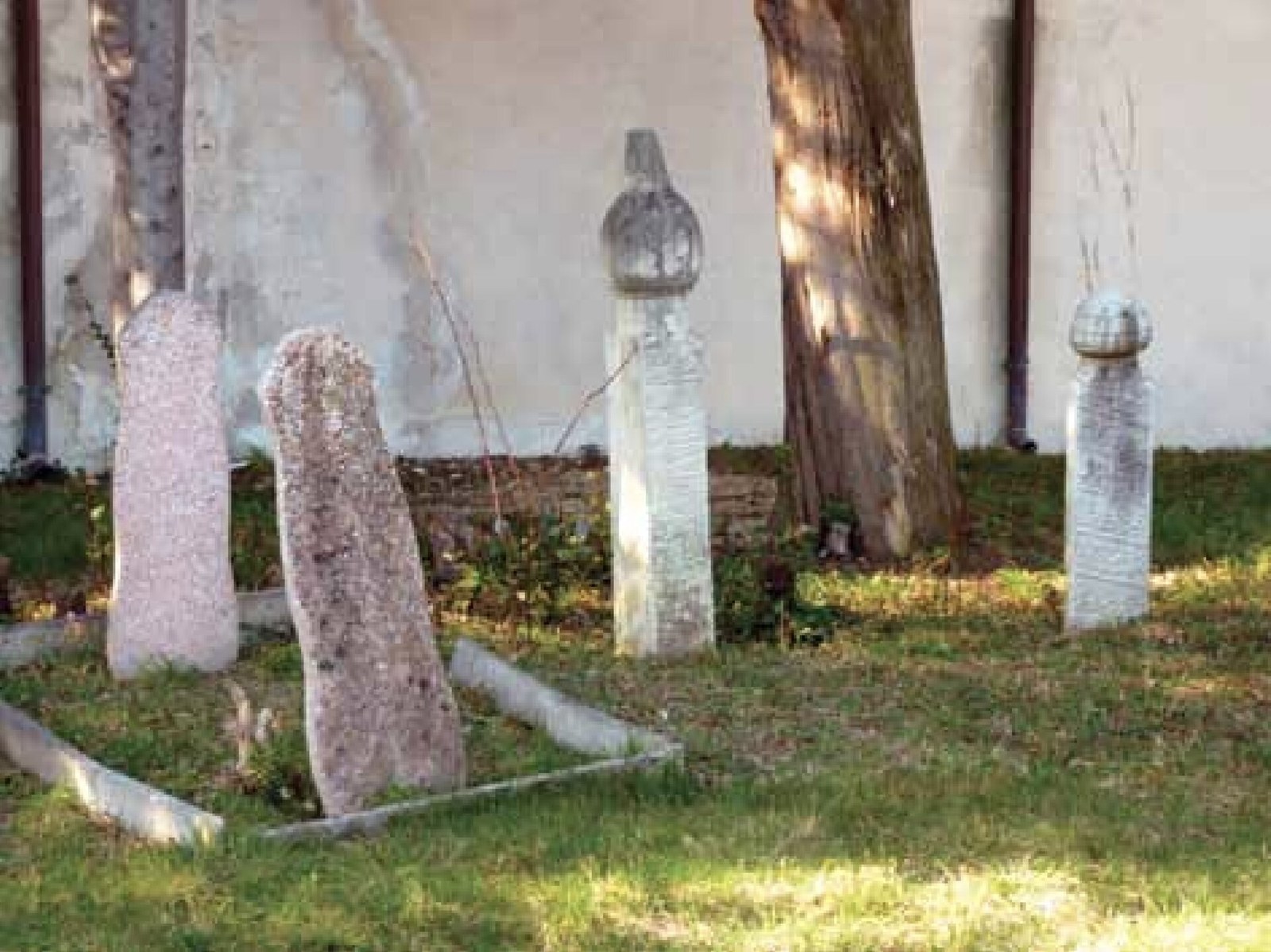
Turkey’s Ministry of Culture and Tourism is building a national inventory of Turkish-Islamic era gravestones and inscriptions. According to Sabah, which reported on 13 October 2026, the project now covers 18 provinces and about 7,000 documented works. For readers of Anatolian and Ottoman history, it is one of the largest efforts yet to record this kind of heritage.
The official name is the “National Inventory Project for Turkish-Islamic Period Gravestones and Inscriptions” (Türk-İslam Dönemi Mezar Taşları ve Kitabeleri Ulusal Envanter Projesi). All records will go into one shared digital database.
How the gravestone inventory has grown
The project began in 2025. That year, teams worked in Tokat, Denizli, Istanbul and Diyarbakır, and identified and documented 859 works.
In 2026 the work spread to 18 provinces and gathered pace. Sabah reports that documentation of roughly 7,000 works has been transferred so far. Fieldwork is due to continue until the end of the year, so the final number may rise.
Turkish regional outlets describe the project as a multi-year effort, reportedly planned over six years. Those reports also say teams read, photograph and measure the stones. I could not confirm the full timeline from the ministry itself, so treat the six-year figure as reported rather than official.
Why inscriptions matter for Anatolian history
A kitabe is an inscription carved in stone. On a gravestone, it can give a name, a date, a title or a prayer. It can also show the style of script and the skill of the stone carver.
Such details help historians trace how communities lived and how artistic taste changed. Sabah says the database will let researchers study the works by period, region, material, script type, artistic style and inscription features. That turns scattered stones into a searchable scientific collection.
The inventory also protects fragile evidence. Weathered stones can lose their text over time, and a careful record keeps that information even when the stone itself deteriorates.
Connecting stone records to the Ottoman story
Gravestones are primary physical evidence, unlike a television drama. Series such as Kuruluş Osman dramatize the early Ottoman period, but a dated inscription records a real name and time. The source does not link the project to any series, so this comparison is only context.
Viewers who like historical dramas can see here how historians work. They combine chronicles, documents, architecture and inscriptions, and the new database should widen that evidence base.
Public access to the database has not been announced in the source. The ministry has not said how or when researchers or the public will be able to use it.
Source: Sabah
Featured image: Unknown photographer / Wikimedia Commons, CC BY 4.0