Yunus Emre Divan Copy Found: 9 Poems Unknown Until Now
Scholars identify a manuscript with 125 poems, nine of them unknown Yunus Emre verses.
A newly identified manuscript of the Divan of Yunus Emre has reached the scholarly world, TRT Haber reported on 2 November 2026. The copy, called the “Türk Yurdu Nüshası” (Türk Yurdu Copy), contains 125 poems. Nine of the Yunus Emre poems in it appear in no other known manuscript.
Prof. Dr. M. Fatih Köksal identified the manuscript. Prof. Dr. Güler Doğan Averbek and her doctoral students are now preparing it for publication, and the book is expected “as soon as possible.” No release date has been announced.
What the Yunus Emre Divan copy contains
According to the report, the manuscript survives as loose, scattered leaves. It holds 113 poems attributed to Yunus Emre. The other poems belong to Âşık Paşa, Said Emre and Kaygusuz Abdal, three other voices of early Anatolian Turkish poetry.
Nine of the Yunus poems are new to researchers. The remaining 104 match texts in existing manuscripts. They give scholars a further witness for comparing wording, which matters when a poet’s work has been copied by hand for centuries.
How a 1966 magazine interview led to the find
The trail began with a short interview in the magazine Türk Yurdu in 1966. It featured Raif Yelkenci and mentioned scattered leaves of Yunus poems, with an image. That is why the copy takes its name from the magazine.
Averbek later studied the Yelkenci papers and noticed repeated headings reading “Yunus Emre fermâyed” (roughly, “Yunus Emre says”). Incomplete cataloguing had hidden the manuscript. Köksal announced it in a 2025 conference paper, according to TRT Haber.
The report also credits Mevlüt Ceylan, one of the last of the traditional second-hand booksellers (sahaf), for helping the manuscript reach the Süleymaniye Manuscript Library in Istanbul.
Why the new Yunus Emre manuscript matters
Yunus Emre lived in Anatolia in the late 13th and early 14th centuries and wrote in plain Turkish. His verse is central to Turkish Sufi (mystical) literature. Researchers accept only a limited number of manuscripts as “authentic or ancient” sources for his poems.
Averbek says the Türk Yurdu copy now joins that list. The other copies she named are the Eraslan Güzel copy (earlier known as the Karaman copy), and the Fatih, Raif Yelkenci, Ritter and Vahid Paşa copies.
Köksal used the manuscript, with seven others, for a critical edition of the Divan that is due soon. The report does not say when that edition will appear. The Yelkenci copy had earlier been located by Prof. Dr. Hüseyin Akkaya and published within the Yunus Emre Külliyatı project, edited by Prof. Dr. Orhan Kemal Tavukçuoğlu.
Viewers of Anatolian historical dramas often meet Sufi figures and their poetry on screen. Scholarly editions like this one help separate the poet’s surviving texts from later retellings.
Source: TRT Haber
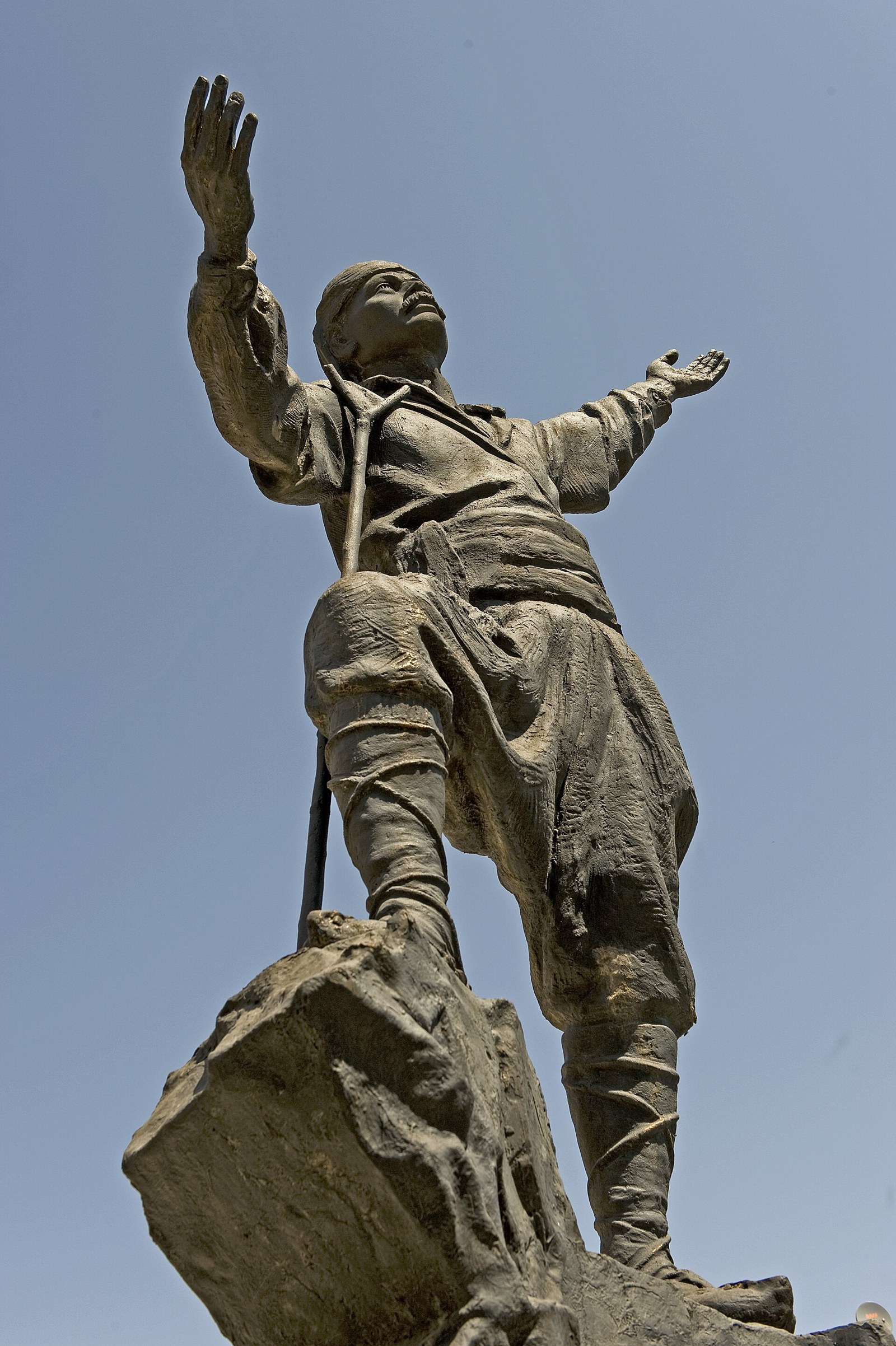
Featured image: Dosseman / Wikimedia Commons, CC BY-SA 4.0