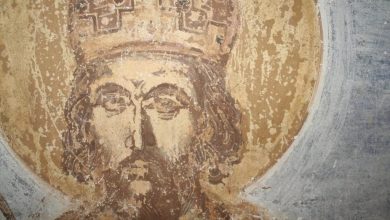
Yunus Emre: The Sufi Poet of Love Whose Simple Turkish Still Travels
Is it accurate? Series vs real history
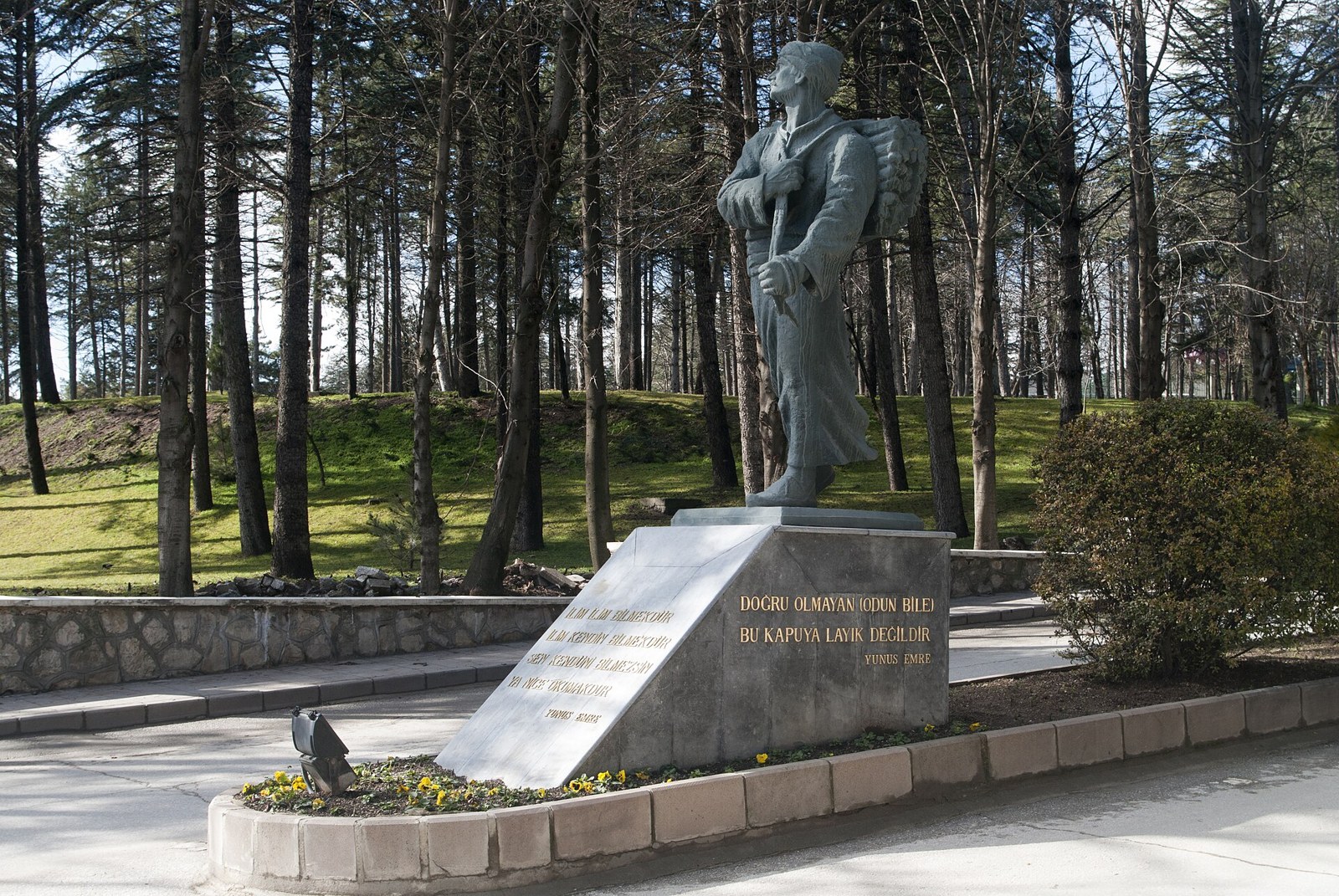
Almost nothing is certain about his life, yet UNESCO named 1991 the International Yunus Emre Year. How does a poet with no reliable biography end up with a world anniversary?
The answer is in his language. Yunus Emre wrote in plain Anatolian Turkish, at a time when many poets reached for Persian and Arabic. Seven centuries on, people still recite him. Here is what we can say about him, what is legend, and how he fits around the world of Kuruluş: Osman (The Ottoman), which you can stream with English captions, free and with no account.
Watch the latest episode with English subtitles on OsmanOnline.live
▶ Kuruluş Osman Episode 194 With English Subtitles · All Kuruluş Osman episodes
A poet with a vague biography
Yunus Emre lived in Anatolia and is usually dated c. 1240 to c. 1320. Those dates are approximate. A manuscript in the Beyazıt State Library in Istanbul is reported to record his birth as 1240 to 1241 and his death as 1320, but scholars still treat the details with care.
Encyclopedia sources are blunt about it: little reliable biography survives, and much of what circulates is probably legend. Tradition places his birth in Sarıköy, today the village of Yunusemre in Eskişehir province, where a mausoleum was built in 1970. His grave is also claimed in many other places.
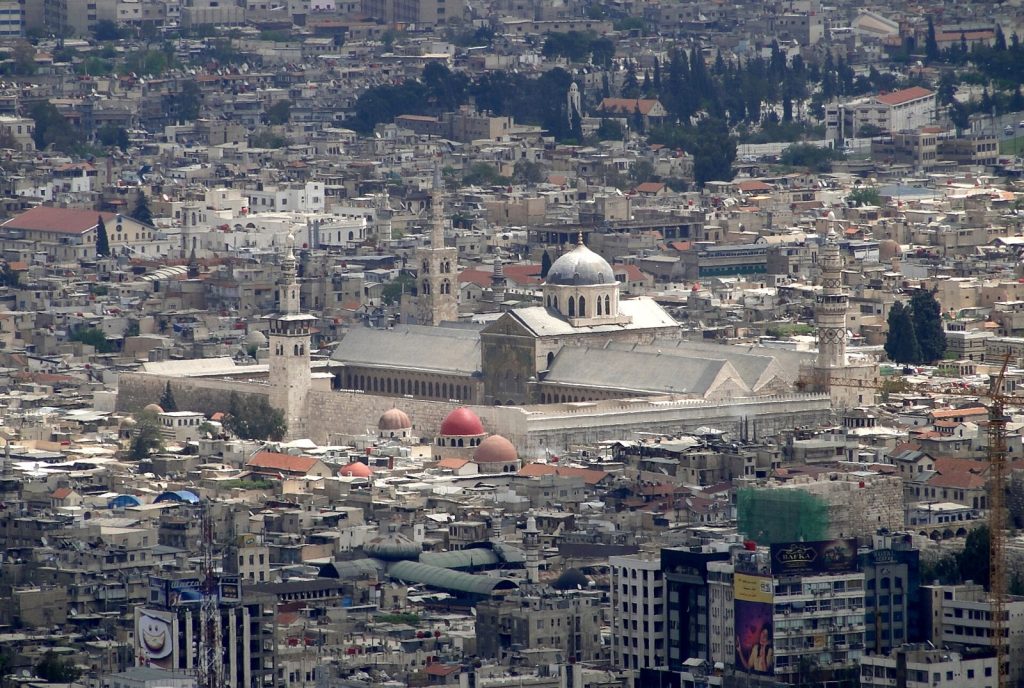
His poems suggest an educated man who knew some Persian and Arabic, was married with children, and travelled widely. Konya and Damascus are named in the traditional accounts.
The world he lived in
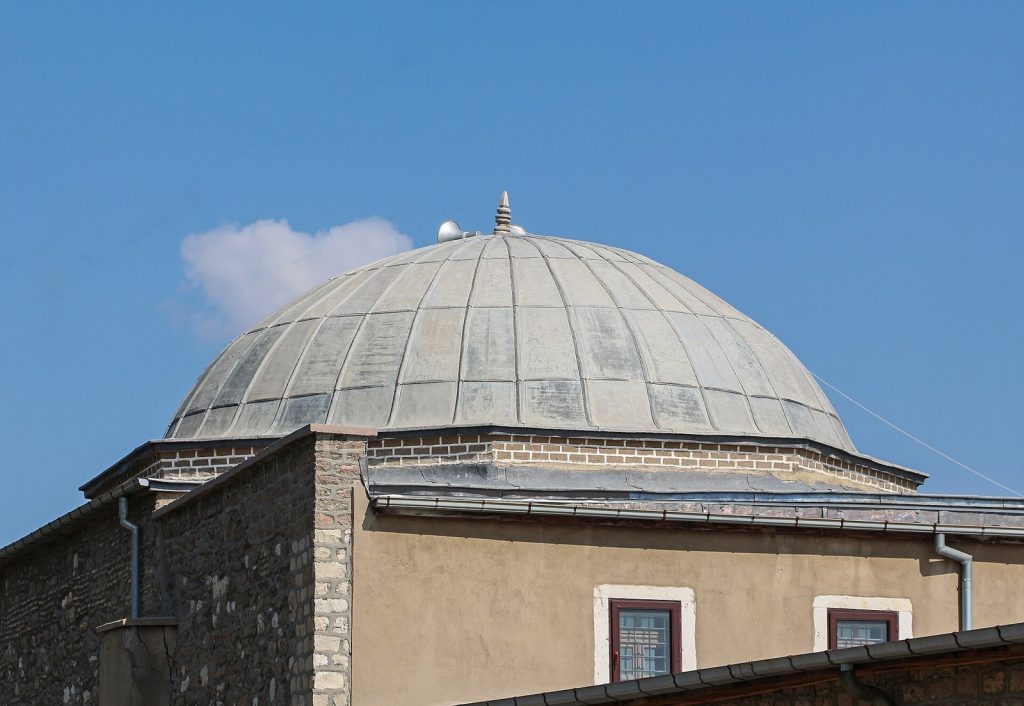
Picture Anatolia after 1243. That year the Seljuk Sultanate of Rum lost to the Mongols at Köse Dağ. Political unity broke down, and plunder, famine and banditry followed in many areas.
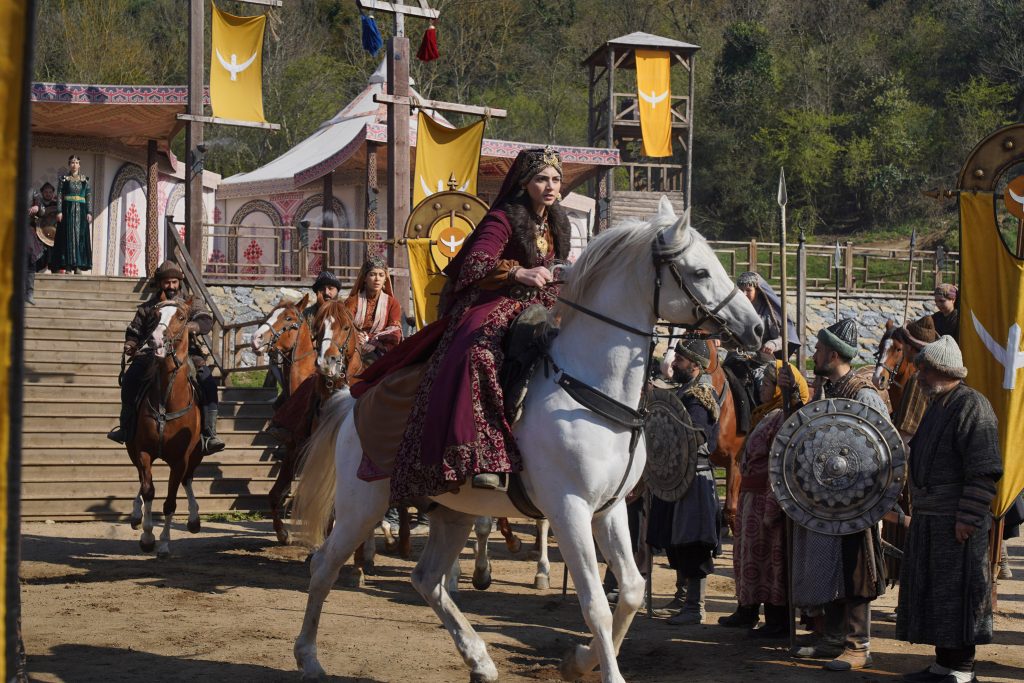
Sufi orders filled part of the gap. They helped keep order in towns and on roads, and they helped educate ordinary people. Yunus Emre’s verse grew in that setting, and the Ottoman beginnings that Kuruluş: Osman dramatizes belong to the same era, the decades around 1300.
That is the only link we can state with confidence. Yunus Emre is not a character we can point to in the series, so treat him here as a figure of the same age, not a screen role.
His teacher and the legends around him
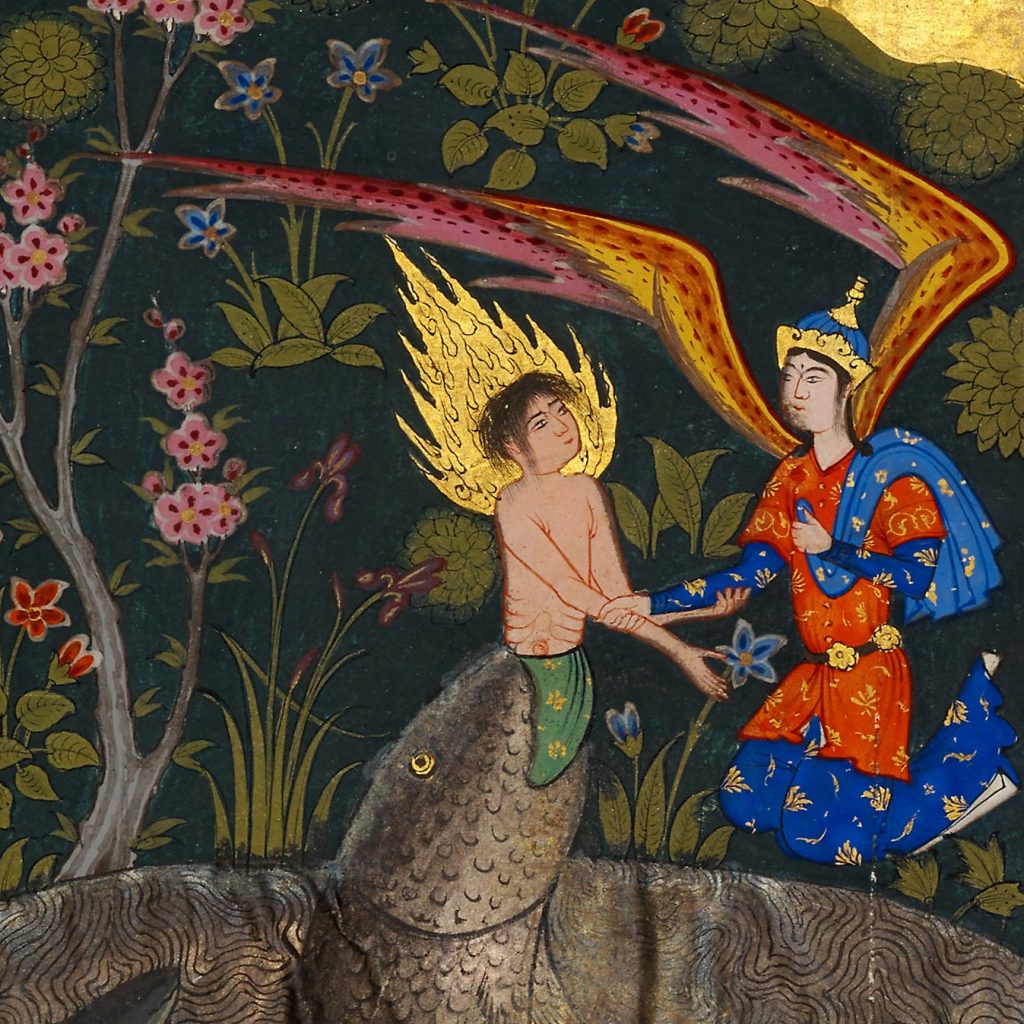
Most accounts say he served a master named Taptuk Emre for many years, about forty in the traditional story. A famous story says he gathered firewood for the lodge and always brought straight wood. When asked why he never brought crooked wood, he answered that no crooked person enters that gate, not even crooked wood. That is a tradition, not a documented event.
Another popular legend links him to Hacı Bektaş Veli, who is said to have sent him to Taptuk. Scholarship treats this as legend. The same goes for stories that he met Rumi.
The two works attributed to him
- The Divan: the collection of his poems. The oldest known manuscripts date to the fifteenth century, the poems are untitled, and no autograph copy survives, so scholars debate which poems are truly his. Mustafa Tatcı’s critical edition is a leading modern attempt to sort them.
- Risâletü’n-nushiyye (Book of Counsel): a moral work in rhymed couplets.
In his verse the key word is gönül, the heart as the centre of the soul. Love is the main theme, and he describes death as a meeting with the Beloved, a view often compared with Rumi’s.
A few lines you can trust
Quote sites are full of fake Yunus Emre lines. These two come with a named edition in a reference article, in English translation by its author, Z. Baskal, so the page numbers refer to the edition used there.
- On the world: “Worshipping the world is like savoring a poisonous meal.” The source is the Yunus Emre Divanı, p. 88.
- On fear and love: “I was fearful until I found Him, I was rescued from fear, my friend.” The source is the Yunus Emre Divanı, p. 373.
Notice the pattern. He is not preaching a harsh message. His themes are humility, patience with others and a heart turned toward God. Pope John Paul II, speaking in 1991 during the UNESCO year, summarized them as God’s loving presence in creation, universal brotherhood, the power of love, and nature as a sign pointing to God.
Why the debate about him continues
Scholars do not agree on how to label him. Some see an opponent of rigid dogma. Others see a missionary of Islam, a teacher who explained faith to ordinary Anatolians in their own speech. Both views come from reading the same poems, which is why careful readers keep the poems at the centre.
His language matters just as much. Later Turkish nationalist writers praised him as a pioneer of “pure Turkish.” It is safer to say that he helped broaden the use of Turkish in Sufi circles. Fuad Köprülü’s 1918 study renewed scholarly interest, and in 2021 the 700th anniversary of his death was marked in Turkey.
Questions About Yunus Emre and Kuruluş: Osman (The Ottoman)
Was Yunus Emre a real person? Yes. He is a historical poet who lived in Anatolia, usually dated c. 1240 to c. 1320. His biography is thin, and many stories about him are legend.
When did Yunus Emre live compared with Osman’s era? He lived in the decades after the Mongol defeat of the Seljuks at Köse Dağ in 1243, and his later years fall around the time the Ottoman beginnings took shape. That connection is by era only.
What is Yunus Emre’s most famous work? The Divan, the collection of his poems. His other attributed work is the Risâletü’n-nushiyye, a book of counsel.
Where can I watch the series from that era? Every episode of Kuruluş: Osman is free with English subtitles on OsmanOnline.live, and no account is needed.
The poet behind the period
Map
- Sarıköy (Yunusemre village): Traditional birthplace of Yunus Emre in Eskişehir province, with a mausoleum built in 1970. View on map
- Konya: Seljuk capital, named in accounts of his travels. View on map
- Damascus: City named in accounts of his travels. View on map
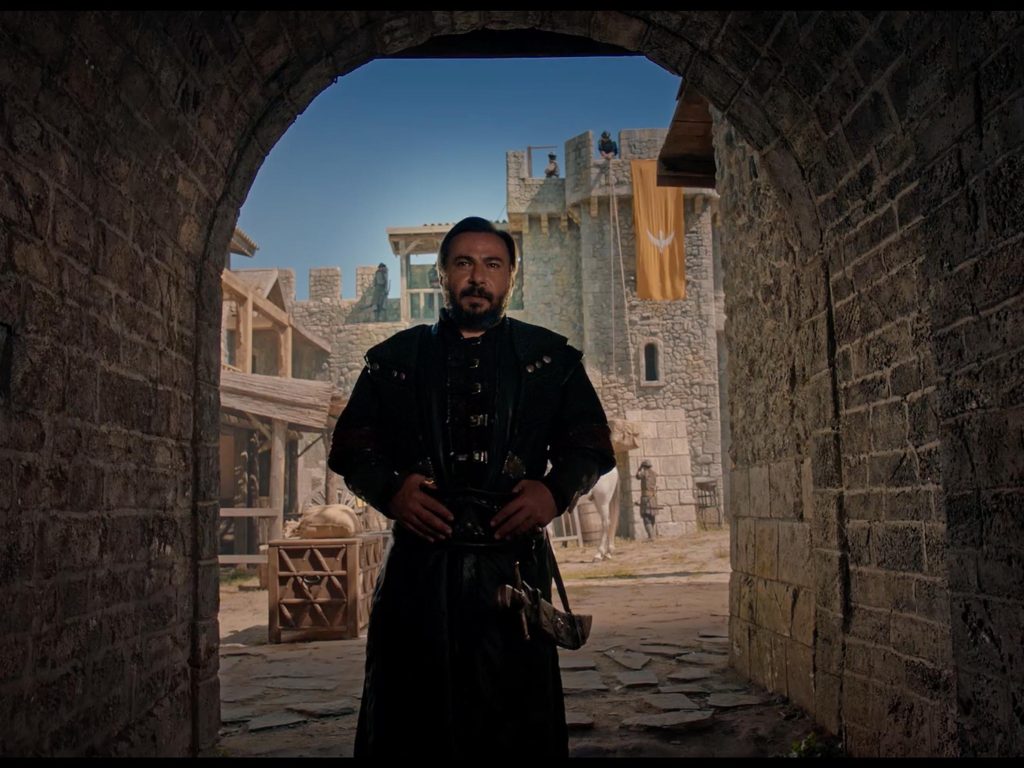
Yunus Emre belongs to the same Anatolia the series shows, a land of lodges, roads and hard times. When you watch, remember that the people of that age also lived with verse about love, patience and the heart. To see the era on screen, watch Kuruluş: Osman in HD with English subtitles. Then read one of his poems and compare.
Source: Encyclopedia.com: Mystical Poetry of Yunus Emre, Daily Sabah: Insight into Yunus Emre’s poetry, Vatican: John Paul II address, Yunus Emre Oratorio, 4 Sept 1991
Featured image: Zeynel Cebeci / CC BY-SA 4.0 / Wikimedia Commons