Türkiye Marks 20 Years in UNESCO Living Heritage Convention
An Istanbul meeting reviewed two decades of Türkiye's living heritage safeguarding.
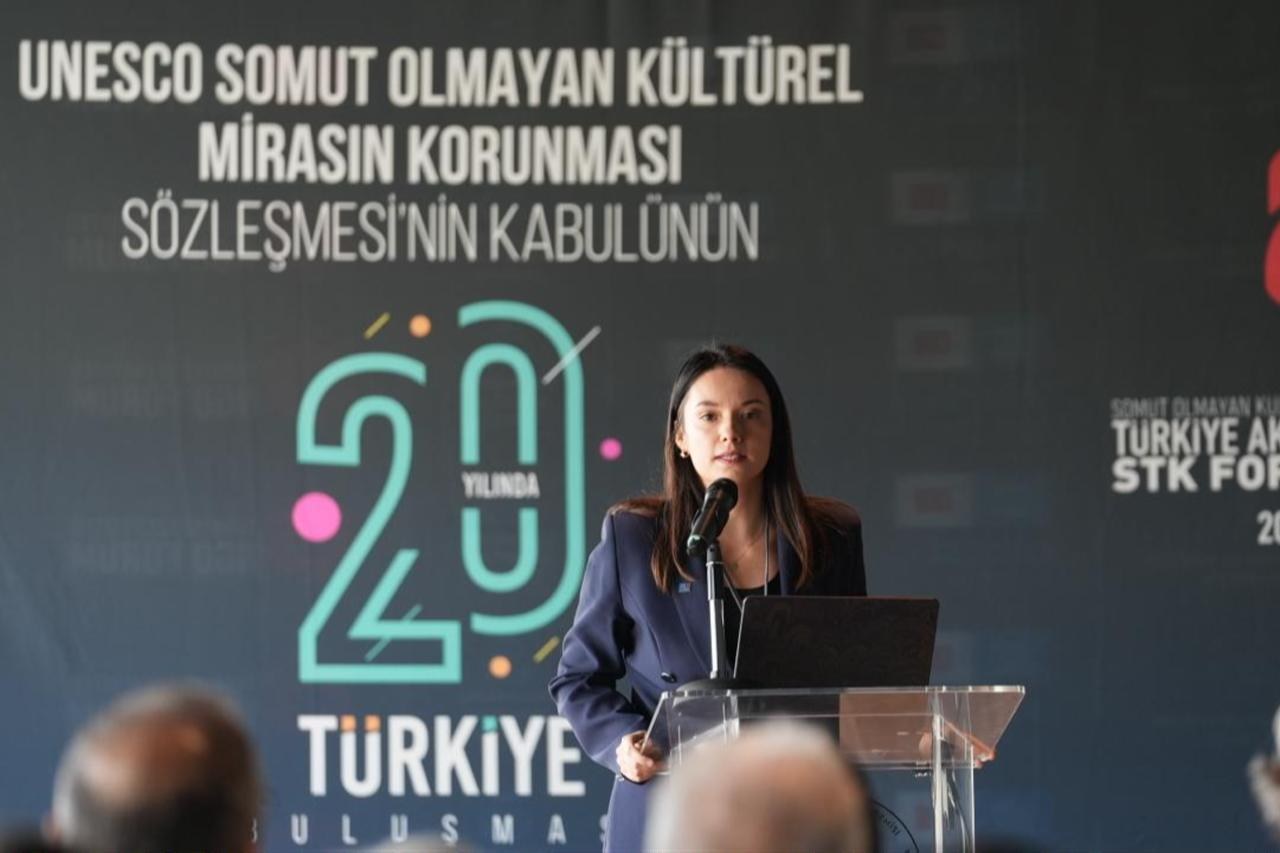
Türkiye marked 20 years since joining UNESCO’s Convention for the Safeguarding of Intangible Cultural Heritage with a meeting in Istanbul on 20 October 2026. Officials, academics and civil society groups reviewed two decades of work to protect the country’s living traditions.
The event was held at the Istanbul Painting and Sculpture Museum of Mimar Sinan Fine Arts University. It also served as the first activity of Türkiye’s Accredited Intangible Cultural Heritage NGO Forum.
Who organised the Istanbul meeting
The Traditional Arts Association organised the gathering. It worked with Türkiye’s Ministry of Culture and Tourism and the Turkish National Commission for UNESCO.
Ugur Kilic, head of the ministry’s Department for Safeguarding Living Heritage, outlined the ministry’s work under the convention. Bilge Tuzel Ergin, rapporteur of the national commission’s Intangible Cultural Heritage Committee, spoke about raising awareness of the treaty and making its goals more visible.
Halil Ibrahim Topcu, deputy chair of the Ministry of National Education’s Board of Education and Discipline, linked heritage to schooling. “To protect it, we must first experience it, then keep it alive, and finally ensure its sustainability,” he said.
What intangible cultural heritage means
Intangible cultural heritage covers living practices rather than buildings or objects. Under the 2003 convention, these include traditions, skills and knowledge that communities pass from one generation to the next. Crafts, music, storytelling and festivals are typical examples.
For readers who follow Turkish historical dramas, this is a useful distinction. Costumes, music and customs on screen often draw on such traditions. A series can bring them to wide audiences, but a drama’s portrayal is not a record of how a practice was actually kept alive.
The role of accredited NGOs
The meeting also looked at how non-governmental organisations help safeguard heritage. Accreditation is a form of official recognition under the convention.
Baris Can, curator and research assistant at the Archers Foundation, described the work of UNESCO-accredited organisations from Türkiye. Sona Tomac, secretary-general of the Traditional Arts Association, explained the accreditation procedures.
International speakers also took part. Irena Todorova, executive director of the Regional Centre for the Safeguarding of Intangible Cultural Heritage in South-Eastern Europe under UNESCO’s auspices, presented her centre’s activities. Masa Vucanovic, a member of the ICH NGO Forum’s executive board, presented the international network of accredited organisations.
The programme also included contributions from the university’s rector, Prof. Ahmet Sacit Acikgozoglu, and former ambassador Prof. Kenan Gursoy. The source does not report what they said.
Source: Türkiye Today
Featured image: Türkiye Today