Kayseri Project Studies Tamga Gravestones of Oghuz Tribes
Tohumluk Foundation and Erciyes University study Oghuz tamga stones in Kayseri.
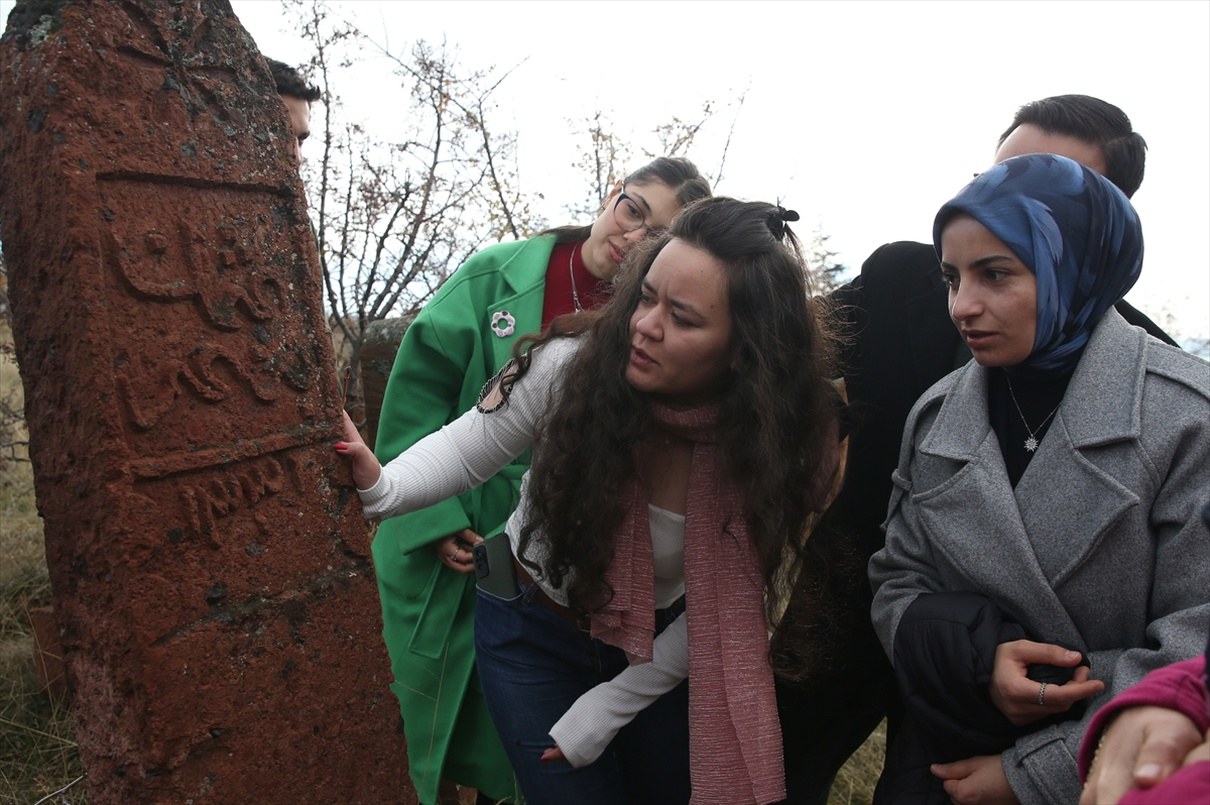
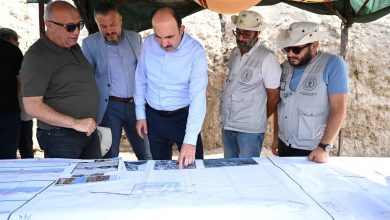
A new heritage project in Kayseri is studying gravestones that carry tamgas, the tribal marks of Oghuz Turkic clans, along with decorated Seljuk and Ottoman-era stones. The Tohumluk Foundation runs the “Taşa Kazınan Hafıza” project (roughly “Memory Carved in Stone”). It plans exhibitions and school workshops to pass this heritage on to young people, according to a report published on 21 November 2026.
The foundation’s Kayseri office coordinates the work. Prof. Dr. Aslı Sağıroğlu, head of the Art History Department in the Faculty of Letters at Erciyes University, serves as academic adviser.
What Are Tamga Gravestones?
A tamga is a clan emblem. The report describes tamgas as identity marks of the Oghuz tribes, which it says came from Turkistan to Anatolia in the 11th century. These marks appear as motifs on gravestones, so each stone can help show which tribe lived in a place.
The project also covers decorated and inscribed stones from the Anatolian Seljuk and Ottoman periods. The aim is to document both the artistic features of the stones and their historical meaning. Readers who enjoy series about the Seljuk era, such as Alparslan: Büyük Selçuklu, may find this material a useful real-world counterpart to screen drama.
Exhibition, Seminar and Workshops Planned
Nilüfer Bıçakçıoğlu, the foundation’s Kayseri representative, told Anadolu Agency (AA) that the group has written to the embassies of Kazakhstan, Kyrgyzstan, Turkmenistan and Azerbaijan. She said it plans a large exhibition showing tamgalı stones and how their forms changed across the 14th, 15th and 16th centuries.
The plans also include a seminar on tamgalı and decorated gravestones from Turkistan to Kayseri, to be given by the project’s academic adviser. In villages, women and children will join art workshops. They will turn the motifs into coasters, magnets and bookmarks. The foundation is also planning cultural routes that include local food.
Bıçakçıoğlu linked the project to Kayseri’s selection by TÜRKSOY, the International Organization of Turkic Culture, as the “2027 Turkic World Capital of Culture.” She said the project’s goal is to hand this heritage to younger generations.
Why Researchers Want to Document the Stones
Sağıroğlu said people cannot protect what they do not know. In her view, movable cultural assets such as gravestones are gradually lost through natural damage and human damage over the years.
She said the team chose a site called Akçakaya on purpose. It has gravestones with the marks of many Turkic tribes. It also has sandık-type (chest-shaped) Seljuk-era stones that suggest a settlement in that period.
Neşe Toprak Yılmaz, a master’s student in art history at Erciyes University, stressed the respect that Turkish culture shows toward cemeteries. She said people need to learn the difference between looking at a stone and truly seeing it, because the stones carry messages and act as documents of identity.
The report gives no dates for the exhibition, seminar or workshops. Those details remain to be announced.
Source: SonDakika (citing Anadolu Agency)
Featured image: SonDakika