Deksiosis Stele Travels From Gaziantep to Prada in Milan
A Hellenistic relief from Gaziantep joins Fondazione Prada's Global Antiquity show in Milan.
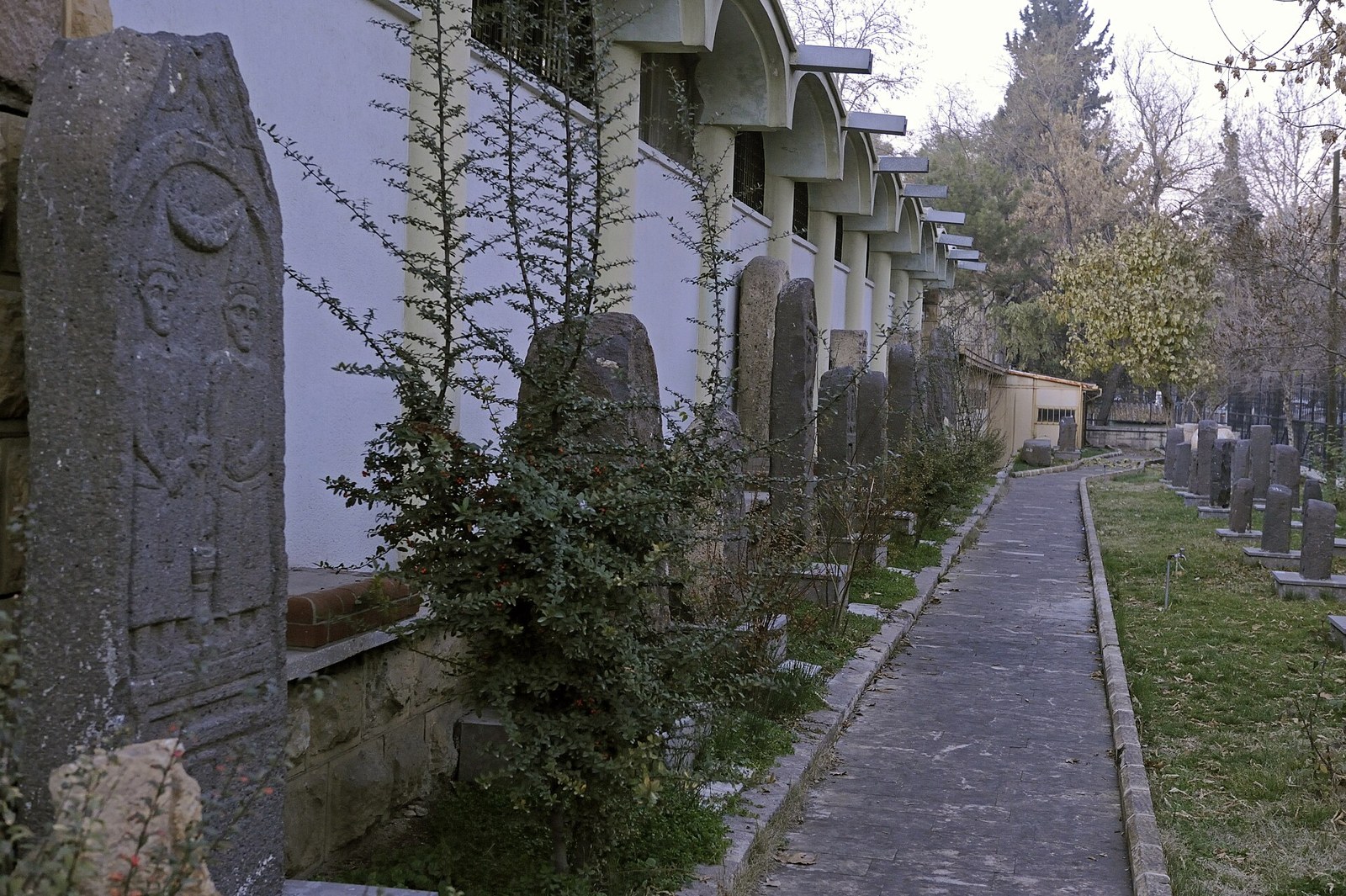
The Deksiosis Stele, a Hellenistic relief from the Gaziantep Archaeology Museum, is now on display at Fondazione Prada in Milan. According to the Gaziantep Governor’s Office, the exhibition brings together 150 works from 19 countries. The stele will return to Gaziantep when the show ends.
The carved panel shows King Antiochos shaking hands with the sun god Helios. Turkish officials describe its loan as a chance to present Gaziantep’s ancient heritage to an international audience.
Opening in Milan with Turkish officials present
The Governor’s Office said the opening was attended by Milan Consul General Mehmet Özöktem and Zeynep Selvi, the Culture and Promotion Counsellor at the Turkish Embassy in Rome. Gaziantep Museum Director Özgür Çomak and archaeologist Mehmet Sait Yılmaz were also present. The Ministry of Culture and Tourism approved the loan.
Governor Kemal Çeber commented on X. He called it a great source of pride to see Gaziantep’s history on a world stage. He added that the city is a gateway to history, culture and civilisation, not only to food.
What the Deksiosis Stele shows
The stele is made in high relief, a technique in which figures project strongly from the background. It is 117.5 cm tall and 58 cm wide. It has been in the Gaziantep Archaeology Museum’s inventory since 1995.
“Dexiosis” comes from the Greek word for a right-hand greeting. In ancient art, a handshake between a ruler and a deity is usually read as a sign of partnership and divine favour. The Turkish statement itself does not interpret the scene further, so this reading is general context, not an official claim about this object.
The Prada exhibition around it
Fondazione Prada presents the show as “Global Antiquity”. According to the University of Pisa, which is linked to one of the curators, it runs from 5 November 2026 to 1 March 2027 and includes more than 150 works. It explores links between the Mediterranean and Asia between 700 BC and AD 1000. The curators are Salvatore Settis, Anna Anguissola and Chiara Ballestrazzi.
The figure of 19 participating countries comes from the Gaziantep Governor’s Office. I could not match it to a published exhibition document.
After the exhibition closes, the stele will go back on display in Gaziantep, as the statement confirms.
Source: SonDakika, University of Pisa
Featured image: Dosseman / Wikimedia Commons, CC BY-SA 4.0