Erzurum Folk Songs: How Dove and Crane Motifs Shape Melody
A university study links dove and crane motifs to the melodies of Erzurum türküs.
A new academic study suggests that the dove and the crane do more than decorate the lyrics of Erzurum folk songs. According to the researchers, these two birds also influence the melody, mode and rhythm of the songs. The paper appeared in the journal of Ankara Hacı Bayram Veli University and was reported by SonDakika on 21 October 2026.
The article is titled “Türk Halk Müziğinde Güvercin ve Turna Motiflerinin Edebi ve Kültürel Anlamlarının Ezgi Yönlendirmesine Etkisi: Erzurum Türküleri Örneği.” Its authors are Orhan Alkan, Yılmaz Kahyaoğlu and Mehmet Can Pelikoğlu. It was published in the Türk Kültürü ve Hacı Bektaş Veli Araştırma Dergisi.
What the Erzurum folk songs study examined
The researchers looked at Erzurum türküs (folk songs) from three angles: literary, cultural and musical. They used a descriptive survey model and a literature review. Their material included the Turkish folk music repertoire, academic sources and the notation of the songs.
For the analysis, they drew on semiotics, the study of signs and symbols, and on ethnomusicology. The authors say bird motifs in Turkish culture symbolise humanity’s bond with nature and the individual’s spiritual search.
The dove: messages and closeness
According to the study, the dove stands for carrying news, reaching the beloved and expressing emotional ties. Songs with this motif tend to follow a steady, rhythmic course. The authors say their melodies reflect walking movements.
They also report that Çargah and Uşşak, two makams, dominate dove songs. A makam is a traditional modal system that sets the pitches and character of a melody. The authors argue that these makams support the dove’s peaceful and gentle image.
The paper adds that dove songs often use the ten-beat “Lenk Fahte” usul. An usul is a rhythmic cycle in Turkish music. In the authors’ reading, this cycle expresses the calm, balanced movement of the bird.
The crane: longing and distance
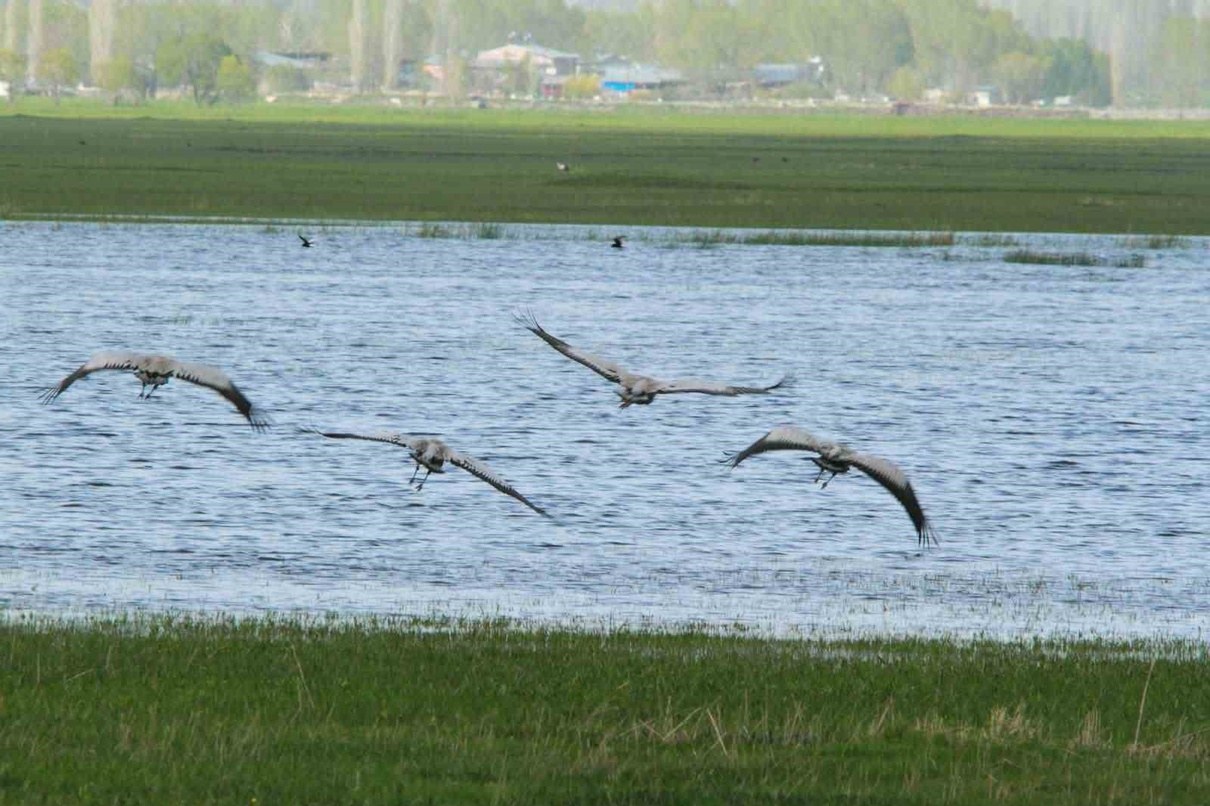
The crane (turna) carries a different meaning. The study links it to longing for a distant lover and to the wish to overcome the space between two people. The source report does not describe any makam or usul findings specific to the crane, so this article makes no claims on that point.
The authors conclude that such themes are not limited to words. In their view, the symbols play a decisive role in the musical structure of folk songs. Love, yearning, communication and separation, they say, connect directly to the melodic form.
Why it matters for readers of Turkish culture
Birds appear often in Anatolian folk poetry, and viewers of Turkish period dramas may recognise the mood of such songs in their soundtracks. This study offers a more precise way to listen to them. It is an academic interpretation, not a rule that every Erzurum song follows. The report describes a literature-based analysis, not a large measurement of every recorded song.
Erzurum is a city in eastern Türkiye with a well-known folk tradition, which makes it a useful case study. The paper’s findings now sit in an academic journal, where other ethnomusicologists can test them against further repertoire.
Source: SonDakika
Featured image: SonDakika