Ladik Wooden Mosque Saved From a Baker’s Oven in 2010
A mosque sold for firewood in 2010 was rebuilt in Ladik's Ambarköy museum.
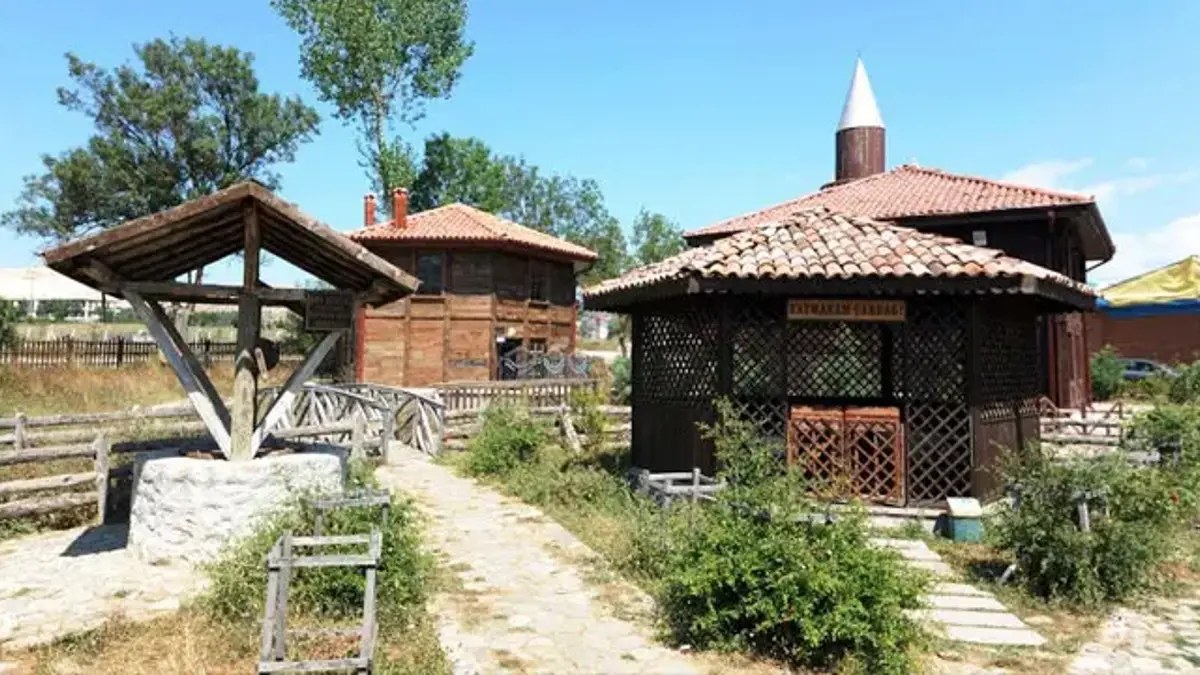
A 300-year-old Ladik wooden mosque, once sold to a baker to be burned as firewood, now stands in the Ambarköy Open-Air Museum in Samsun province. Former Ladik District Governor Kadir Perçi says he stepped in after the building was found during a 2010 field survey. His account was published on 28 October 2026.
The mosque originally stood in Yenidoğan village, in the Salıpazarı district of Samsun. According to the report, it had been sold for about 1,400 lira for its timber. Perçi says he told his team to pay 50 lira more, so the baker received 1,450 lira.
How the Ladik wooden mosque was found and moved
Perçi was district governor (kaymakam) of Ladik from 2009 to 2013 and now serves in Niksar, Tokat. He says a local official told him about the sale by phone while surveying villages in Salıpazarı. After visiting the site, he found a handsome building with some deformed sections.
The team registered the mosque as a protected structure and worked with the Samsun Museum Directorate. Perçi says every part was numbered before the move. Archaeologists and art historians gave technical support, and the mosque was rebuilt in a space prepared for it at Ambarköy.
The museum is on a 14,000-square-metre site at the entrance to Ladik. Perçi says the project took four years. He wanted a village that also included a school (mektep) and a mansion (konak), not only a mosque.
Why Samsun’s wooden mosques matter
Perçi says the forests of the Canik Mountains led to many wooden mosques in Samsun in the late Ottoman period. He claims his team helped register and restore 80 of them, and that documentaries were made about the work. The report does not independently confirm that figure, so treat it as his own statement.
The rebuilt mosque carries the name of Şeyhülislam Mehmet Efendi, who grew up in Ladik. The şeyhülislam was the Ottoman state’s senior religious authority. Perçi chose the name to reflect Ladik’s importance in the Ottoman period.
Ladik’s Ottoman setting
Perçi describes Ladik as part of the Amasya region, which he notes was a place where Ottoman princes (şehzades) were trained. He also says the storehouses moved to Ambarköy once held grain for the army during campaign preparations. These are his historical claims, and the report gives no documents to support them.
For visitors, the result is a preserved mosque in a village setting, shown alongside the other buildings. It also shows how a quick local decision can save a heritage building before it is lost.
Source: SonDakika (İHA report)
Featured image: CNN Türk