Nutuk Released in Eight Languages, With Braille and Audio
The ministry launched Nutuk editions in eight languages plus Braille, audio and sign-language versions.
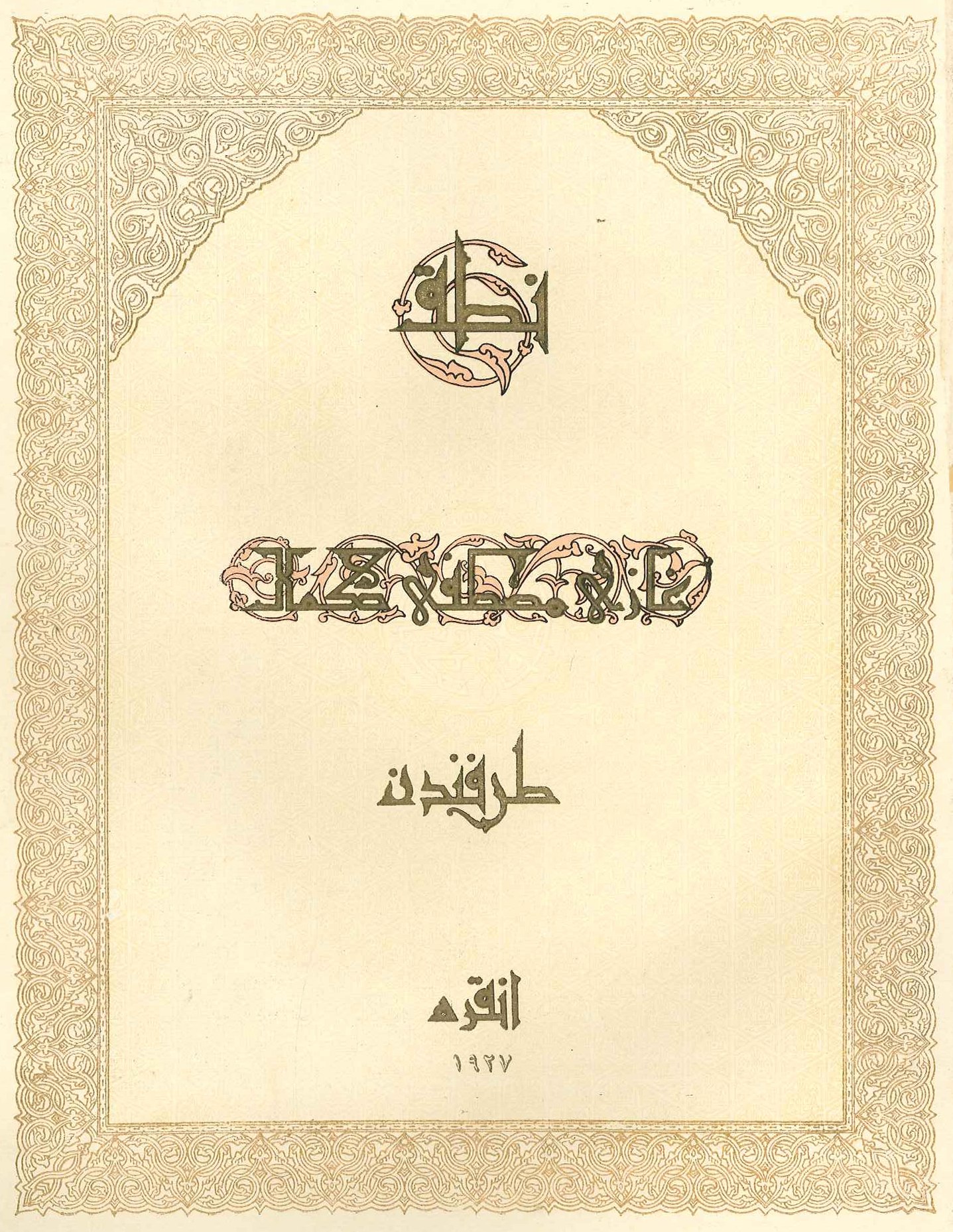
Türkiye’s Culture and Tourism Ministry has launched special editions of Atatürk’s Nutuk in eight languages, including English. The release is part of the Nutuk Külliyatı Projesi (Nutuk Corpus Project), which also adds audio, sign-language and Braille versions. The ministry says the goal is to make the founding speech of the Republic available to readers around the world.
Minister Mehmet Nuri Ersoy presented the project on 19 October 2026 at the Atatürk Culture, Language and History Institution. The project was prepared by the Atatürk Research Center.
What the Nutuk project includes
Nutuk means “The Speech.” It is the long address Mustafa Kemal Atatürk delivered in October 1927. According to the research center’s president, Prof. Dr. Ahmet Kılınç, he spoke over six days, for a total of 36 hours and 33 minutes.
The speech covers the period from 19 May 1919, when Atatürk landed at Samsun, to 20 October 1927. Kılınç described it as a first-hand account of the War of Independence and the modernisation efforts that followed.
The special print editions are in English, German, French, Kazakh, Russian, Urdu, Persian and Turkmen. Each language has its own colour within a shared design, and each edition comes in a box. Ersoy said the Kazakh and Turkmen translations matter especially for access across the Turkic world.
The ministry said the project began after foreign-language editions of Nutuk were close to running out. It was submitted to the Presidency’s Strategy and Budget Office and added to the investment programme.
Braille, sign language and a new website
The accessibility features are a central part of the project. The Braille edition has three volumes. Sign-language videos and audio recordings are also available, so visually and hearing-impaired readers can follow the text.
The ministry has also opened a website, nutuk.gov.tr. At launch, readers can use the original Ottoman-era text, a modern Turkish version and an English version. The other eight languages are to be added in later phases, and Spanish is on that list.
Ersoy said the site links text, audio and video, so users can move between them. It also has an interactive map of the places named in the speech. Users can click a place to see where it appears in the text.
A “Nutuk Year” ahead of the 100th anniversary
Officials said the speech will reach its 100th anniversary in 2027. Kılınç said the period from 20 October 2026 to 20 October 2027 is planned as a “Nutuk Year.”
Planned activities include conferences, exhibitions and a mobile app. The ministry also plans a virtual museum experience and a “metaverse” exhibition. A scholarly volume titled “100. Yılında Atatürk’ün Nutuk’u” (Atatürk’s Nutuk at 100) is planned too. Work on the Spanish translation is continuing.
Why it matters for readers of Turkish history
Nutuk is a primary source, but it is also one man’s account, written and delivered by a central figure in the events it describes. The ministry describes it as document-based testimony. Readers who want a full picture of the period often compare it with other records and with scholarly studies.
The same period is a frequent subject of Turkish historical drama. An official English edition and an English web version give international readers a direct way to read the text rather than rely on a dramatised retelling.
If you enjoy Turkish historical series, our Kuruluş Osman episodes with English subtitles cover an earlier era, the founding of the Ottoman state.
Source: TRT Haber
Featured image: Mustafa Kemal Atatürk / Wikimedia Commons, Public domain