Orhangazi Mosque in Akçakoca: A Nail-Free Wooden Landmark
Villagers in Çayağzı keep a çantı-built wooden mosque open for Friday prayers.
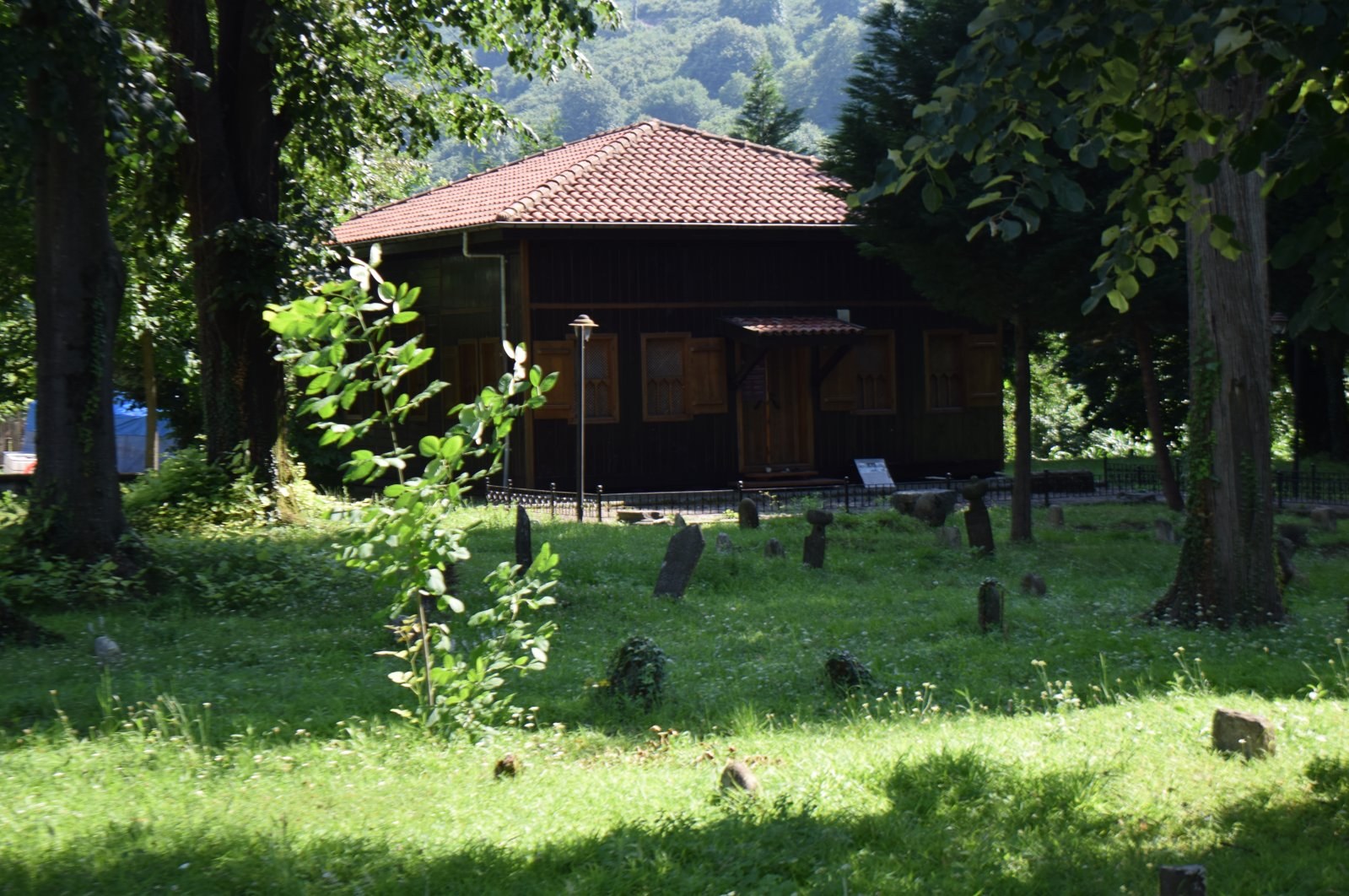
The Orhangazi Mosque in Çayağzı village, in Akçakoca district of Düzce, is described as roughly 600 years old. Its timber frame uses the “çantı” technique, which joins wood without nails. Villagers look after the building and open it for Friday prayers, mevlit readings and special days, according to a SonDakika report published on 8 November 2026.
The report also says visitors now arrive from other provinces. Videos shared on social media have helped make the small village mosque better known.
How the çantı technique works
Çantı is a traditional Anatolian building method. Builders stack timber beams and interlock them at the corners and joints, so the structure holds together without nails. The method is common in the forested Black Sea region, where wood was plentiful.
The Orhangazi Mosque is a rare surviving mosque built this way. The report notes that the building has stood through the Ottoman period to the present day.
The Orhan Gazi story and what is verified
Güven Öztürk Genç, a local resident quoted in the report, retells a village tradition. In it, Orhan Gazi, the early Ottoman ruler, had to stay in the area for two to three months in winter during the conquest of the region. He asked for a mosque so that his soldiers could pray on Fridays, and they built it using the çantı method.
The report presents this as a rivayet, an account passed down orally. It cites no document or excavation. The age of “about 600 years” is likewise a local estimate: Genç himself says the mosque is “said to be” 600 years old. Some other local references give 1323, the era of Orhan Gazi, which would make it older. The report does not settle this, so the building’s exact date remains unconfirmed here.
Restoration and village care
Genç says the mosque became unusable over time and was restored in 2009. Since then, villagers have used it for Friday prayers, mevlits and special occasions. The village has a second mosque, but this is the one locally known as the Orhangazi Mosque.
He also describes the mosque as protected by UNESCO. The report offers no listing or official document for that claim, and we could not confirm it. Readers should treat it as a local statement, not an established heritage status.
Villager Sabahattin Ateşli says residents clean and maintain the mosque and its ablution fountains (şadırvan). He says it stays open to visitors, who can pray there, and that a picnic area lies next to it.
Why it matters to history readers
Early Ottoman history in the Black Sea and Marmara regions survives mostly in small local buildings and oral tradition. Viewers of dramas about the dynasty’s early decades, such as Kuruluş Orhan, may find such sites a useful reminder. Television shows one version of the period, while places like Çayağzı preserve local memory that historians must still test against records.
For now, the mosque’s best-documented features are its çantı construction, its village upkeep and its regular use for worship.
Source: SonDakika
Featured image: Daily Sabah