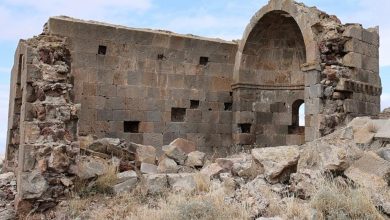
Sulusaray Roman Bridge in Tokat Still Carries Daily Traffic
A six-arch bridge in Tokat, thought to be Roman, still serves seven villages.
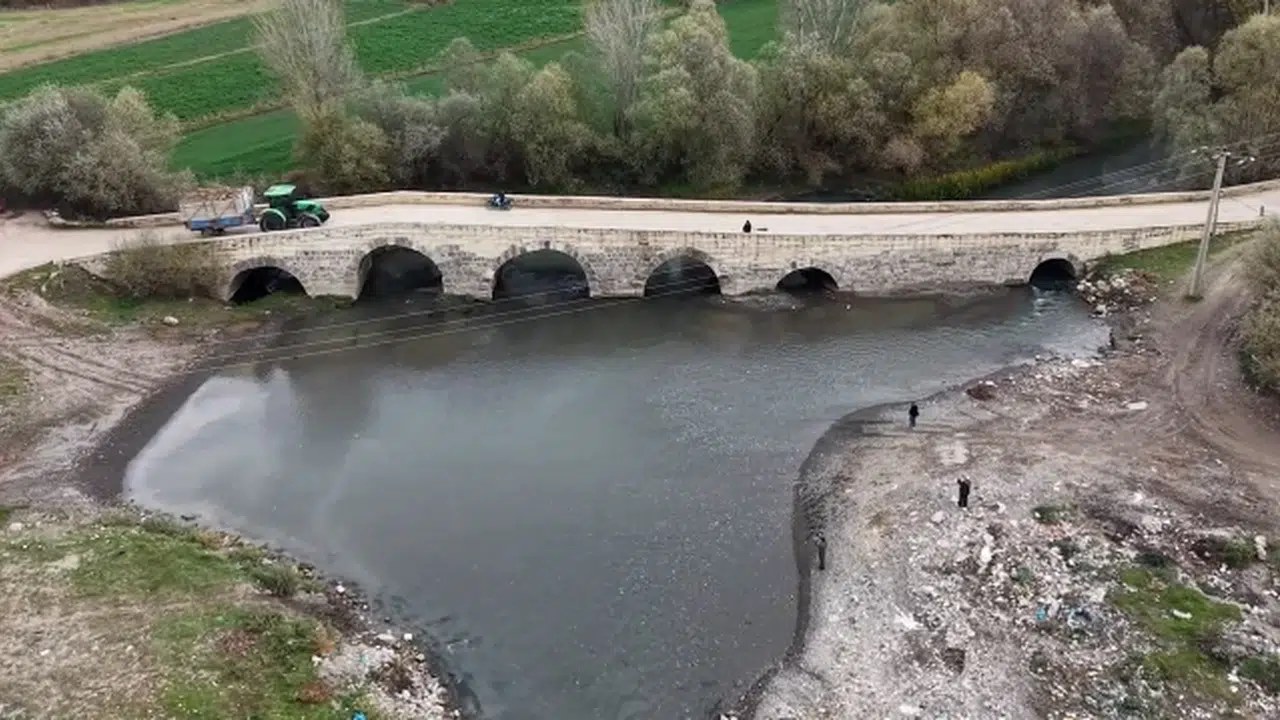
The Sulusaray Roman bridge in Tokat province, central Türkiye, is believed to be about 2,000 years old. It still carries vehicles and pedestrians across the Çekerek River. According to a report published on 4 November 2026, it links the district centre with seven villages and with settlements near the Yozgat border.
The bridge is not a closed monument or a museum piece. It is part of everyday life in Sulusaray, which makes it a rare example of ancient infrastructure that has kept its original job.
A Six-Arch Bridge With an Uncertain Date
The historic Sulusaray Bridge stands in the centre of the district. It has six arches. The two middle arches are wider and taller than the others. The roadway also slopes gently up from both banks toward the centre.
Its exact construction date is unknown. The Roman attribution is an assessment, not a documented fact. The report says the structure resembles remains at the nearby ancient city of Sebastapolis, and that resemblance is the basis for the dating. The figure of “about 2,000 years” should therefore be read as an estimate.
The bridge has also been repaired and restored many times over its long life. The source does not say when those works took place or how much of the present structure is original.
Why Sebastapolis Matters for the Bridge
Sebastapolis is a Roman-era ancient city in the Sulusaray area. Archaeological work has continued there for years. Much of the ancient settlement is reported to lie beneath the modern district centre, which is why the bridge and the city are so closely tied in local discussion.
A local resident, Burhanettin Erden, told the news agency that tractors cross the bridge on the way to fields. He added that Turkish and foreign visitors usually tour Sebastapolis first and then stop at the bridge to take photographs.
What This Roman Bridge Shows About Living Heritage
Many historic bridges in Anatolia survive only as protected landmarks. Sulusaray’s bridge is different because the community still relies on it. That daily use is part of its value, but it also raises the usual question of how to protect an old structure that carries modern loads.
The report does not mention any new restoration plan, and no official statement on its future was included. For now, the bridge remains open. Visitors to Sulusaray can see an ancient crossing doing the job it was built for.
Source: SonDakika (İHA)
Featured image: İşçi Haber – İşçi Haberleri, Son Dakika Haberleri, Güncel Ha