Van Gogh Museum Director Explains “Quality Over Quantity” in Istanbul
Emilie Gordenker spoke at Istanbul Modern on the museum's shift from visitor growth to diversity and quality.
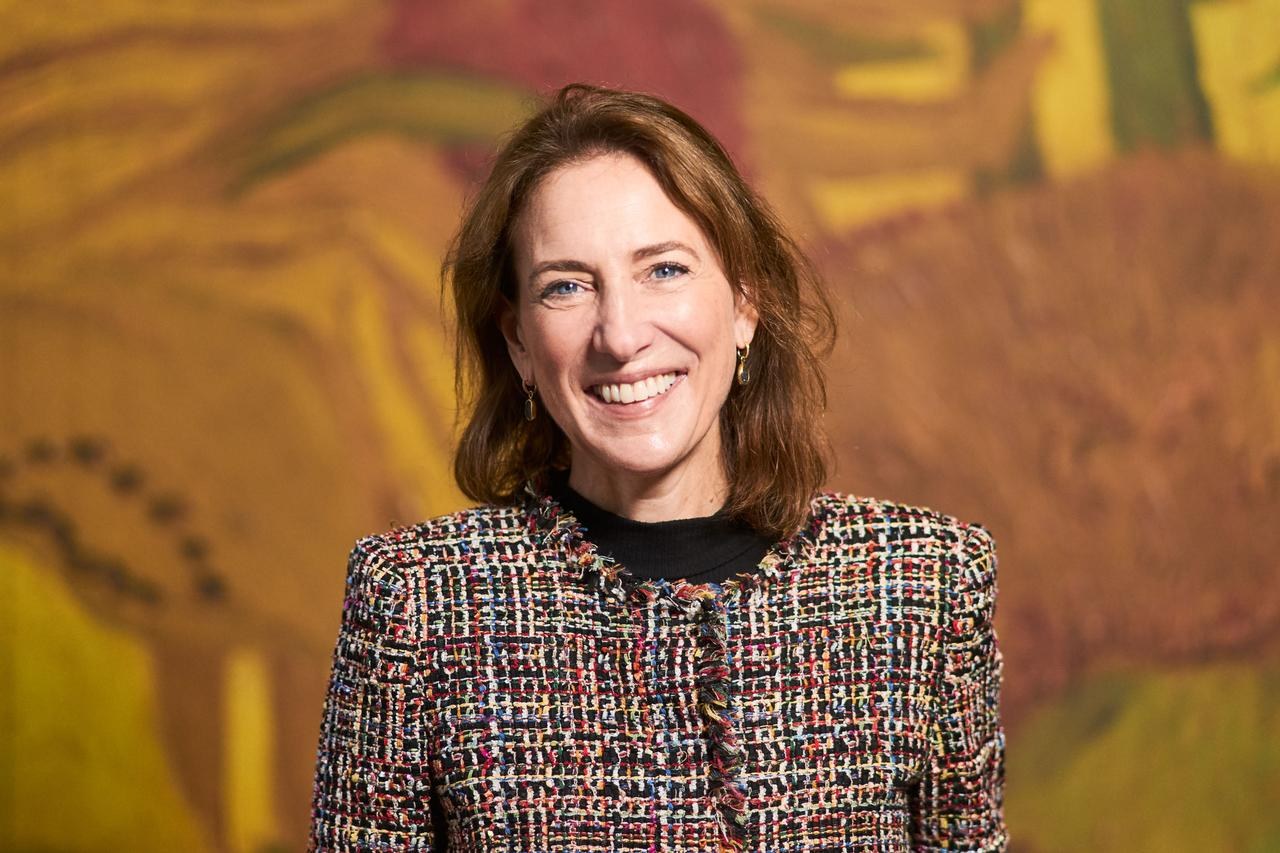
Emilie Gordenker, director of the Van Gogh Museum in Amsterdam, spoke at Istanbul Modern on 27 October about the museum’s strategy. Her talk, “Quality Over Quantity: A New Strategic Direction,” explained why one of the world’s most visited art museums now aims to reach a more varied audience instead of simply growing.
The event was part of “Museums Talk,” a series Istanbul Modern launched in 2012 to bring museum professionals together with art lovers. It was organised with the Consulate General of the Netherlands in Istanbul.
Van Gogh Museum strategy: from growth to diversity
Gordenker said the museum has moved away from the idea of growing and welcoming as many people as possible. Instead, it asks which groups it is not reaching and why they stay away. She called this the meaning of diversity and quality in the museum’s approach.
She described the change as a radical shift in an industry where museums usually try to attract more visitors and earn more revenue. She added that the museum still has to earn enough money to carry out its work.
The museum receives about 1.8 million visitors a year. Gordenker said this is a real operational challenge given the size of the building. The museum therefore manages a timed-entry reservation system carefully to keep visits safe and enjoyable.
She also said about 20% of the budget comes from shops and commercial activities. Ticket sales and sponsorships cover much of the rest. The museum uses its own revenue to support scholars and research, not only exhibitions.
Jo Bonger and the making of the Van Gogh legacy
Gordenker also told lesser-known stories from the collection’s history. She focused on Jo Bonger, the wife of Vincent van Gogh’s brother Theo. Vincent died in 1890, and Theo, his closest supporter, died about six months later.
According to Gordenker, Jo became the key figure in preserving the artist’s legacy. She had no voting rights at the time and faced condescension from art dealers. Even so, she made it her mission to fulfil her husband’s vision for Vincent’s work.
Gordenker said Jo sold paintings selectively and at the right prices. She refused an offer from the collector Helene Kröller-Müller to buy the whole collection, so it would not be broken up. In 1924, Samuel Courtauld bought a version of “Sunflowers” and it went to London’s National Gallery. Jo then considered her work finished and stopped selling.
The collection was later placed in a foundation by Vincent Willem van Gogh, the artist’s nephew. An agreement with the Dutch state then made it permanently accessible to the public.
A museum with a wider frame than one artist
Gordenker stressed that the museum is not devoted to a single painter. Its scope covers the period from 1850 to 1910 and the movements that shaped Van Gogh’s world.
Dutch Consul General Daan Huisinga opened the evening. He asked how to keep Van Gogh alive without letting him become a cliché, and how to connect his legacy with contemporary art. A question-and-answer session with art enthusiasts and museum professionals closed the event.
Gordenker has led the Van Gogh Museum since February 2020. For Istanbul’s cultural community, her talk offered a clear example of a major museum prioritising audience range and research over visitor numbers.
Source: Daily Sabah
Featured image: Türkiye Today