Ara Güler’s Leica Story Fills Four Galleries in Istanbul
The 13th show at the Ara Güler Museum runs until 18 April 2027.
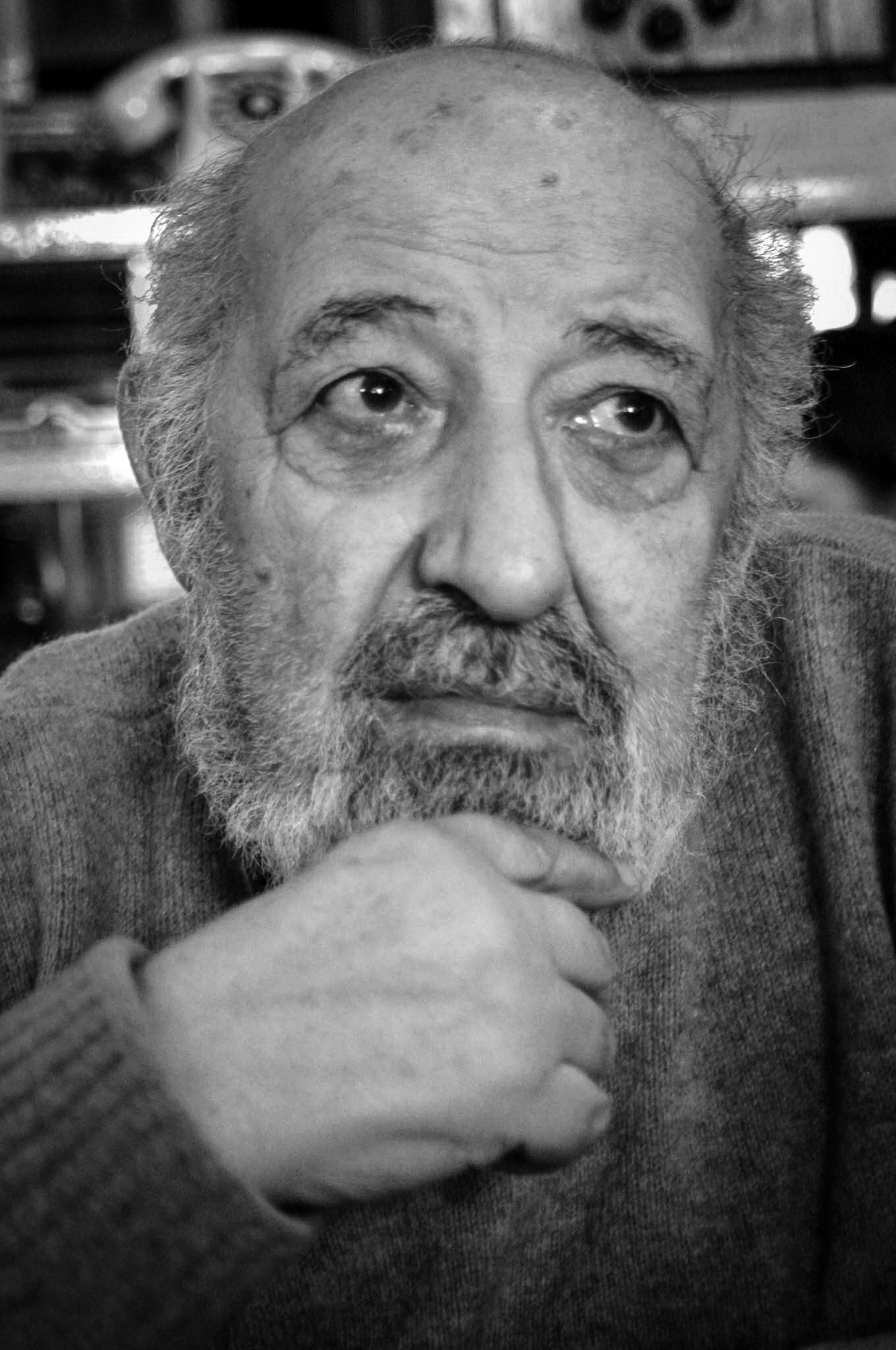
A new exhibition at the Ara Güler Museum in Istanbul follows the photographer’s path from the 1962 “Master of Leica” title to his 2015 induction into the Leica Hall of Fame. Titled “Ara Güler – Master of Leica,” it shows his pictures, his cameras and his handwritten letters. It runs until 18 April 2027.
The Ara Güler Archive and Research Center (AGAVAM) organised the show, with content contributions from Leica Camera AG. It is the museum’s 13th exhibition.
What visitors see in the Ara Güler exhibition
The show spreads across four galleries and follows a chronological order. Each gallery covers a different period or theme in Güler’s career.
The display includes photographs he published in Leica magazine. It also holds cameras he bought and the notes he kept about them. One gallery is devoted entirely to his colour work. Another presents the black-and-white images of Istanbul and Anatolia that many visitors know best.
The letters may be the most unusual part. According to AGAVAM director Çağla Saraç, the correspondence with editors abroad dates back to 1961, and Güler began contacting the magazine in the 1950s. She called the handwritten letters valuable for the history of photography.
Why Leica mattered to Güler
Saraç said Güler worked as a photojournalist and saw that leading photographers around the world used Leica cameras. He bought his first Leica very early, she said. Over his life he kept replacing and adding models.
The title “Master of Leica” went to him in 1962, and Leica magazine announced it in several pages. He entered the Leica Hall of Fame in 2015. Saraç said only 15 photographers have received that distinction so far. She also said Güler is the only photographer from Türkiye to be honoured in this way.
A museum that changes its displays
AGAVAM does not keep a permanent display. Saraç explained that the archive is large, so the museum renews its exhibitions regularly to bring out more material. The previous show presented his photographs from the Cannes Film Festival, which he covered for many years.
For this show, the team wanted to bring back the classic Istanbul and Anatolia images while adding a new angle. The exhibition is on view at the museum in the Bomontiada Complex in Istanbul.
Readers who enjoy Turkish period dramas may find the black-and-white city views a useful visual reference for how twentieth-century Istanbul looked. They are photographs, not historical reconstructions, and they show a very different city from the Ottoman capital seen in most series.
Source: Daily Sabah (Anadolu Agency)
Featured image: Francis Payne / Wikimedia Commons, CC BY-SA 3.0