Köfte History: From a Pounded-Meat Word to a Turkish Classic
A Sabah column traces köfte to Ottoman kitchen texts and a Persian word for pounded meat.
Is köfte a dish, or just a technique with a name? A Sabah column published today argues it is closer to the second, and the history of the word supports that view.
The piece, by Sabah writer İdil Çimrin, traces how Turkey’s favourite meatball reached the table. It ends with a family recipe for “Anne Köftesi”, or Mother’s Köfte.
Köfte history starts with a word that means “pounded”
The word köfte comes from Persian kufte, which derives from a verb meaning “to beat” or “to grind”. Ottoman Turkish took it over, and Arabic and Hindi-Urdu share the same root. In other words, the name describes what is done to the meat, not one fixed recipe.
The column points to a 15th-century Ottoman kitchen dictionary, Tercüme-i Kenzü’l-İştiha, attributed to Ahmed Cavid. It says the book defines “küfte” as something pounded or crushed. A modern edition of the work was published in 2006, with Ottoman text and a modern Turkish version. We could not check the exact wording of the entry. One library record also dates the author differently, so the attribution is best treated with some care.
Before mincers, cooks used knives and mallets
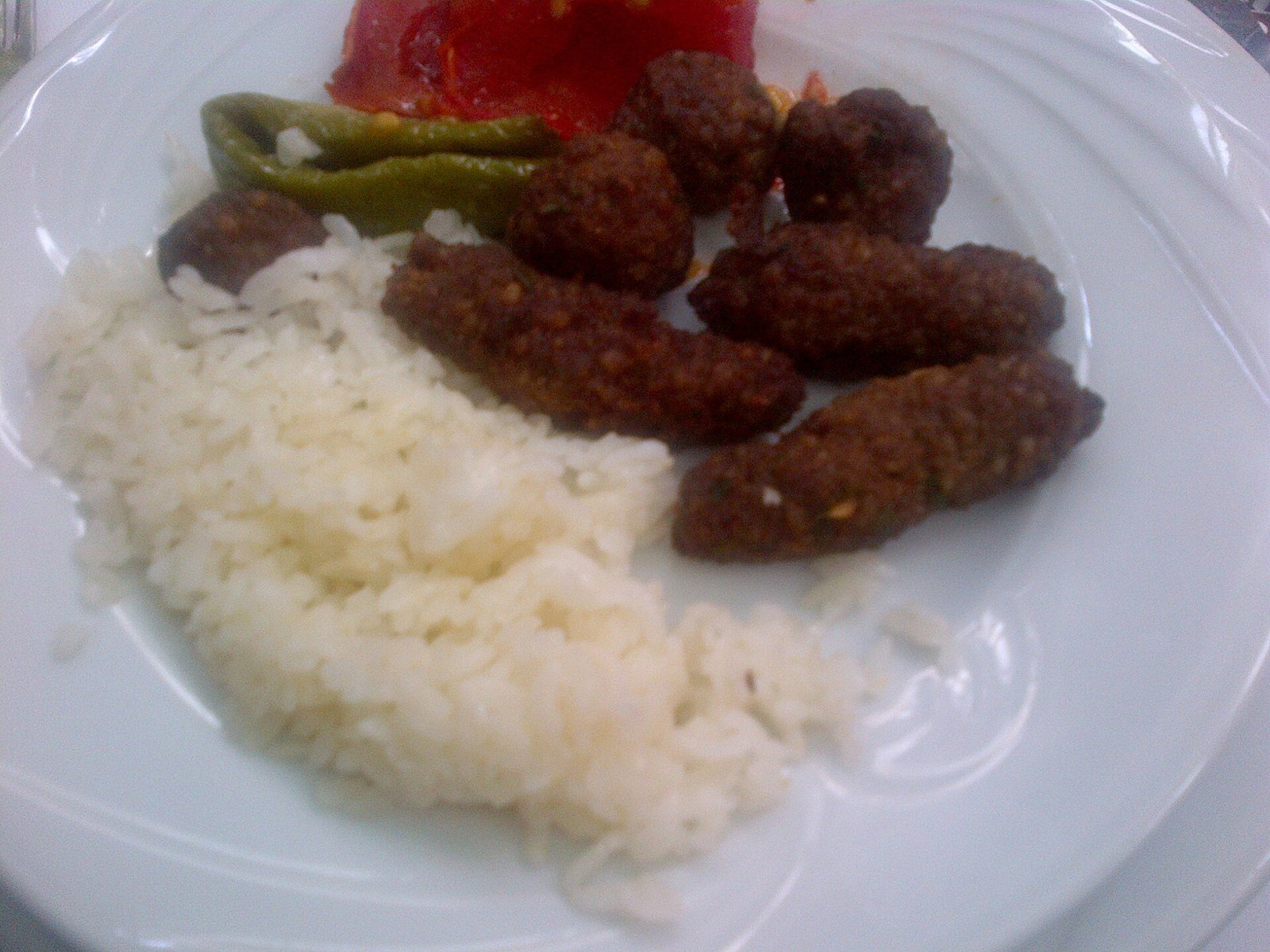
The column notes that the meat mincer only arrived in the 19th century. Before that, cooks chopped meat with two knives or pounded it with a mallet. This helps explain why köfte spans so many forms, from small round balls dropped into soup to long grilled fingers.
That variety is the key point for international readers. Turkey has dozens of regional köfte styles, and each one changes the shape, the seasoning or the cooking method. The column also says Anatolian women added onion, bread, spices and herbs, which is a common description of the home-style version.
Claims that need caution
The column says köfte spread from Central Asia and Mesopotamia. The Persian root of the word is well documented, but the dish’s geographic origin is not settled. Minced and pounded meat appears in many old cuisines.
The column also credits a traveller named Necip Çelebi with creating the first hamburger on an expedition to America. We found no reliable support for this. Food historians generally describe the hamburger’s origin as disputed, so we do not treat the story as fact. Likewise, the column’s 1726 Istanbul date for the first köfte sandwich is the author’s claim, and we could not check it independently.
The author’s exact ratios for a “good” köfte are best read as one cook’s preferences, not a rule. Her recipe, in short, uses beef mince, soaked stale bread, grated onion, garlic, an egg, olive oil, cumin and black pepper. The köfte rest for 30 minutes before frying.
Why it matters beyond the kitchen
Food is part of the world that Turkish period dramas try to recreate. Köfte sits at the crossroads of Persian vocabulary, Ottoman court kitchens and Anatolian home cooking. So a simple dish carries a long cultural trail. The next time a series shows a feast, remember that scripts and set dressers, not archives, usually decide the menu.
Source: Sabah (İdil Çimrin, Günaydın column), Open Library (edition of Tercüme-i Kenzü’l-İştihâ, 2006)
Featured image: E4024 / Wikimedia Commons, CC BY-SA 4.0