Sheikh Edebali: How Real Is the Wise Mentor in Kuruluş Osman?
Is it accurate? Series vs real history
He appears in the series as the calm voice in a storm of swords. Sheikh Edebali was a real man, but almost everything famous about him comes from stories written long after he died.
Watch the latest episode with English subtitles on OsmanOnline.live
▶ Kuruluş Osman Episode 194 With English Subtitles · All Kuruluş Osman episodes
The question for a viewer is simple. Which parts of the Edebali you see on screen can a historian stand behind, and which parts belong to legend or to the writers’ room?
A real sheikh in Bilecik
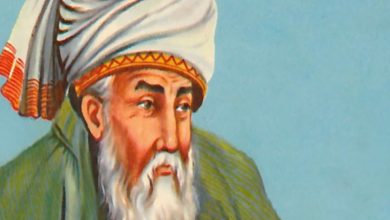
Edebali is no invention of television. Several Turkish sources, including the TDV Islamic Encyclopedia, record him as a Sufi sheikh and a respected scholar who lived in western Anatolia in the late 13th and early 14th centuries. His name appears in the old texts in different spellings, such as Edebâlî, Atabâlî and Ede-Bali.
The details of his life are less settled than the posters suggest. A Bilecik university page gives his full name as Imaduddin Mustafa, born in 1206, and says he received his first education in Karaman and later studied in Damascus. That same page says he was born in Merv. Other accounts give his birthplace as Kırşehir, and the TDV entry names Karaman. So his birthplace is disputed.
His death is given as 1326 in Bilecik. Take that with care. A man born in 1206 and dying in 1326 would have lived 120 years, which is hard to square with a normal life. It is my own reading that the birth year may be a later estimate, but the doubt is fair.
- He is said to have first led a small lodge in the village of Itburnu near Eskişehir.
- He is described as a Babai sheikh, linked to Vefai Sufi circles, and believed to have been connected to the Ahi brotherhood.
- Tradition calls him the first Ottoman kadi (judge) and mufti.
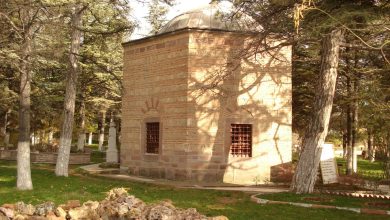
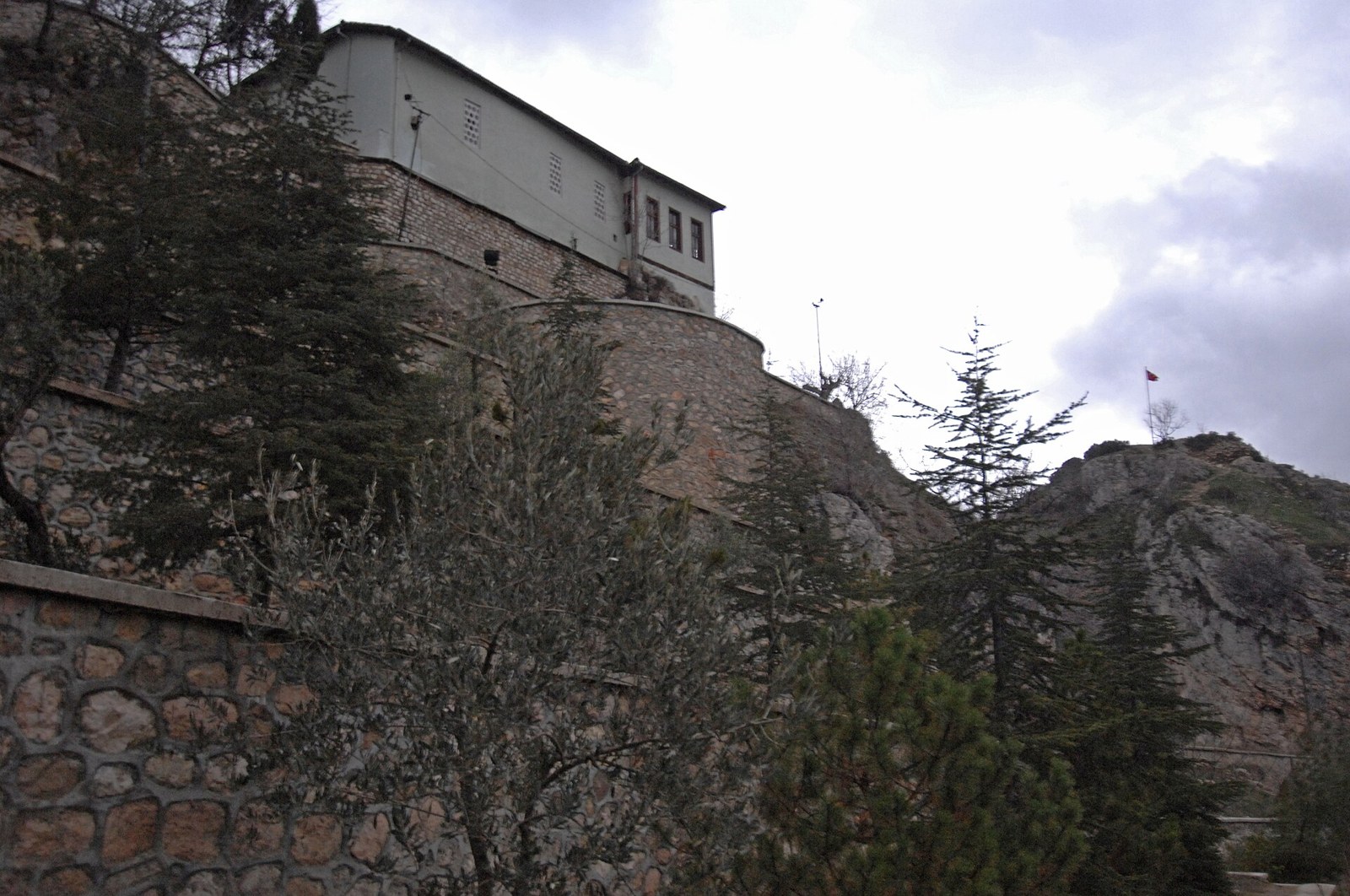
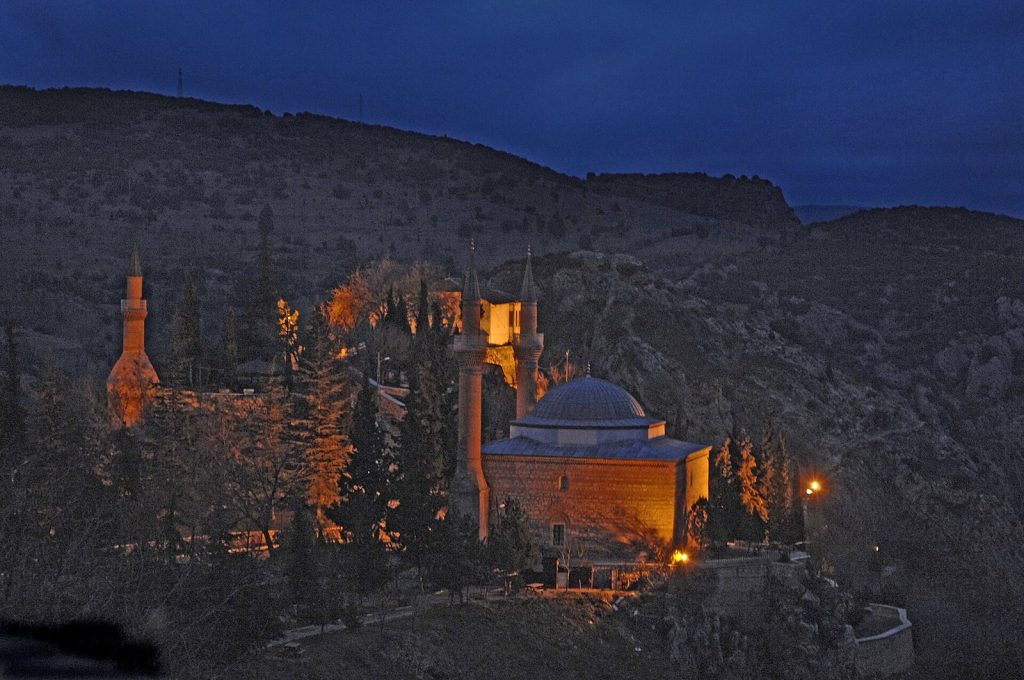
His tomb stands on a hill near the Orhan Gazi Mosque in Bilecik. It holds six large and four small graves of his family and circle, and it was restored under Sultan Abdülhamid II and again in 2012.
The dream: where the legend comes from
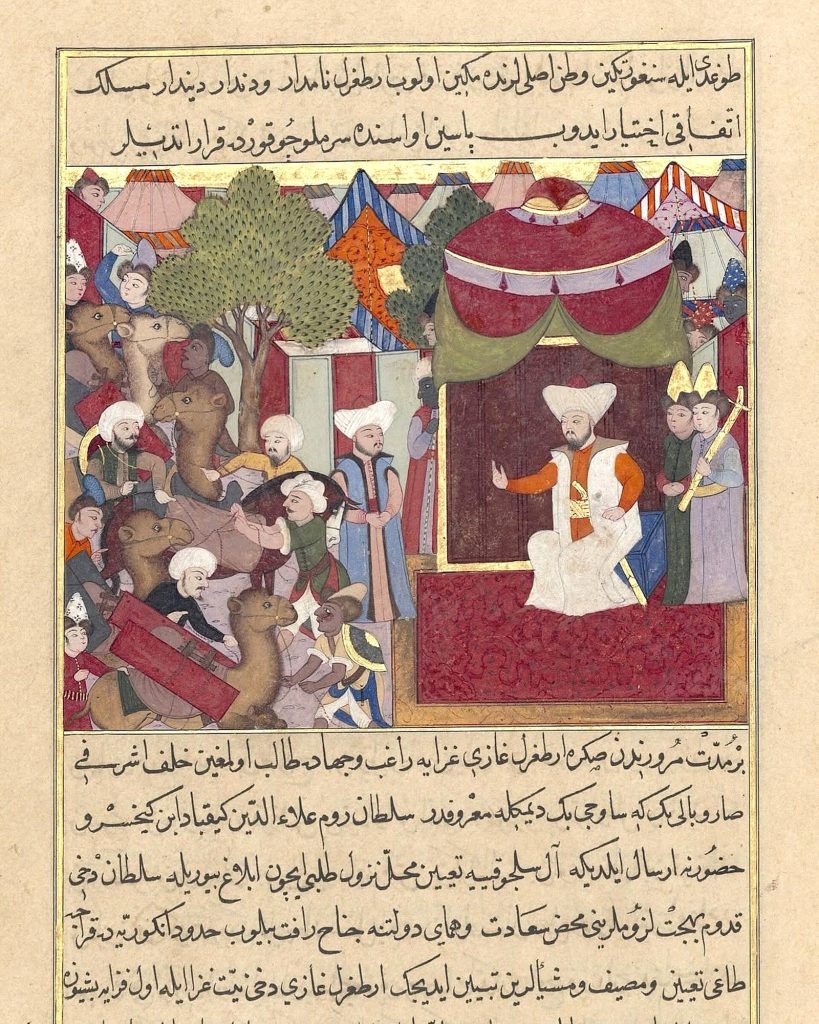
The scene everyone remembers is Osman’s dream. In the story, Osman sleeps at Edebali’s lodge and sees a moon rise from the sheikh’s chest and enter his own. A tree then grows from him, its branches covering the sky and its roots covering the world. Edebali reads it as a sign that God has given rule to Osman and his descendants, and he gives Osman his daughter in marriage.
It is a beautiful piece of storytelling. It is also a late one. Scholars generally agree that the dream took its familiar form in the later fifteenth century, well over a century after Osman’s death. The chronicler Aşıkpaşazade, who wrote in the 15th century, is among the early Ottoman writers who tell it. Colin Imber, in his 1987 article The Ottoman Dynastic Myth, argued that the marriage to a holy man’s daughter gave the dynasty a spiritual legitimacy.
That does not make the dream a lie. It makes it a statement of belief by later Ottomans about how their state began. Muslim readers will recognise the weight of dream interpretation in the tradition, and the chroniclers were writing inside that world.
What historians accept, and what they doubt
Cemal Kafadar, in Between Two Worlds, treats Edebali as a historical figure and accepts that Osman probably married his daughter. That is the solid core. The dream, the exact words of the interpretation and the sheikh’s role as grand strategist are later layers.
Here is how I would sort it:
- Likely history: Edebali existed, held religious authority near Osman’s territory, and was connected to Osman by marriage.
- Tradition: that he was Osman’s teacher and spiritual guide, as Turkish sources describe.
- Legend: the dream, and the idea that the sheikh foresaw an empire.
There is also a naming problem. The Bilecik page treats his daughter as Malhun Hatun, also called Rabia Bala Hatun. Other writers keep Bala and Malhun apart. Who exactly was the mother of Orhan, Osman’s successor, is therefore a point where sources disagree.
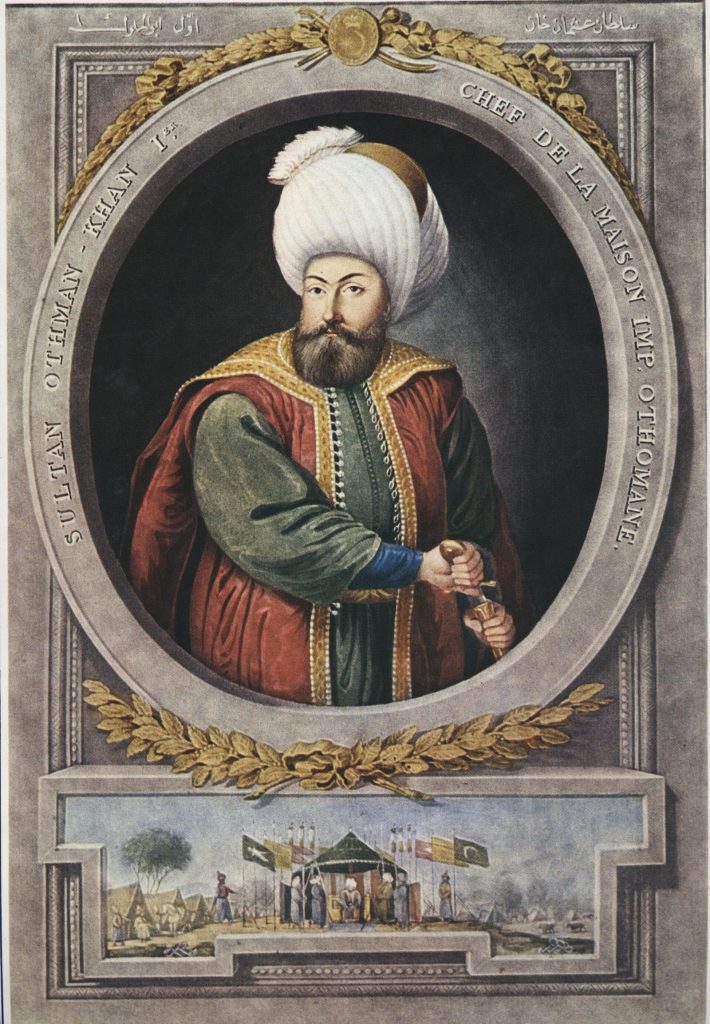
What the series does with him
Kuruluş: Osman, produced by Bozdağ Film and shown on ATV from November 2019 to June 2025, makes Edebali the moral centre of Osman’s circle. Bala Hatun is his daughter and Osman’s first wife. That fits the traditional account.
The writers have a hard job, because the real Edebali left almost no recorded words. Whatever he says on screen is written for the camera. Sermon-like speeches, private counsel before battles and his place in plot twists are drama, not chronicle. The series gives him far more screen presence than the sources give him a paper trail.
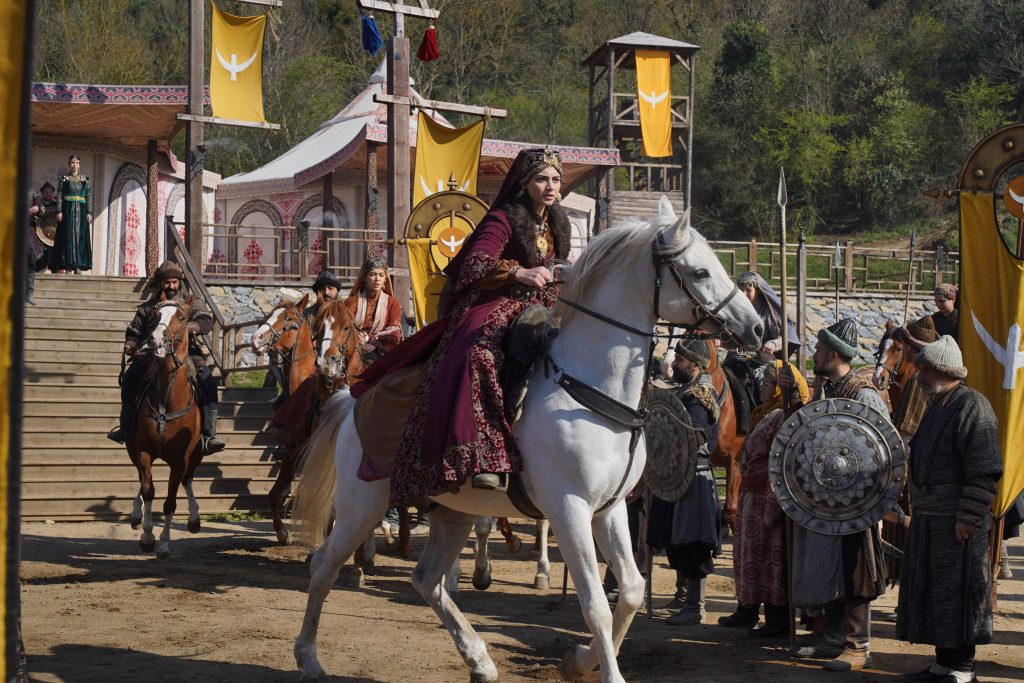
As a matter of craft, he works as a pause. After the noise of raids and betrayals, a scene in a quiet lodge slows the pace and lowers the music, and the viewer is meant to feel that something larger than a tribe is being decided. That is a fair way to dramatise a legend. Just remember it is dramatic shorthand for a founding myth, not a record of what was said.
Also note the second wife. In the series Malhun Hatun is a separate character, and Bala is Edebali’s daughter. Real sources are not as tidy. If you want the cleanest fact, it is that Osman’s marriage into Edebali’s family is widely accepted, while the names and the sequence of wives are less certain.
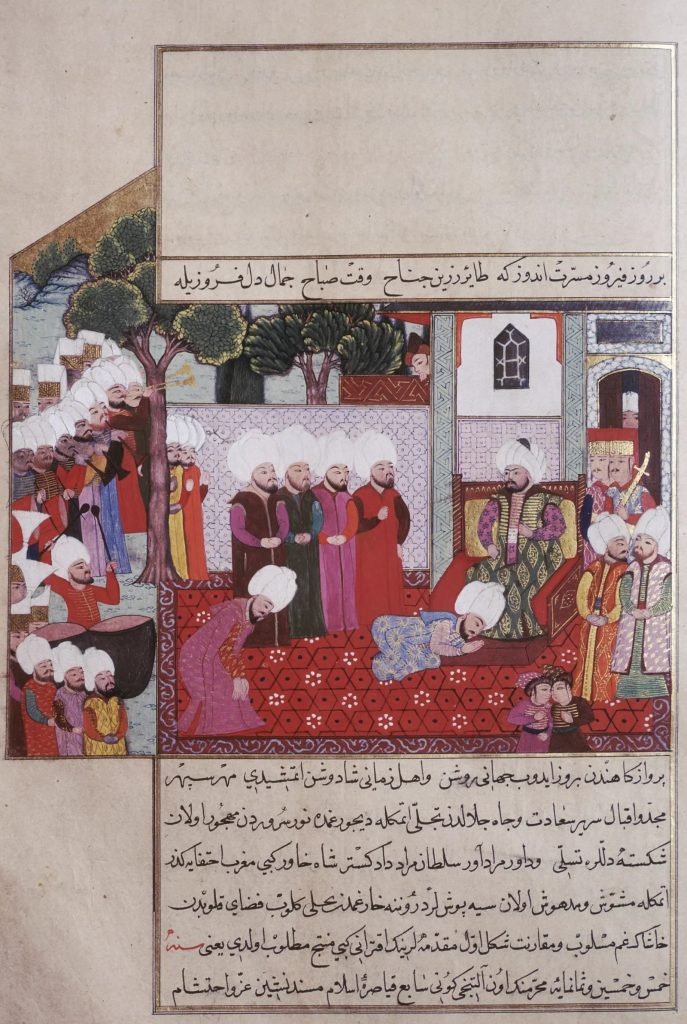
The verdict
Is the character accurate? Partly. The man is real, his rank as a pious scholar is credible, and the family tie to Osman is probably true. The prophetic dream and the all-knowing mentor are the later Ottoman story and the screenwriters’ addition.
That should not lessen respect for him. A scholar and Sufi whose tomb is still visited in Bilecik seven centuries later has earned his place. Just keep the lodge, the legend and the script in three separate boxes.
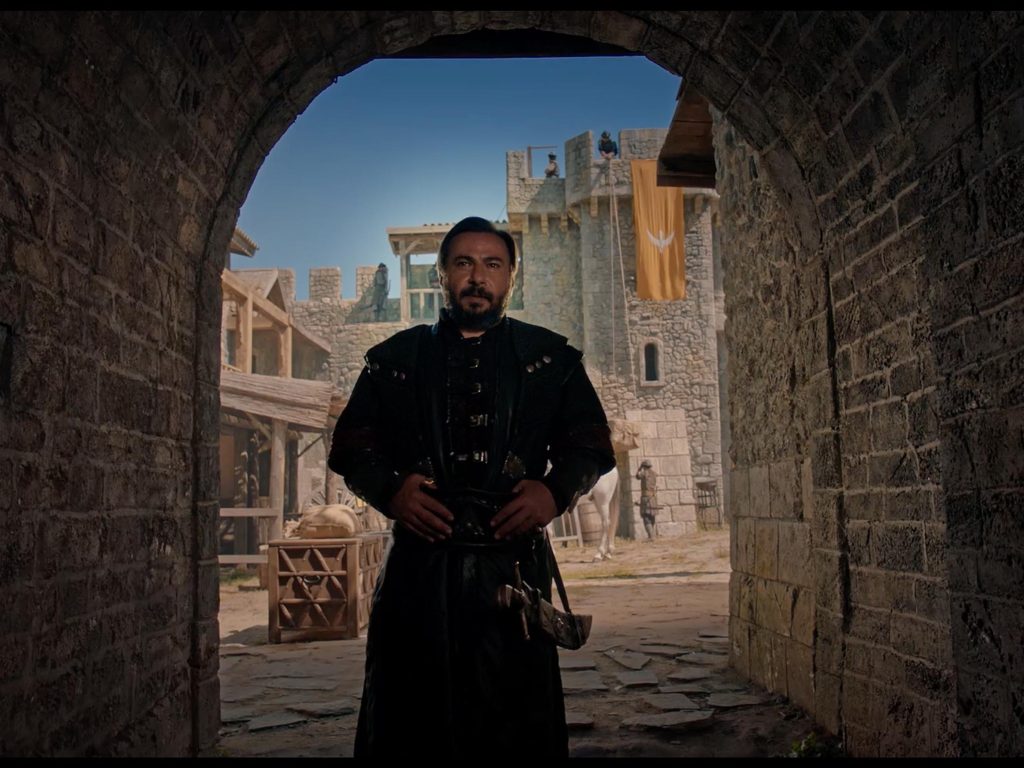
You can follow the character scene by scene and judge for yourself with every episode of Kuruluş: Osman with English subtitles. This article is part of our series Is it accurate?
Source: Bilecik Şeyh Edebali University: Who is Sheikh Edebali?, TDV İslâm Ansiklopedisi: Edebâlî, Posta: Kuruluş Osman’ın Şeyh Edebali’si, Colin Imber, The Ottoman Dynastic Myth, Turcica 19 (1987)
Featured image: Dosseman / CC BY-SA 4.0 / Wikimedia Commons