Turkic Warriors and Horses: The History Behind the Sacred Bond
A new study explores the ancient spiritual beliefs that united Turkic warriors and their horses in life and death.
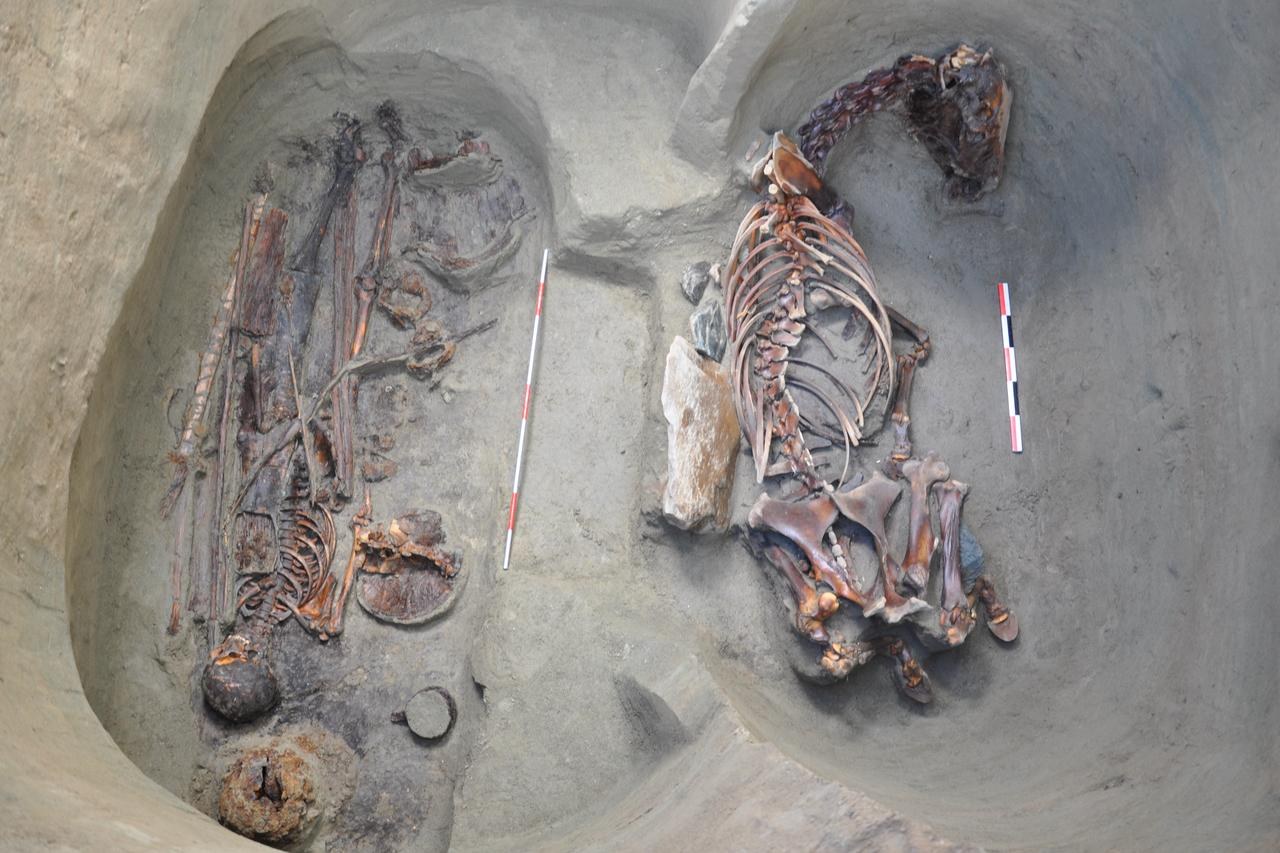
Viewers of Turkish historical dramas often notice the deep, almost spiritual connection between a character and their horse. Whether on the battlefields of Anatolia or the vast Asian steppes, the horse is portrayed as a loyal companion rather than a simple beast of burden. A recent academic study sheds light on the origins of this sacred bond between Turkic warriors and horses, revealing how ancient beliefs shaped a tradition that echoes through history.
Published in the Journal of Academic Language and Literature, the research by Associate Professor Ismail Senesen of Cukurova University explores the symbolic role of horses in early Turkic societies. By examining archaeological discoveries, mythology, and historical accounts, the study explains why these animals were central to both life and the afterlife.
Companions in the Afterlife
In ancient Turkic communities, a horse was considered a sacred being capable of crossing the boundaries between the human world, the heavens, and the underworld. This belief was so strong that warriors were frequently buried alongside their horses. Archaeological excavations at the Pazyryk and Berel burial mounds, known as kurgans, have uncovered horses interred with elaborate harnesses and decorative masks.
These burials were not merely displays of wealth. The practice reflected a deep-seated belief that the horse would continue to serve and protect its owner in the afterlife. The richness of the horse’s equipment and the number of animals buried often indicated the social standing and political authority of the deceased warrior.
Spiritual Realms and Shamanic Journeys
The study highlights how horses were woven into the very fabric of Turkic mythology. Creation myths spoke of extraordinary horses emerging from the sky, water, and earth. The winged horse Tulpar, a famous figure in Turkic epics, embodied divine power and supernatural speed.
Color also played a vital role in these ancient rituals. White horses were associated with the heavens and divine favor, making them essential for ceremonies dedicated to the Sky God. Gray horses were linked to benevolent spirits, while black horses were associated with the underworld. These practices formed a complex belief system that connected daily survival on the steppes with the perceived structure of the universe.
From the Steppe to Islamic Anatolia
As Turkic societies gradually adopted Islam, these ancient horse-related beliefs did not vanish. Instead, they were reinterpreted within new religious and cultural frameworks. The famous Book of Dede Korkut, a collection of heroic Turkic tales, preserves the image of the horse as a symbol of honor and an exceptional companion.
This enduring cultural memory is exactly what modern audiences witness in popular television productions. The reverence for horses shown in Kuruluş Osman episodes and Diriliş Ertuğrul episodes is rooted in centuries of genuine historical tradition. From ancient burial mounds in the Altai Mountains to the dramatized founding of the Ottoman Empire, the horse remains a powerful symbol of Turkic identity and resilience.
Source: Türkiye Today
Featured image: Türkiye Today