Tokat’s Sık Dişini Helası: A 15th-Century Toilet Museum
A 15th-century Tokat public toilet now teaches visitors about historic water use.
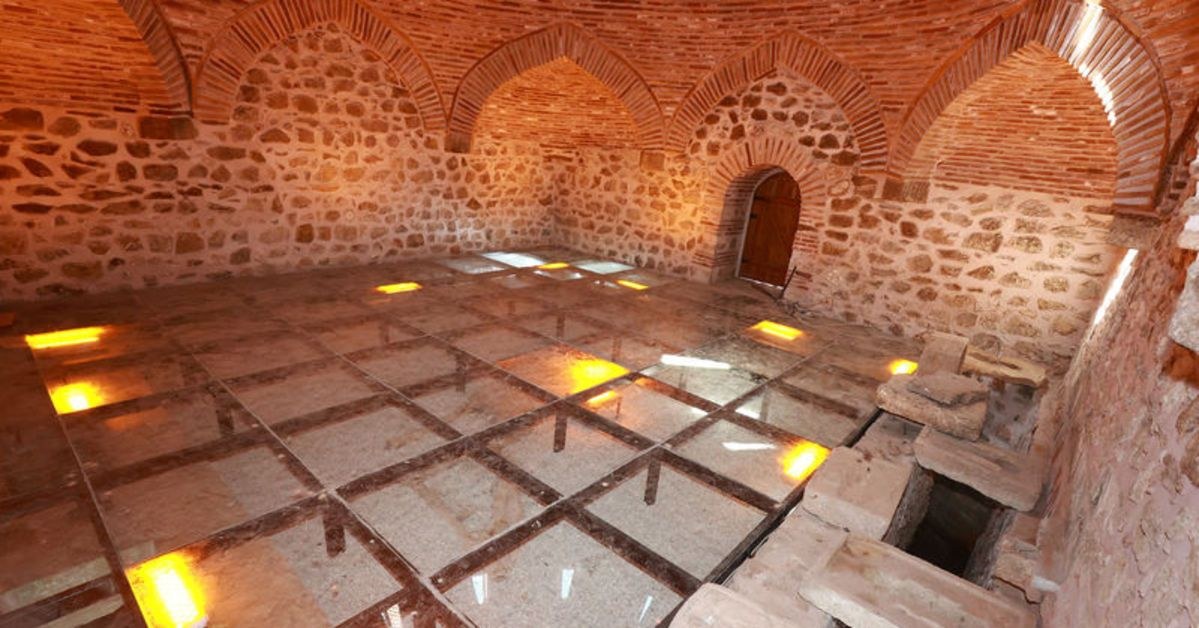
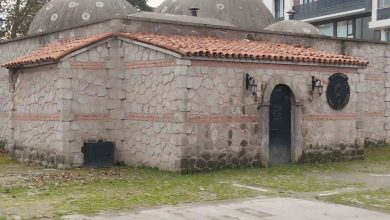
A 15th-century public latrine in Tokat’s Sulusokak district now works as a museum about water and hygiene. Known as Sık Dişini Helası, the building served the public until the early 2000s. Today it shows visitors how a historic Anatolian town used clean water and removed waste water.
The story drew fresh attention on 19 November, which is World Toilet Day. Visitors quoted by the Turkish press said that the date was news to them, and that the museum made them think about an everyday part of the past.
What Sık Dişini Helası Is
“Hela” is an old Turkish word for a toilet. The building’s name, Sık Dişini Helası, can be loosely read as “the latrine of clenched teeth”. The source does not explain the name, so we will not guess at its origin.
According to the report, the structure dates to the 15th century. It was built as a stand-alone public toilet. The Tokat Municipality kept it open as a free facility until the early 2000s, so it served townspeople for centuries.
The building has stone walls, brick arches and a dome. Visitors walk through the old toilet sections and learn how clean water was used and how waste water was carried away.
What Visitors See Inside the Museum
The displays focus on daily life. Objects include a bath bowl (hamam tası), a water jug (ibrik) and a razor. There are also examples of stone toilets and an old barber’s chair.
Together, these items link personal care to the wider habits of the town. They show that cleanliness was part of public routine, not only a private matter.
Why Its Stand-Alone Design Matters
Mesut Güneş is an art historian and the Tokat Municipality’s museums coordinator. He says the building’s key feature is that it was built as a separate public toilet. In Turkish-Islamic architecture, toilets also appeared in mosque courtyards, madrasas (religious schools) and inns (hans). Güneş describes Sık Dişini Helası as a monumental, independent structure.
That distinction helps readers see how services were organised in an Anatolian town. Most toilets belonged to a larger complex, while this one stood on its own for general use.
Visitor İsmail Zengin said the information on clean water and waste water interested him most. He added that he learned how old toilet culture and etiquette (adab) really are. Another visitor, Mustafa Berat Ergin, said he learned about World Toilet Day through the museum.
For readers interested in Ottoman and Seljuk-era daily life, the site offers a practical view of history. It shows that heritage includes the everyday systems that kept towns clean, not only mosques and palaces.
Source: SonDakika
Featured image: Habertürk