Suleymaniye Complex in Damascus Nears Reopening After Restoration
Restoration of Mimar Sinan's 16th-century Damascus complex is reported more than 95% complete.
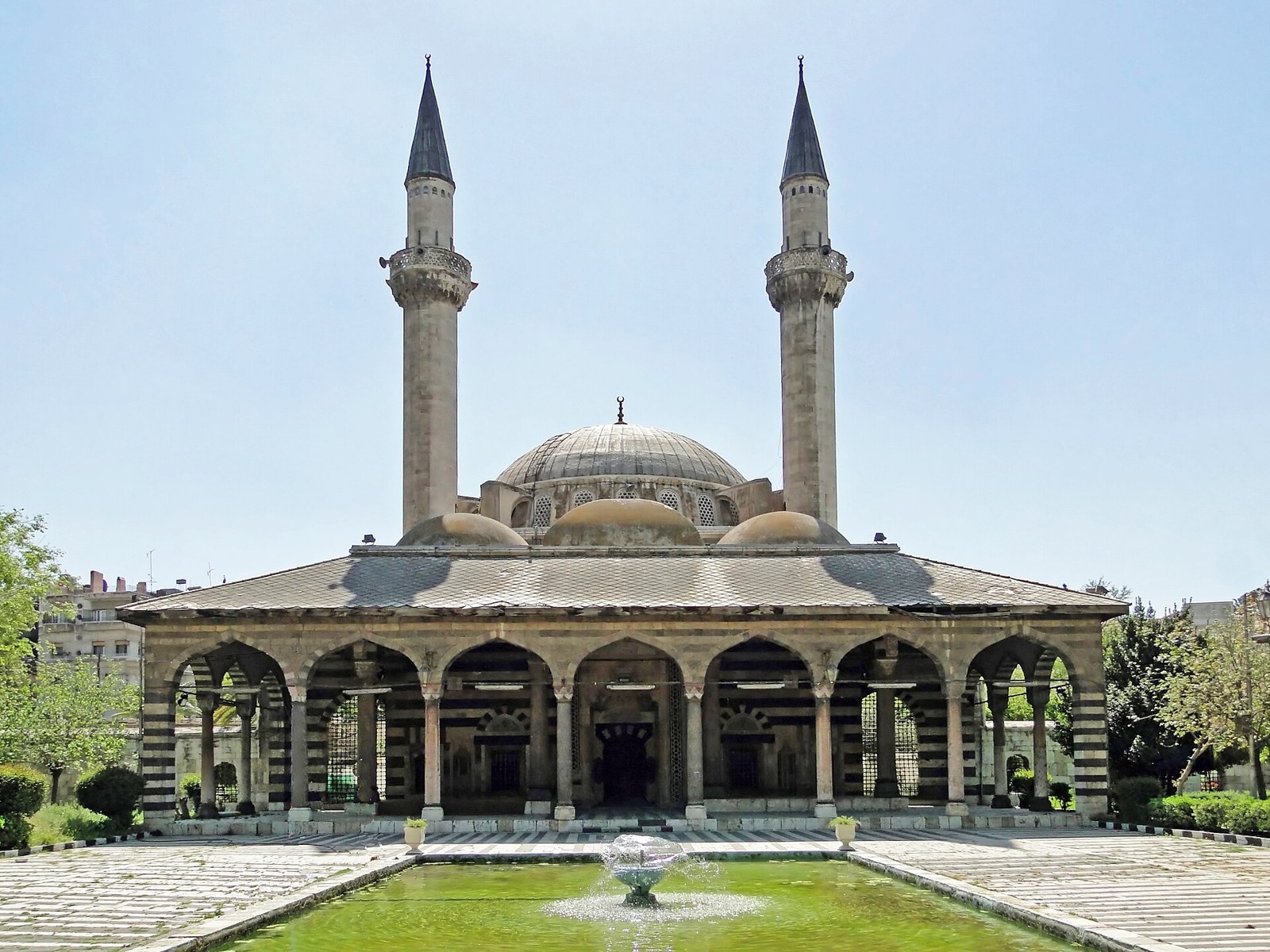
The Suleymaniye Complex in Damascus is moving toward reopening as a visitor site. According to Türkiye Today, restoration of the 16th-century Ottoman landmark is now more than 95% complete. The building, also called the Suleymaniye Takiyya, is one of the best-known Ottoman monuments in the Syrian capital.
The report, published on 13 October 2026, says preparations are under way to welcome visitors back. It gives no opening date, and none has been confirmed.
Who is restoring the Suleymaniye Complex
The Syria Development Foundation is carrying out the work. It is coordinating with Syria’s ministries of culture, tourism and religious endowments, along with the Damascus Governorate.
Türkiye Today describes the project as being in its final stages. The report does not list the remaining tasks.
A mosque, a pilgrim stop and a charity in one
Sultan Suleiman I, known as Suleiman the Magnificent, commissioned the complex. The Ottoman architect Mimar Sinan designed it, and it was built between 1554 and 1559. It stands beside the Barada River, just west of the Old City.
The site lay on a major pilgrimage route linking Ottoman lands with Mecca. Travelers could stop there before crossing the desert.
The complex combined several functions:
- a mosque
- lodging for travelers
- caravanserais (roadside inns for caravans)
- a public soup kitchen
- a madrasa (an Islamic school)
- a bazaar
Pilgrims could stay there and receive free meals. This mix of worship, education and charity was typical of large Ottoman foundations, known as külliye complexes.
Layers of history on the Barada
The complex was built over the former site of a palace linked to the 13th-century Mamluk Sultan Baybars. It grew in stages. The first structures were finished in 1559, and the madrasa followed in 1566. A lodge tied to Islamic religious life was added later in the 16th century.
That staged growth shows how Ottoman builders kept expanding a site as its role developed. Mimar Sinan is best known for his work in Istanbul and Edirne, so a Damascus project by his hand is a useful reminder of how far Ottoman architecture reached.
For viewers of Turkish historical dramas, the site shows the Ottoman state’s practical side. Its rulers funded roads, shelters and kitchens as well as mosques, and these served ordinary travelers. Television series dramatize palace life, but buildings like this are lasting evidence of how the empire cared for its subjects and its pilgrim routes.
Türkiye Today says the reopening is the next step. Readers should wait for an official announcement of the date and visiting arrangements.
Source: Türkiye Today
Featured image: Bernard Gagnon / Wikimedia Commons, CC BY-SA 3.0