Tokat Needle Lace Wins Official Protection to Save 39 Historical Motifs
The Turkish Patent and Trademark Office has officially registered 39 unique motifs to protect the region's traditional craft.
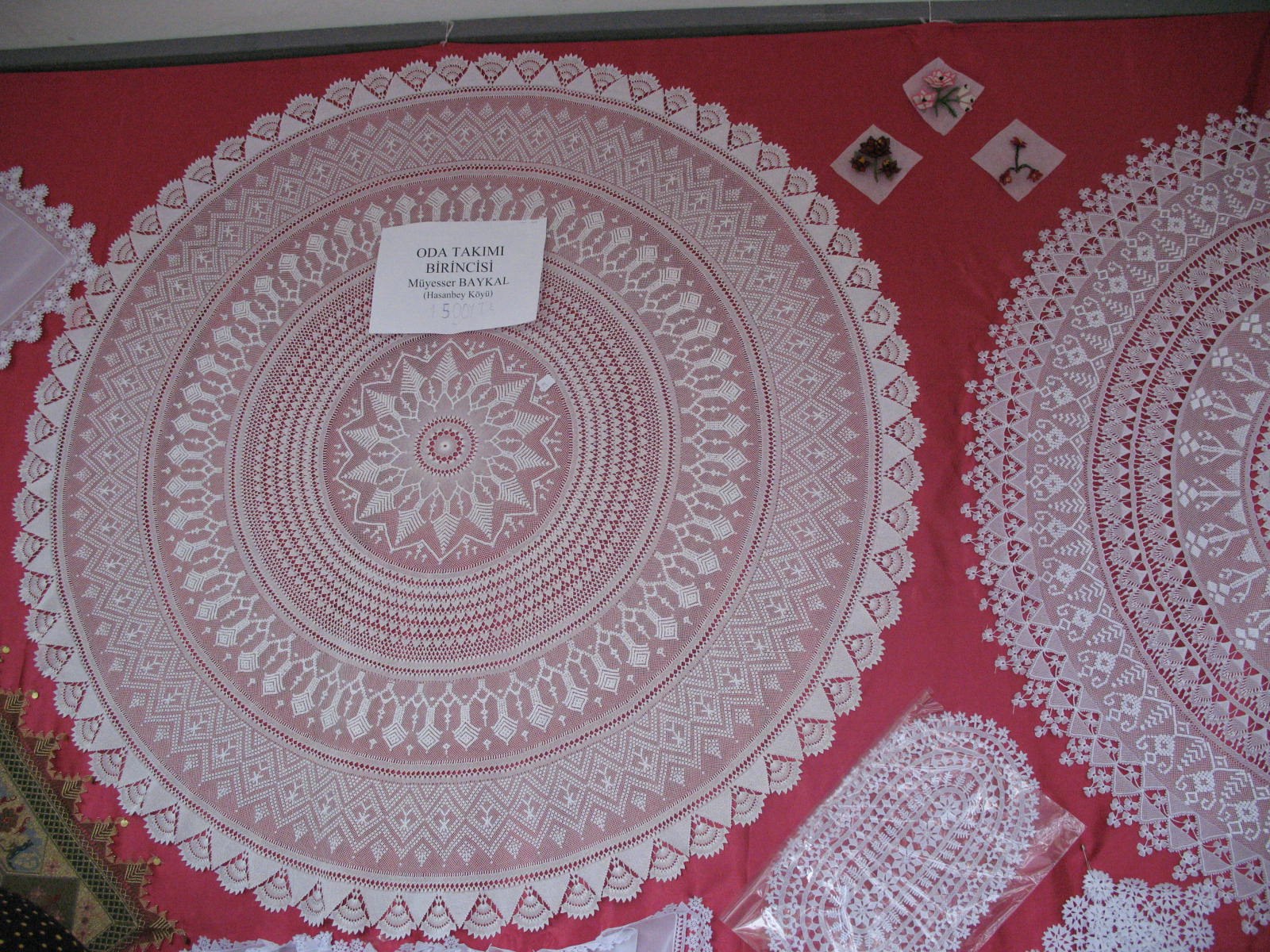
For centuries, Anatolian women used a needle and thread to speak when words failed them. Now, 39 historical needle lace motifs from Tokat have won official geographical protection to keep that silent language alive.
The Turkish Patent and Trademark Office granted the registration on October 26, 2026. The Tokat Maturation Institute led the two-year effort to secure the status. They wanted to ensure these specific designs survive the modern era. The application first went in during March 2024. After careful review, the state officially recognized the unique heritage of the region.
The Secret of the Tight Knot
Needle lace, known locally as iğne oyası, requires immense patience. Enes Güler, the deputy director of the institute, explained what makes the Tokat style different from other cities. The women use a tight knot technique. This forces the thread into two-dimensional and three-dimensional shapes.
This method gives the lace a rigid, durable form without losing its delicate look. For fans watching the elaborate costumes in Kuruluş Osman episodes with English subtitles, these are the exact historical crafts that inspire the wardrobe departments. The motifs carry the emotions, daily struggles, and cultural memory of the women who tied them. Güler noted that the new status will help turn this cultural memory into a real economic asset for local artisans.
A 35-Year-Old Dowry
The registration protects the craft on paper. But for the locals, the value remains deeply personal. It is a family tie. Süreyya Uygun, a resident of Tokat, still uses the needle lace she received decades ago.
She keeps pieces from her 35-year-old dowry in her home today. Every young woman in Tokat traditionally had these delicate works in her closet. They were passed down from mothers to daughters. The new geographical indication ensures the next generation will know exactly where those patterns came from.
Source: SonDakika
Featured image: ismail soytekınoglu / Wikimedia Commons, CC BY-SA 3.0